What Is an Oil Seal and Why It Matters

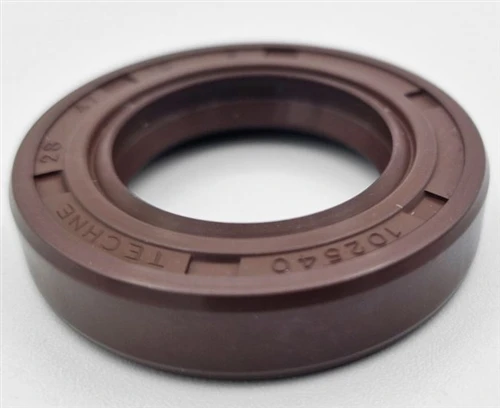
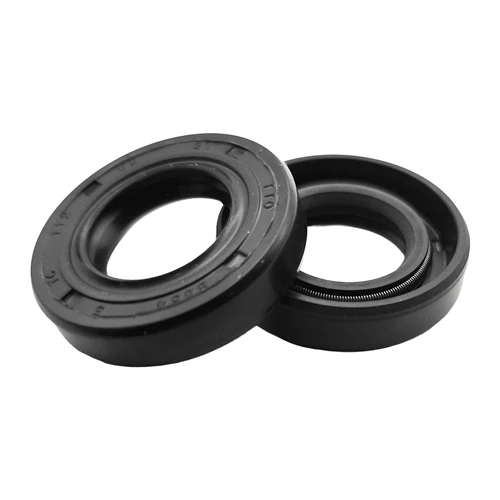
Walk into any repair shop or production line, and you will spot small ring‑shaped parts tucked between rotating shafts and stationary housings. These are oil seals, often taken for granted but central to keeping machinery alive. At its heart, an oil seal is a device that closes the gap between two elements, usually a rotating shaft and a bore, to retain lubricant and bar contaminants. The most familiar configuration involves a flexible lip riding on a shaft, which is why the term oil lip seal gets used routinely by maintenance crews. A standard oil seal needs to handle temperature swings, chemical attack, and mechanical wear without faltering.
From automotive gearboxes to hydraulic pumps, the dependability of an oil seal decides whether a system runs quietly or ends up with a seized bearing. What surprises many newcomers is how an oil seal design that costs a few cents can prevent thousands of dollars in damage. That reliability hinges on material choice, geometry, and understanding the working environment. A rubber shaft seal is often the default choice for general‑purpose roles because it is forgiving during installation and runs smoothly on average shaft finishes. Yet the world of oil seals is far broader, embracing everything from heavy‑duty metal designs to specialized lip materials.
Key Components of a Modern Oil Seal
An oil seal may look simple, but its anatomy is the result of decades of incremental refinement. The sealing lip stands out as the primary functional element, typically made of an elastomer that flexes just enough to follow shaft imperfections while maintaining contact. Behind the lip sits a metallic case, often produced as one of the many metal cased oil seals preferred in industrial gearboxes. This outer shell provides rigidity, guarantees a tight press fit into the housing bore, and shields the seal from external mechanical abuse. Between the case and the lip, many designs incorporate a garter spring that supplies a controlled radial load, compensating for lip wear over time. In some light‑duty instances, the oil seal omits the spring entirely, relying solely on the lip's natural memory to hold shape. The area where the lip meets the shaft is exceptionally thin, measured in micrometers, which forms a wedge of lubricant that both cools and seals. A correct interference fit of the lip against the shaft is what differentiates a perfectly functioning oil seal from one that hardens prematurely or burns a groove into the steel.

Material Selection in Oil Seal Production

Choosing the right compound for an oil seal is rarely a one‑size‑fits‑all decision. Nitrile rubber, with its balanced oil resistance and cost effectiveness, remains the workhorse of the industry, but whenever temperatures spike above 120°C or aggressive synthetic lubricants come into play, technicians start looking at polyacrylate, silicone, or fluoroelastomer lips. A rubber shaft seal based on FKM compounds handles high heat and chemical attack better, though it comes at a premium. In food‑processing equipment, the oil seal lip may need to be white EPDM or even PTFE‑clad to meet hygiene standards and resist cleaning chemicals. The metal case, too, varies: stainless steel or coated mild steel is chosen depending on corrosion risks. Assemblers have learned that an oil seal specified without checking additive compatibility can soften, swell, and fail within weeks. It is also worth noting that a cheap rubber shaft seal often ends up more expensive if it demands frequent replacement in a hard‑to‑reach location.
The Working Principle of a Radial Oil Seal
A radial oil seal does not just block fluid like a cork; it actively manages the fluid film beneath its lip. When the shaft turns, hydrodynamic forces draw lubricant into the converging gap between the lip and the shaft, generating a pressure profile that actually helps the oil seal ride on a micron‑thin layer of oil. This effect, sometimes described as the pumping action of an oil lip seal, pushes stray fluid back toward the oil side. Even a microscopic scratch on the shaft can disrupt that film, causing the oil seal to run dry and tear. In the field, mechanics notice that an oil seal installed backward almost immediately fails because the pumping direction reverses. The dynamic balancing act performed by a healthy oil seal is invisible to the naked eye but can be observed through power loss tests and leakage measurements. A lip riding too heavily generates heat and wears quickly; too light a contact lets fluid seep past. Understanding this mechanism explains why surface finish specifications on shafts are so tightly controlled whenever a new oil seal is fitted.

Oil Seal Lip Design and Contact Pressure

Engineers spend a great deal of effort optimizing the geometry of the sealing lip because that tiny zone dictates the entire performance envelope. The lip is not a simple knife edge; it has a contact band that is deliberately shaped to distribute pressure. An oil lip seal designed for high shaft speeds might feature a shorter, more rigid lip with a precisely angled contact face to reduce heat buildup. Another variant incorporates a dust lip, a secondary light‑contact edge that blocks grit before it can reach the main oil seal lip. This dual‑lip arrangement is common in off‑road equipment where mud and sand are constant threats. Getting the contact pressure right involves balancing radial spring force, rubber modulus, and interference. Too much pressure and the oil seal burns; too little and it weeps. On large‑diameter shafts, maintaining uniform contact around the full circumference is especially challenging because of housing misalignments and thermal expansion. Nevertheless, a well‑matched oil seal holds contact even when the shaft oscillates axially, a property that proves vital in connecting rod and crankshaft positions.
Oil Seal Shock: Managing Vibration and Impact
Damping Characteristics of an Oil Lip Seal
Equipment that operates with sudden load reversals or high vibration exposes seals to a phenomenon that maintenance logs often call oil seal shock. An oil lip seal absorbs a portion of this energy through the viscoelastic nature of its elastomer lip. When a pressure spike hits, the lip flexes momentarily and then recovers its position, preventing a sudden burst of leakage. The radial spring and the metal case work together to stabilize the oil seal within the bore so that the lip does not leave the shaft surface. If an oil seal design lacks sufficient damping capacity, repeated oil seal shock causes fatigue cracks at the lip root, eventually leading to chunks of rubber breaking away. Choosing a compound with high rebound resilience helps, but equally important is making sure the oil seal sits square in the housing to spread impact loads evenly. Testing for oil seal shock resistance often involves cycling pressure pulses at frequencies mimicking a hydraulic piston pump, and the best designs survive millions of such cycles.

Installation Tips to Reduce Oil Seal Shock
Shock‑related failures commonly trace back to poor fitting. Driving an oil seal into the bore with a hammer and a drift that contacts the lip can create invisible damage that invites oil seal shock later. Instead, a clean press tool that pushes only on the outer metal case keeps the lip geometry intact. Using a thin coat of compatible grease on the shaft before sliding the oil seal on prevents initial dry running, which amplifies shock loads during startup. Some assemblers slip an oil seal washer behind the seal's outer face to fine‑tune the installed depth and distribute the insertion force more evenly. That small step can dramatically lower the risk of oil seal shock in high‑vibration assemblies such as flail mower gearboxes. Always inspect the shaft for burrs and corrosion before installation; a torn micro‑edge on the oil seal lip will trigger leakage from the very first rotation.
Understanding Oil Seal TCN Coatings
How TCN Improves Oil Seal Lifespan
A relatively recent innovation catching on in repair circles is the oil seal tcn treatment. TCN stands for a thin ceramic‑nanocomposite coating applied to the lip contact area of an oil seal. This layer reduces the coefficient of friction significantly, which means the oil seal generates less heat and consumes a fraction less power. Because the coating is chemically inert, an oil seal tcn variant resists attack from aggressive oil additives that would normally harden a plain rubber lip. Field reports from hydraulic motor rebuilds suggest that an oil seal tcn upgrade can double the interval between overhauls. The coating also acts as a micro‑barrier against abrasive particles, preventing them from embedding in the lip and scoring the shaft. While an oil seal tcn part costs more upfront, it often removes the need for a hardened shaft sleeve, so the total system expense can be lower.

Comparing TCN with Standard Oil Seal Materials
When placed side by side with conventional nitrile or even FKM oil seals, the oil seal tcn version shows markedly less wear under dry start conditions. In a test run where lubrication is momentarily lost, a standard oil seal begins smoking within seconds, whereas the oil seal tcn lip slides harmlessly until oil returns. This characteristic makes the oil seal tcn coating especially attractive for vertical shaft applications where gravity drains lubricant away from the lip. However, TCN is not a cure‑all; it requires a very smooth shaft finish to function correctly. Mechanics have found that if the shaft already has a wear groove, an oil seal tcn lip will not necessarily seal better than a well‑designed standard lip. Nonetheless, in clean, properly maintained systems, the oil seal tcn treatment offers a robust margin of safety.
The Function of an Oil Seal Washer in Assemblies
Static Sealing with an Oil Seal Washer

An oil seal washer differs from the dynamic lip seal; it is a flat, often metal‑and‑rubber bonded component that seals the stationary side of an assembly. Many heavy‑duty axle hubs use an oil seal washer under the lock nut to prevent fluid from creeping along threads and escaping past the outer face of the oil seal. In such a role, the oil seal washer acts like a gasket, compressing under torque to fill microscopic imperfections on the mating surfaces. If an oil seal washer is omitted or reused when it has already taken a set, a slow, persistent leak develops that can be misdiagnosed as an oil seal lip failure. Checking the flatness and rubber condition of an oil seal washer is just as important as inspecting the lip itself. Over‑torquing an oil seal washer can crush it, leading to metal‑to‑metal contact and loss of static seal.
Choosing the Right Oil Seal Washer Size
Selecting an oil seal washer calls for attention to inner diameter, outer diameter, and the thickness of its bonded rubber ring. A washer that is too thin will not compress enough to seal; one that is too thick may push the oil seal out of proper alignment with the shaft. In some engine accessory drives, an undersized oil seal washer permits oil to weep behind the timing cover, creating a leak that travels to an entirely different location and tricks even experienced mechanics. When the oil seal sees significant pressure pulses, an oil seal washer with a metal reinforcement layer prevents the rubber from extruding. Pairing the correct oil seal washer with the correct oil seal ensures that the entire sealing system, both static and dynamic, stays tight.
Oil Stem Seals in Engine Applications
Valve Guide Oil Stem Seals Function
Inside the cylinder head, small but vital parts known as oil stem seals control the amount of lubricant that slides down the valve stems into the combustion chamber. The oil stem seals snap onto the valve guide and lightly hug the moving valve stem, allowing just enough oil for smooth operation while preventing excessive consumption. Worn oil stem seals are among the most common culprits behind blue smoke on startup, because oil puddles on the valve head and burns off the moment the engine fires. High‑mileage engines almost always need a fresh set of oil stem seals during a top‑end rebuild. Upgraded oil stem seals made of fluoroelastomer withstand the elevated temperatures of turbocharged engines far better than ordinary nitrile versions.

Symptoms of Worn Oil Stem Seals
Diagnosing bad oil stem seals does not require a teardown; a visible puff of blue smoke after prolonged idling and a steady drop in oil level point straight to the valve seals. Because oil stem seals function under constant oscillation, they eventually lose their flexibility and allow oil to be drawn past during the intake stroke. Spark plug fouling, increased hydrocarbon emissions, and catalytic converter damage can all trace back to neglected oil stem seals. Replacing oil stem seals with the cylinder head still on the block is possible using compressed air or a rope trick to hold the valves in place, a common job in many service bays.
Plug Oil Seal Usage in Industrial Fittings
Typical Plug Oil Seal Configurations
Hydraulic manifolds and industrial valve blocks frequently rely on a plug oil seal to close off machining ports. A plug oil seal usually combines a metal threaded plug with an integral elastomeric sealing ring or a captured O‑ring that deforms against the seat. Unlike tapered pipe threads that rely on thread interference, a plug oil seal arrangement allows repeated assembly without the risk of galling. In high‑pressure circuits exceeding 350 bar, the plug oil seal must resist extrusion, so backup rings are often added. When a plug oil seal fails, the leak is frequently traced to a nicked O‑ring during installation or to the wrong durometer seal being selected for the fluid temperature.

Preventing Leakage with a Plug Oil Seal
Getting a reliable joint starts with cleaning the port threads and seat until they are free of old sealant and debris. The plug oil seal should be lubricated with system fluid before tightening to avoid rolling or pinching the elastomer. Torque values for a plug oil seal are lower than many technicians assume; over‑tightening can crack the manifold or deform the plug body, ruining the sealing ability. A common field fix for a persistent plug oil seal drip is to switch from a flat‑face seal to a plug oil seal design with an elastomeric cone that centers itself. Vibration checks are also important because a loose plug oil seal can back out over time, leading to a sudden loss of oil and system failure.
Steering Oil Seal Dynamics in Vehicles
Rack and Pinion Steering Oil Seal Needs

Power steering racks endure constant pressure reversals, and the steering oil seal at each end of the rack housing must contain fluid while allowing smooth linear motion. A torn steering oil seal will produce an external leak that first appears as a wet boot. Because the steering oil seal is exposed to road grit and moisture, it often incorporates a secondary dust lip that shields the primary lip. The hydraulic pulses generated during rapid steering maneuvers test the fatigue resistance of the steering oil seal repeatedly. Replacement steering oil seal kits typically include a new oil seal washer for the pinion housing cover, because that static seal is critical to maintaining system pressure.
Replacing a Steering Oil Seal Correctly
When a steering oil seal needs to be replaced, marking the rack teeth orientation and counting turns ensures the new steering oil seal goes in without disturbing toe settings. The housing bore must be spotless; even a tiny scratch can become a leak path. Lubricating the steering oil seal lip with the specified power steering fluid eases the rack shaft through without folding the lip. Once the new steering oil seal is seated, it is wise to cycle the steering lock‑to‑lock before starting the engine to purge trapped air. Neglecting the pinion oil seal washer during the job is a frequent oversight that leads to a return visit.
Wheel Hub Oil Seal Performance Factors
Grease Retention and Wheel Hub Oil Seal Life
On commercial trucks and trailers, the wheel hub oil seal faces one of the harshest environments. This wheel hub oil seal must keep semi‑fluid grease or oil inside the hub while blocking water, dust, and brake debris. An effective wheel hub oil seal usually has a multi‑lip design: an inner lip points inward to retain lubricant, and outer lips deflect contaminants. The life of a wheel hub oil seal can be cut short by improper bearing adjustment; excessive end play hammers the seal, while excessive preload generates heat that hardens the lip. Using the correct installation tool to press the wheel hub oil seal squarely into the hub bore is non‑negotiable.

Wheel Hub Oil Seal Failure Modes
When a wheel hub oil seal starts leaking, the telltale sign is an oily residue radiating from the hub cap or brake drum. Overheating is a primary killer; a wheel hub oil seal exposed to brake heat above 150°C may look perfect externally but have a brittle lip that no longer follows the shaft. Abrasive contamination works like a lapping compound, gradually wearing a groove into both the lip and the spindle. A damaged spindle surface can be corrected with a wear sleeve, which effectively provides a fresh surface for the wheel hub oil seal. Many fleets have adopted conditioned‑based replacement of the wheel hub oil seal during every brake service to prevent roadside failures.
Rubber Shaft Seal vs Metal Cased Oil Seals
When to Choose a Rubber Shaft Seal

A rubber shaft seal, usually with a bonded rubber outer diameter, excels in aluminum or plastic housings where a metal‑cased seal might cause galling or require an unacceptably tight press fit. Because the rubber shaft seal conforms to minor housing imperfections, it offers a forgiving installation, which is why so many small engines and power tools use this design. A rubber shaft seal also dampens vibration better than a rigid metal case, making it suitable for applications that experience frequent start‑stop cycles. However, a rubber shaft seal cannot handle the same high pressures or temperatures as many metal cased oil seals, so its use is generally limited to moderate conditions.
Advantages of Metal Cased Oil Seals in Heavy Machinery
Where the environment turns punishing, metal cased oil seals become the default specification. Their rigid steel shell maintains bore contact under extreme pressures and resists creep even if the housing expands due to heat. Large earthmoving equipment, mining conveyors, and marine propeller shafts all lean on metal cased oil seals for reliability. A further benefit of metal cased oil seals is that they can be coated with anti‑corrosion layers, allowing them to function in salt‑water spray without rusting. Installation of metal cased oil seals demands care to avoid distorting the shell, but once in place, they offer a solid, long‑lasting barrier.

Extending Service Life of an Oil Seal

Getting the most out of any oil seal starts long before the component is unwrapped. Surface finish of the shaft, housing alignment, and cleanliness at assembly directly influence whether the oil seal reaches its design life. Where vibration cannot be eliminated, selecting a profile that resists oil seal shock prevents catastrophic lip fatigue. Coatings such as the oil seal tcn treatment have proven their worth in extending maintenance intervals, and pairing them with a properly sized oil seal washer eliminates the static leak points that are often overlooked. In the engine bay, timely replacement of oil stem seals stops oil from fouling catalysts, while in the hydraulic system a snug plug oil seal keeps circuits tight. When racks groan or leak, a fresh steering oil seal paired with a new pinion oil seal washer restores dry steering, and a well‑greased wheel hub oil seal keeps the road grit out of expensive bearings. Whether the choice is a rubber shaft seal for a lawnmower or a set of metal cased oil seals for a steel‑mill roller, the principle holds: respect the installation procedure, match materials to the fluid and heat, and the oil seal will quietly do its job for years. A functioning oil lip seal remains one of the simplest, most cost‑effective barriers between a machine's inner workings and the outside world.