Behind every rotating shaft, every rolling wheel, and every pressurized hydraulic ram, a silent sentinel works ceaselessly to keep lubrication in and contamination out. That sentinel is the oil seal - a precision component far more sophisticated than its simple ring-like appearance suggests. In industries ranging from heavy trucking and mining to food processing and renewable energy, the reliability of an entire machine often hangs on a correctly chosen and properly installed oil seal. This guide unpacks the technology, selection criteria, and field wisdom that separate a durable seal from a roadside failure.
Decoding the Anatomy of an Oil Seal
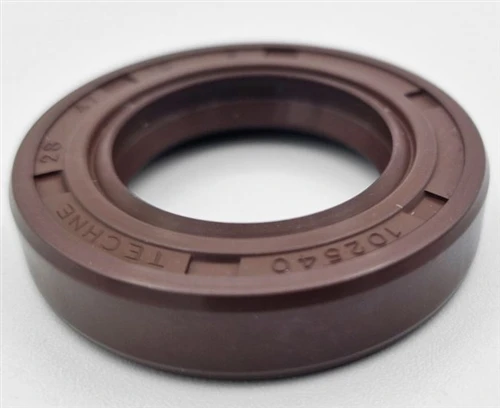
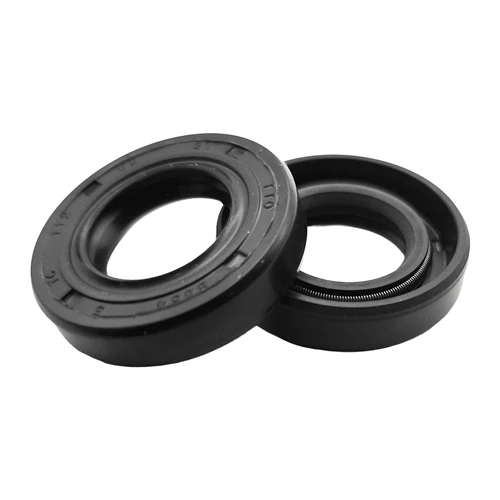
An oil seal is not merely a rubber ring; it is an engineered assembly of multiple elements working in harmony. The outer casing, typically made of steel or in some cases elastomer-coated metal, provides a rigid press-fit into the housing bore. The sealing element is a precision-formed lip that rides on the rotating shaft, creating a thin hydrodynamic film of lubricant. A garter spring nested behind the lip supplies the radial tension needed to maintain contact as the lip wears and as the shaft oscillates. The primary lip does the heavy lifting, while a secondary dust lip often shields it from airborne particles, forming a first line of defense. This combination of metal, elastomer, and spring converts raw materials into an oil seal capable of functioning reliably for thousands of hours in punishing conditions.

The Science Behind the Oil Seal Lip and Spring
The contact zone where the seal lip meets the shaft is only a few microns wide - a band narrower than a human hair - yet it must hold back hot oil under pressure while accommodating shaft runout and vibration. The seal's elastomer formulation directly determines its ability to follow shaft eccentricity. A highly flexible compound can conform to slight misalignments, whereas a stiffer material may develop a permanent groove and leak. The garter spring functions as a compensating mechanism, applying a precisely calculated radial load that adjusts as the lip material relaxes over time. In an oil seal designed for high peripheral speeds, the spring tension is carefully reduced to limit frictional heat without sacrificing the pumping action needed to return any escaping oil droplets back to the sump.
Spring-Loaded Lip Mechanics

The interplay between the spring and the elastomer lip creates a self-adjusting contact force that is one of the unsung marvels in tribology. When a shaft rotates eccentrically, the lip deflects and the spring stretches slightly, maintaining a near-constant sealing line. This adaptability allows a single oil seal design to cope with shaft tolerances that might otherwise demand a costly ground finish. Maintenance engineers often note that an oil seal with an intact, correctly tensioned spring can survive temporary dry starts that would instantly destroy a hardened or un-sprung lip.
The Pumping Effect of Spiral Grooves
Modern oil seal technology frequently incorporates unidirectional or bidirectional spiral grooves molded onto the shaft contact surface. During rotation, these grooves act as a micro-pump, pushing lubricant away from the atmosphere side and back toward the oil side. The pumping effect is so effective that even a slight reversal can lead to immediate leakage, which is why directional oil seal variants must be installed according to the indicated rotation arrow. For equipment subject to frequent reversing, symmetric or bidirectional groove patterns provide a balanced solution, preventing oil loss in either direction.
Material Chemistry in Oil Seal Engineering
The choice of elastomer transforms an oil seal from a generic part into an application-specific component. Nitrile butadiene rubber remains the workhorse for general-purpose oil seal applications, offering excellent resistance to mineral oils and a service temperature range that satisfies most automotive and industrial conditions. When temperatures climb beyond nitrile's comfort zone, polyacrylate and fluorocarbon compounds step in, handling aggressive synthetic lubricants and operating environments where a standard oil seal would harden and crack. For cold-weather hydraulic systems, silicone-based oil seal materials maintain flexibility when conventional compounds turn brittle. Each material decision balances swell, compression set, and abrasion resistance against cost and processing complexity.

Core Oil Seal Types: Rubber Shaft Seal and Oil Lip Seal
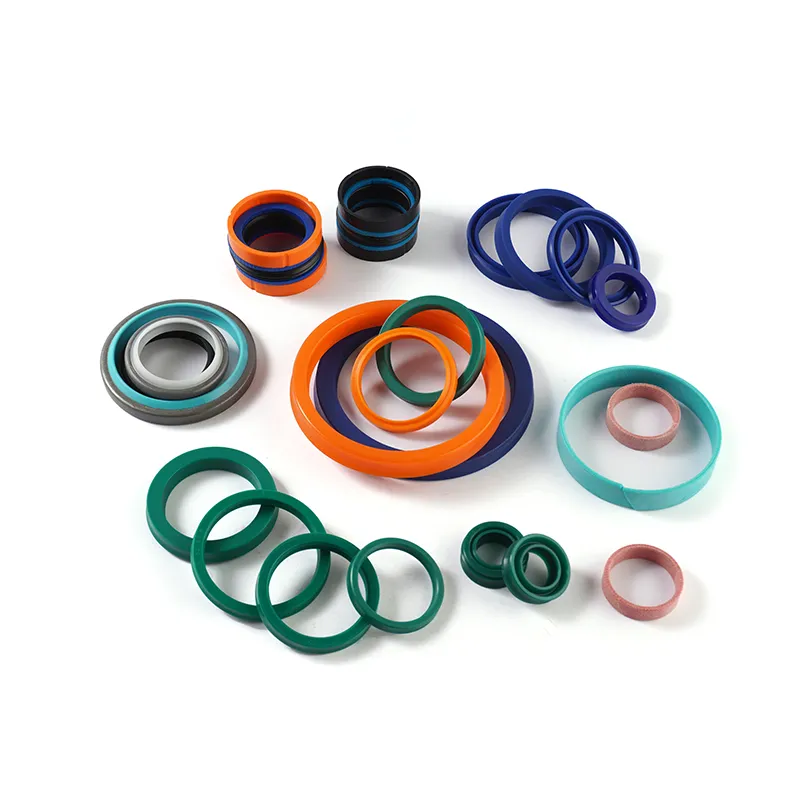
The terms rubber shaft seal and oil lip seal are often used interchangeably in workshop manuals, yet they highlight different facets of the same technology. A rubber shaft seal emphasizes the sealing element's flexible nature, typically a molded elastomer bonded to a steel case. An oil lip seal, on the other hand, draws attention to the critical lip geometry that generates the dynamic sealing interface. In practice, every rubber shaft seal functions as an oil lip seal once it starts rotating on a shaft. The distinction matters when specifying replacement parts: understanding whether the failure mode was rubber hardening or lip wear guides the selection of a more suitable material or lip design. A high-mileage truck oil seal, for instance, may be specified as a premium rubber shaft seal with an enhanced oil lip seal profile that provides a wider contact band and better heat dissipation.
Defining the Rubber Shaft Seal

A classic rubber shaft seal features a fully enveloped elastomer outer surface that not only seals the housing bore but also compensates for minor housing imperfections. This type of oil seal is forgiving during installation, as the rubber coating can absorb slight misalignments that would crack a metal-cased version. Workshops that handle frequent axle rebuilds often stock rubber shaft seal variants simply because they reduce the risk of bore damage and subsequent leaks. However, in applications where high static pressure exists, the rubber shaft seal must be equipped with a metal reinforcement ring to prevent the entire seal from being pushed out of the bore.
When an Oil Lip Seal Excels
The oil lip seal design shines in high-speed rotating shafts where the formation of a stable hydrodynamic film is essential. Its primary lip angle, contact width, and spring groove geometry are optimized through decades of empirical testing to minimize friction while maximizing the reverse-pumping capability. Engineers select an oil lip seal with a shallow lip angle for clean lubricants, whereas a steeper angle may be needed for greasy or heavily contaminated sumps. The oil lip seal concept also extends to cassette-style designs, where multiple lips are integrated into a single unified cartridge.

Metal Cased Oil Seals and Structural Integrity
When installation forces are high or the housing material is subject to thermal expansion, metal cased oil seals provide a rigid alternative to all-rubber designs. The drawn steel or stainless steel case delivers a predictable interference fit and resists softening at elevated temperatures. In heavily loaded axle assemblies, metal cased oil seals maintain their concentricity even when the surrounding casting deflects. A properly installed metal cased oil seal can be driven into a precision bore without the distortion that occasionally plagues softer casings. This quality makes metal cased oil seals the standard choice for differential pinions, transmission output shafts, and heavy industrial gearboxes where a housing joint is subjected to structural stress.

Bonding Rubber to Metal
The integrity of a metal cased oil seal depends critically on the adhesive bond between the elastomer lip and the steel shell. During manufacturing, the metal is typically treated with a chemical primer before the rubber is compression-molded and cured in place. Any contamination on the metal surface - rust, oil film, or oxide layer - can create a weak bond that eventually allows oil to wick underneath the lip and bypass the oil seal entirely. Quality-oriented suppliers test this bond through destructive peel tests, ensuring that each batch of metal cased oil seals meets the required adhesion strength. Field technicians occasionally mistake a bond failure for a worn lip, replacing the oil seal only to have the leak return because the root cause was undetected delamination.
Handling Thermal Expansion

As equipment heats up, both the shaft and the housing expand, changing the interference fit of the oil seal. A well-designed metal cased oil seal incorporates a controlled coefficient of thermal expansion that stays matched to the surrounding cast iron or aluminum housing. In diesel engines where cold starts can be followed by sustained high-load operation, the oil seal must cope with a bore that grows by several thousandths of an inch. Metal cased oil seals with a thin, flexible flange can absorb this expansion without losing their grip on the housing, while a purely rigid design might spin in the bore or crack the sealant layer.
Why a Cassette Oil Seal Dominates in Heavy Contamination
In forestry skidders, mining haul trucks, and agricultural tractors, external contamination is the primary enemy of rotating components. A cassette oil seal meets this challenge by packaging multiple sealing stages into a single, pre-assembled unit. Unlike a simple lip seal, a cassette oil seal integrates a primary lip running on a hardened wear sleeve, an intermediate dust lip, and often a labyrinth or non-contacting slinger that flings away heavy debris before it can reach the sealing interface. The internal cavity of a cassette oil seal is factory-filled with grease, providing immediate lubrication upon startup and acting as a thermal buffer. Fleet operators in waste management have found that retrofitting trucks with a cassette oil seal extends wheel-end service intervals dramatically, in some cases eliminating oil leaks for the entire life of the brake linings. The cassette oil seal is becoming so reliable that some original equipment manufacturers now specify it as the baseline wheel-end seal, no longer offering a single-lip alternative for demanding vocational trucks.

Integrated Labyrinth vs. Single Lip
The advantage of the cassette oil seal over a conventional oil seal becomes obvious when the unit is disassembled after service. A well-designed cassette oil seal shows wear only on the easily replaceable sleeve, while the housing and shaft remain pristine. The multiple exclusion stages mean that water, mud, and fine dust encounter a tortuous path - each stage reducing the contaminant load before it reaches the final lip. Even when parked in a flooded yard, a machine equipped with a cassette oil seal maintains a dry bearing cavity because the labyrinth vents allow pressure equalization without admitting liquid. For a wheel oil seal application on a concrete mixer that is washed down daily, this capability translates directly into reduced maintenance costs and improved vehicle availability.
Wheel Oil Seal and Front Hub Oil Seal: Keeping Grease In and Dirt Out

The wheel oil seal and the front hub oil seal share the same fundamental mission: protecting spindle bearings from the outside world. A wheel oil seal is typically installed in the hub assembly of a drive or trailer axle, retaining semi-fluid grease or gear oil while resisting brake dust and road spray. The front hub oil seal, located in the steering knuckle of a heavy truck or off-road vehicle, carries the additional burden of accommodating steering articulation and lateral thrust forces. A front hub oil seal that can tolerate angular misalignment will outlast a rigidly mounted alternative by a significant margin. In an application like a log truck that navigates rutted forest roads, the front hub oil seal must flex repeatedly without developing a leakage path. Modern front hub oil seal designs often feature a chamfered outer edge that assists centering during installation, reducing the chance of a crooked start that would compromise the entire wheel-end assembly.
Front Hub Oil Seal Specifics
The front hub oil seal differs from a standard wheel oil seal in its need to manage the combined motion of rotation and angular oscillation. When a truck steers, the front hub oil seal experiences a slight wobble that, over thousands of cycles, can push lubricant past a rigid lip. To combat this, many front hub oil seal designs employ a flexible inner diameter that follows the spindle motion without lifting off. Replacement of a front hub oil seal on a busy fleet truck often takes place during a brake job, and wise technicians replace both the seal and the wear ring simultaneously, ensuring that the new front hub oil seal seats against a smooth, factory-spec surface.
Truck Oil Seal Requirements for Long-Haul Dependability
A truck oil seal must endure prolonged highway speeds, wide temperature swings, and the occasional shock load from potholes or unimproved loading docks. Unlike a stationary industrial oil seal, a truck oil seal is constantly exposed to vibration from the driveline and the road surface. This vibration can micro-fret the seal lip against the shaft, generating heat and accelerating wear. To counter this, truck oil seal compounds are formulated for high abrasion resistance, and the lip geometry is optimized to run with a thicker lubricant film than would be necessary in a slower-speed application. In long-haul tractor units covering hundreds of thousands of miles per year, the difference between a generic oil seal and a purpose-built truck oil seal is measured in unscheduled breakdowns and delayed deliveries. A truck oil seal engineered for extended drain intervals may also include a secondary dust-exclusion lip treated with a tacky gel that captures fine road grit before it can reach the primary sealing lip. As electrified commercial vehicles enter the market, the demands on the truck oil seal evolve to include compatibility with synthetic coolants and high-efficiency transmission fluids.

Oil Seal Solutions for High Pressure Rotary Seal Challenges

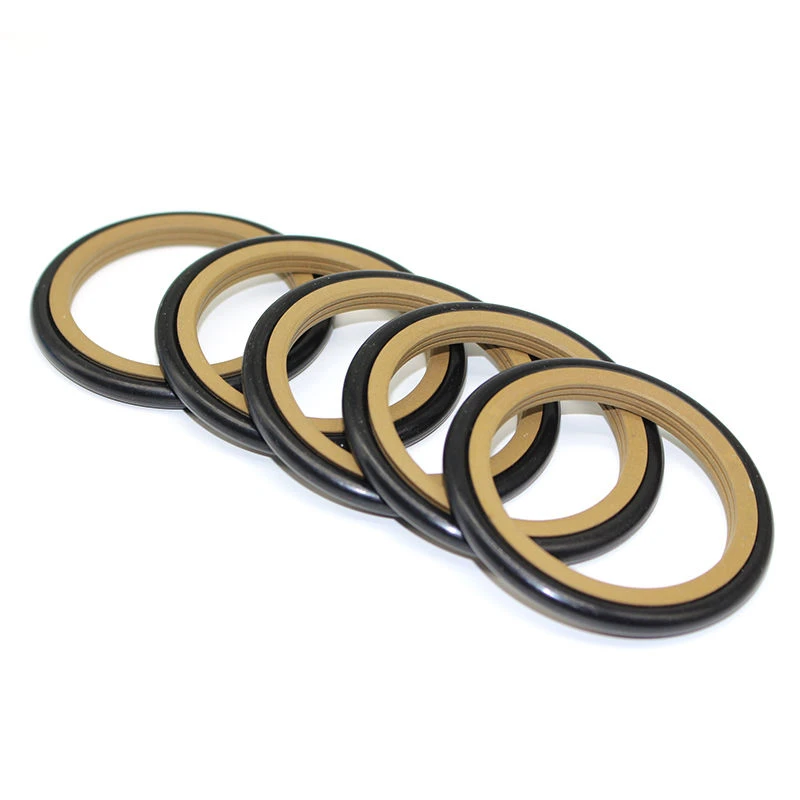
When oil seals must contain pressurized fluid rather than simple splash lubrication, the design rules change dramatically. A high pressure rotary seal frequently operates in hydraulic motors, rotary actuators, and high-speed spindle applications where system pressure can exceed several thousand pounds per square inch. A conventional oil seal lip would be flattened against the shaft by such pressure, losing its hydrodynamic film and seizing within minutes. Instead, a high pressure rotary seal employs a reinforced lip geometry, often incorporating a backup ring made of a hard thermoplastic that prevents extrusion of the sealing element. The housing bore for a high pressure rotary seal must be machined to tighter tolerances, and the shaft surface finish must be specified with extreme care, as any imperfection becomes a leak path under pressure. In advanced hydraulic systems, a high pressure rotary seal is paired with a buffer seal to isolate it from system pressure spikes, essentially creating a cascaded sealing arrangement that protects the most sensitive interface. The latest generation of high pressure rotary seal technology uses finite element analysis to shape the lip cross-section so that pressure energizes the seal rather than collapsing it, a principle that has extended the life of rotary unions in heavy manufacturing by a factor of three.
Pressure-Activated Lip Designs
The most reliable high pressure rotary seal designs use the contained pressure to their advantage. As fluid pressure builds, it presses the seal lip more firmly against the shaft, increasing the contact force only where it is needed. This self-energizing feature means that at low pressures, the high pressure rotary seal generates minimal friction, preserving energy efficiency. A high pressure rotary seal of this type often incorporates a series of circumferential grooves on the atmosphere side of the lip, which act as pressure-release channels if any fluid does manage to escape. When retrofitting older equipment, maintenance crews must be careful to match the shaft diameter exactly; installing a high pressure rotary seal intended for a different shaft size - even by a fraction of a millimeter - can negate the self-energizing effect and lead to catastrophic blowout.
Cylinder Oil Seal Performance in Reciprocating and Rotary Systems
A cylinder oil seal presents unique demands because it must seal against a shaft that moves both axially and rotationally, or that reciprocates through the seal during every stroke. In a hydraulic cylinder, the cylinder oil seal not only retains pressurized oil but also scrapes contaminants from the extending piston rod. The lip profile of a cylinder oil seal is asymmetric, with a steeper angle on the oil side to maximize the return-pumping effect during the outstroke. When a cylinder oil seal begins to fail, external leakage is often the first visible sign, appearing as a wet film on the rod that gradually accumulates into droplets. This leakage not only creates an environmental hazard but also introduces air into the hydraulic system, causing spongy actuator response. Selecting a cylinder oil seal for a given application requires balancing the seal's stiffness - needed to withstand pressure - against the friction it imparts to the rod, which directly affects the system's overall efficiency and stick-slip behavior.

Flange Oil Seal Configurations in Gearbox and Pump Assemblies
In bolted assemblies such as gearboxes and pumps, a flange oil seal provides a static face seal that prevents leakage along a mounting flange. Unlike a radial oil seal, a flange oil seal compresses axially between two flat surfaces, often sealed with a bead of room-temperature-vulcanizing silicone or a formed elastomer ridge. When an aluminum gearbox housing is bolted to a steel adapter plate, differential thermal expansion can cause the surfaces to slide minutely, and a flange oil seal must accommodate this micro-motion without losing its compression set. In high-vacuum or high-pressure pump applications, a flange oil seal is often manufactured from a fluoroelastomer bonded to a metallic ring that limits creep and maintains bolt torque over time. A compromised flange oil seal on a transfer pump can allow air ingress, which cavitates the pump and reduces flow rate, a problem often misdiagnosed as a worn impeller. The simple act of replacing an aged flange oil seal and re-torquing the fasteners to specification has restored lost pump performance in countless industrial settings.

Installing an Oil Seal Without Damaging Its Core

The most precisely manufactured oil seal will fail prematurely if installed with incorrect technique. The bore must be clean, deburred, and lightly lubricated with the system fluid to reduce the force required for pressing. An oil seal driver should contact only the outer metal case, never the seal lip or the flexible inner diameter. A common field expedient-using a socket or a piece of pipe to drive the oil seal-works only if the tool is perfectly flat and sized to the case, because any tilt can distort the thin metal shell and create an immediate leak path. Specialized stepped drivers and hydraulic presses are routinely used in heavy-truck service bays to set a truck oil seal or a wheel oil seal with absolute squareness. When an oil seal is being installed over a splined or keyed shaft, a thin plastic sleeve must protect the lip from being cut by the sharp edges; even a microscopic nick will channel oil past the lip under operating pressure.
Common Bore Preparation Mistakes
A surprising number of oil seal failures originate long before the seal is pressed into place. Residual sealant particles, corrosion scaling, or even paint overspray inside the bore can prevent the oil seal from seating squarely. If the bore surface is scored from a previous removal attempt, a new oil seal will struggle to form a reliable static seal, and a bore-repair sleeve may be required. Technicians working on front hub oil seal replacements have learned to inspect the bore with a flashlight and a pick, removing any carbonized oil residue that could later expand with heat and break the bond. A short preparation routine - clean the bore, dry it, apply the correct assembly lubricant - consistently produces a better outcome than rushing to press in a new metal cased oil seal.
Troubleshooting Premature Oil Seal Failure
When an oil seal fails well before its rated service interval, a systematic inspection of the removed part can reveal the root cause. A lip that is hard and cracked indicates excessive heat, often from a restricted lubrication passage or a seal compound mismatched to the fluid. A lip that is worn completely flat and has a mirror-like glaze suggests abrasion from contaminated oil. A seal that has been pushed out of its bore points to excessive internal pressure, blocked vents, or an undersized housing. In many heavy-duty truck applications, a failed truck oil seal is the symptom rather than the disease; bearing wear allows excessive shaft movement that overwhelms the oil seal's ability to track the runout, turning a minor bearing issue into a roadside emergency.

Reading the Wear Pattern
The contact band on a used oil seal tells a detailed story. A narrow, off-center wear band suggests misalignment during installation, perhaps because the seal was started crooked and then hammered straight. A uniform but excessively wide wear band implies low spring tension or a seal compound that has swollen in contact with the lubricant, softening and spreading under load. When the wear band is interrupted by small pits or trenches, the likely culprit is particle contamination embedded in the lip. In a front hub oil seal removed from an off-road vehicle, a characteristic mud pattern is often visible as a discolored track where water and grit entered past a worn dust lip. Recording these observations in a maintenance log builds an institutional memory that improves future oil seal selection.
The Circular Economy and Oil Seal Sustainability

Sustainability pressures are reshaping the oil seal supply chain. Manufacturers are reducing volatile organic compound emissions by switching to water-based adhesives for the rubber-to-metal bonding process. Some metal cased oil seals are now designed for disassembly, with the elastomer part separated from the steel shell during recycling. In large fleet operations, a core return program recovers used cassette oil seal assemblies and refurbishes them with new wear sleeves and sealing elements, reducing both landfill waste and procurement cost. The shift to longer-life oil seal designs inherently reduces consumption: a high-end wheel oil seal that lasts the life of the brake shoes eliminates two or three replacement cycles, along with the associated packaging, shipping, and service labor. As fleets adopt electric trucks, the reduced vibration and cleaner operating environment are expected to further extend the useful life of every oil seal on the vehicle.
Final Selection Checklist for Any Oil Seal Application
Choosing the correct oil seal begins with measuring the shaft diameter, bore diameter, and seal width accurately with calibrated instruments, not tape measures. The operating temperature, shaft speed, and lubricant chemistry dictate the elastomer family, while the presence of external contaminants determines whether multiple lips or a cassette oil seal is warranted. The direction of shaft rotation, if fixed, may require a directional oil lip seal with spiral pumping grooves, whereas reversing applications need a symmetrical design. The installation environment matters: a rubber shaft seal may be preferable for field replacements where bore damage is likely, while a metal cased oil seal suits press-fit applications in a clean assembly room. Finally, verifying the supplier's traceability and anti-counterfeit markings protects the investment, ensuring that the oil seal in the box is exactly what the engineering specification demands. When these factors are assessed methodically, the selected oil seal becomes an invisible asset - quietly keeping the machine productive and the environment clean for its entire intended life.