Europe's construction equipment industry is showing positive momentum as investment in infrastructure, urban redevelopment, renewable energy projects, and transportation networks continues to grow. Across many European countries, contractors are renewing fleets, rental companies are upgrading equipment, and manufacturers are increasing production to meet market demand.
From excavators and wheel loaders to mobile cranes, backhoe loaders, telehandlers, and road construction machinery, hydraulic systems remain the driving force behind nearly every modern construction machine. Whether lifting heavy materials, digging foundations, or handling precision movements, reliable hydraulic performance is essential for productivity and safety.
While engines, transmissions, and electronic control systems often receive the most attention, hydraulic sealing systems play an equally important role in maintaining equipment performance. Hydraulic seals may be small components, but they have a major impact on machine reliability, maintenance costs, and operational efficiency.
Hydraulic Systems Depend on Effective Sealing

A hydraulic system converts fluid pressure into mechanical force. To maintain stable performance, hydraulic oil must remain inside cylinders, pumps, valves, and pipelines while contaminants stay outside the system.
Hydraulic seals perform this critical function by preventing oil leakage and protecting internal components from dust, water, sand, and other contaminants.
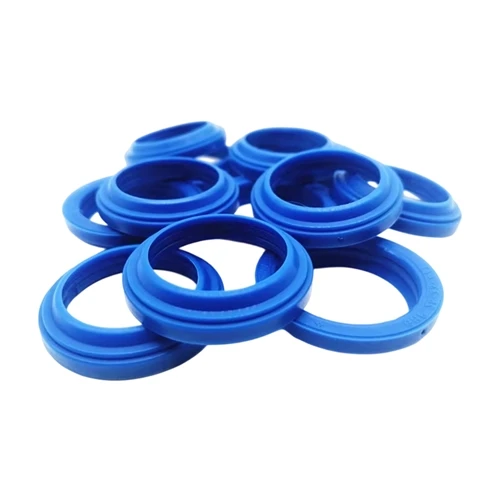
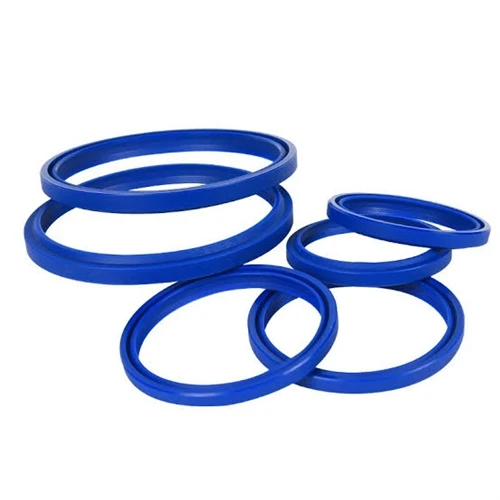
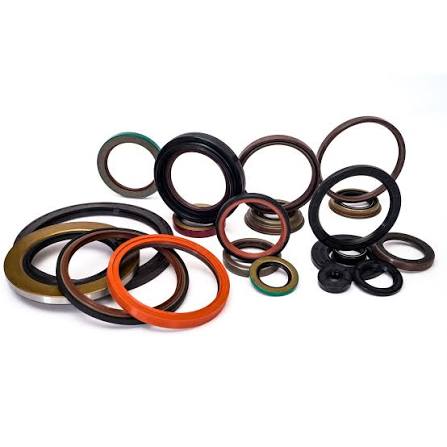
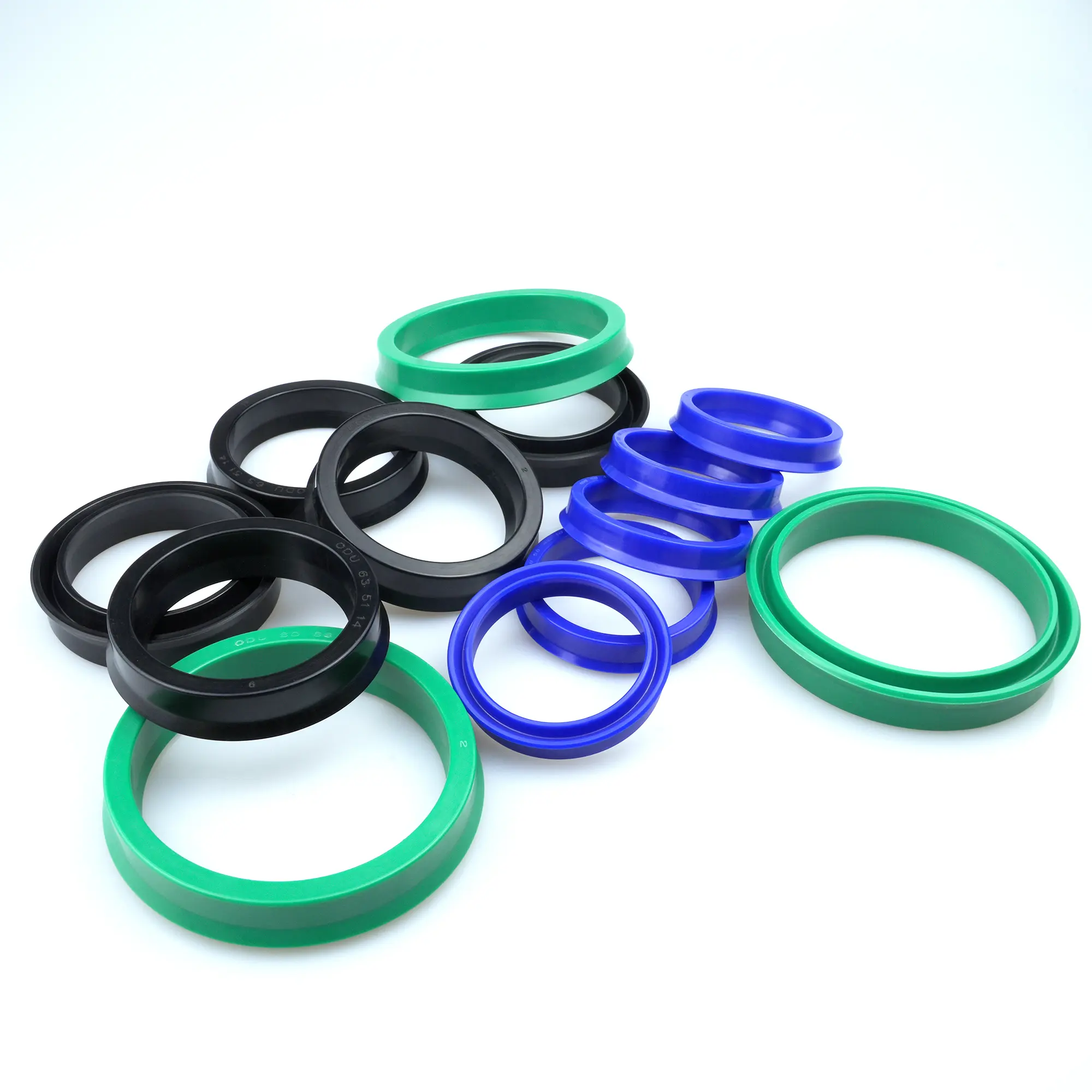
A complete sealing system may include rod seals, piston seals, wiper seals, guide rings, wear rings, backup rings, and O-rings. Each component has a specific purpose, but together they ensure smooth hydraulic operation under varying loads and working conditions.
In construction applications, hydraulic cylinders operate continuously throughout the working day. They experience repeated pressure cycles, high temperatures, vibration, shock loads, and exposure to harsh outdoor environments. Reliable sealing is essential for maintaining hydraulic pressure and ensuring consistent machine performance.
Reliability Is More Important Than Ever
As Europe's construction industry continues to recover, equipment utilization rates are increasing. Contractors and rental companies expect machines to operate for long hours with minimal downtime.
Unexpected hydraulic failures can interrupt project schedules, increase maintenance expenses, and reduce overall equipment productivity. Even a relatively small hydraulic seal failure may lead to oil leakage, pressure loss, slower cylinder movement, and contamination of critical hydraulic components.
Replacing a worn seal is often far less expensive than repairing damaged pumps, cylinders, or control valves caused by prolonged leakage or contamination.

For fleet managers, preventive maintenance is becoming an increasingly important strategy for reducing operating costs and extending equipment service life.
Material Quality Determines Seal Performance
Construction machinery operates under demanding conditions that require hydraulic seals to withstand high pressure, temperature changes, abrasive particles, and continuous movement.
Different sealing materials provide different performance characteristics. Polyurethane (PU) is widely recognized for its wear resistance and mechanical strength. PTFE offers excellent chemical resistance and low friction. Nitrile rubber (NBR) performs well in standard hydraulic applications, while fluorocarbon rubber (FKM) provides outstanding resistance to high temperatures and aggressive fluids.

Selecting the right material based on operating conditions helps improve sealing performance and reduce maintenance frequency.
Precision manufacturing is equally important. Accurate dimensions, smooth sealing surfaces, and consistent material quality contribute to reliable long-term operation.
Supporting Europe's Construction Industry

The recovery of Europe's construction equipment market presents new opportunities for equipment manufacturers, distributors, maintenance providers, and component suppliers.
As machines become more advanced and project schedules become tighter, the importance of reliable hydraulic systems continues to increase.
Although hydraulic seals represent only a small percentage of the total equipment cost, they help protect expensive hydraulic components, improve machine efficiency, reduce downtime, and lower total operating costs.
Investing in high-quality hydraulic sealing solutions is not simply about replacing consumable parts-it is about ensuring reliable equipment performance throughout every stage of a machine's service life.
As Europe continues building smarter cities, stronger infrastructure, and more sustainable transportation systems, dependable hydraulic seals will remain an essential component behind every successful construction project.