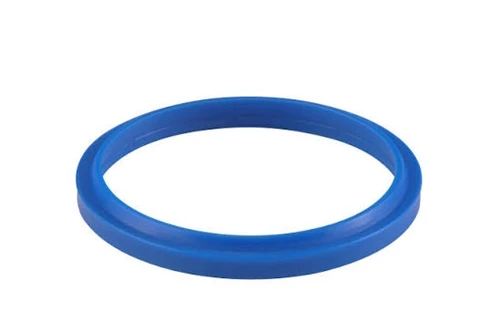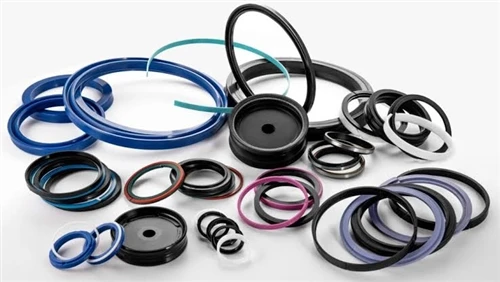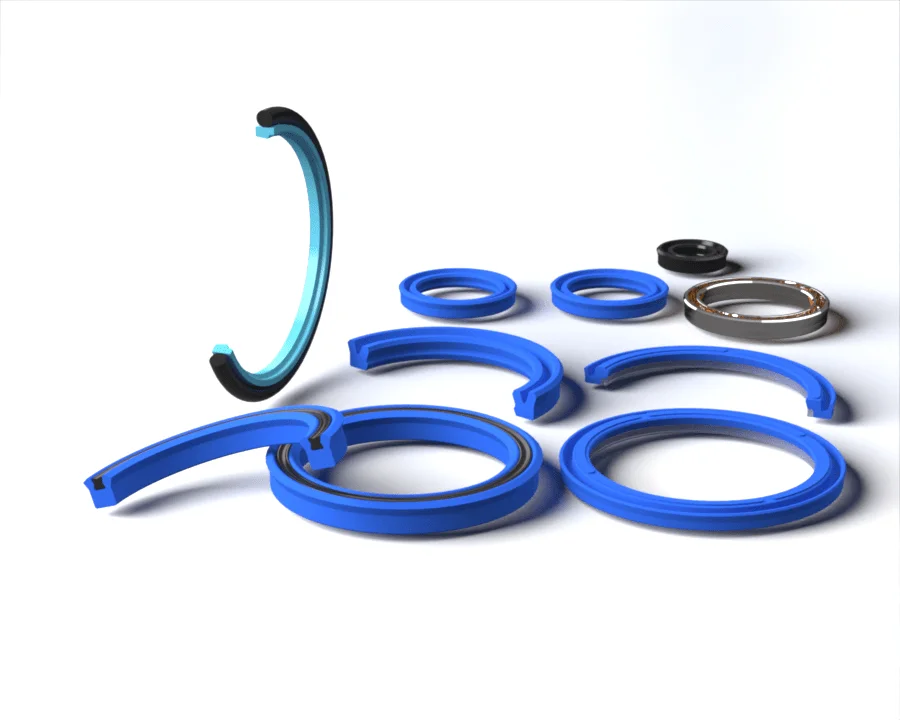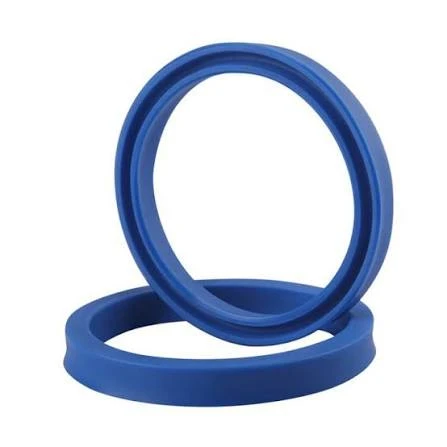
In the world of hydraulic engineering, seals may seem like minor components, but they are the critical "gatekeepers" that dictate equipment performance and lifespan. As industrial standards continue to evolve in 2026, traditional Polyurethane (PU) seals are increasingly struggling to meet the rigorous demands of modern heavy-duty machinery facing higher pressures, elevated temperatures, and complex operating environments. The transition from traditional materials to high-performance nano-elastomers has become an inevitable trend in industrial upgrades.
The Limitations of Traditional PU Seals
For a long time, PU has been the standard choice for hydraulic cylinders due to its reliable elasticity and wear resistance. However, in the 2026 industrial landscape, its limitations are becoming apparent. Under high-pressure shocks, traditional PU is prone to permanent compression set. In extreme heat or chemically corrosive environments, its physical properties deteriorate rapidly, leading to hardened or cracked sealing lips and subsequent oil leakage. For construction machinery and automated production lines operating at high intensity, frequent downtime for maintenance means not only astronomical labor costs but also a direct blow to production efficiency.

Technical Breakthroughs of Nano-Elastomers
In contrast, nano-filled elastomers, the milestone of 2026 sealing technology, are redefining "durability." By integrating specialized nanoparticles into the polymer matrix, these new seals achieve a qualitative leap:
Superior Extrusion Resistance: The nano-structure reinforces the molecular chain stability of the material, allowing it to maintain high geometric integrity even under extreme pressure, effectively preventing the seal from being extruded into metal gaps.
Dynamic Adaptability: Nano-materials endow seals with superior dynamic response speeds, maintaining excellent contact fit regardless of high-speed reciprocating motions or frequent start-stop cycles.
Wide Temperature Range Performance: These materials maintain constant physical properties across an operating range from -40°C to 150°C, drastically expanding the working boundaries of your equipment.
Economic Benefits of Upgrading

For business owners, upgrading is not just about "being better"-it's about "being more efficient." While the initial procurement cost of high-performance nano-seals may be higher than traditional PU, the economic benefits over the equipment's lifecycle are significant. Industry data shows that equipment upgraded to nano-seals can reduce unplanned downtime by over 30% and extend the average replacement cycle by 50%. This translates to fewer parts purchased, lower labor maintenance expenses, and higher equipment availability.
In 2026, upgrading your sealing system is no longer an "elective"-it is a "required course" for companies striving to maintain competitiveness and achieve cost-efficiency. Every leap from traditional to advanced technology is an investment in the strongest possible safeguard for your equipment's safe operation.