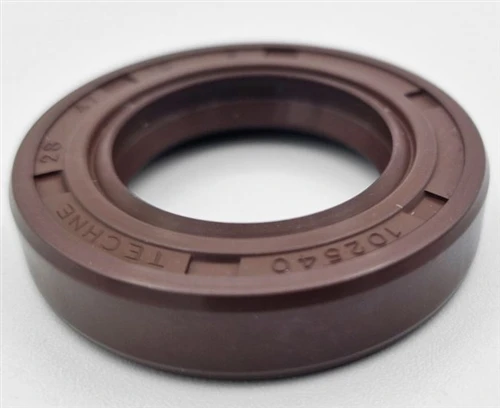
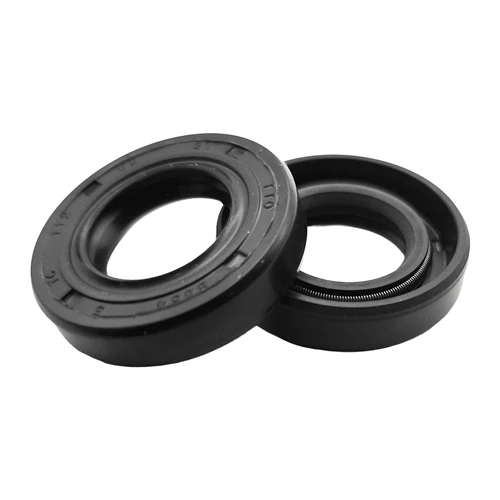
Without reliable sealing, even the most robust high-pressure hydraulic systems quickly succumb to internal leakage, loss of motion control, and catastrophic downtime. Engineers often focus on primary seals, but in applications pushing beyond 2,000 psi, a small, often overlooked component makes the difference between months of flawless operation and a blown seal after a few cycles. That component is the back-up ring. Acting as a rigid, anti-extrusion barrier, this simple device preserves seal integrity when pressure spikes and clearance gaps conspire to destroy elastomeric elements. Understanding how and where to apply a back-up ring dramatically extends service intervals and ensures the long-term reliability of hydraulic cylinders, pumps, and valves.
Understanding the Role of a Back-Up Ring
Where Back-Up Rings Fit in the Sealing Assembly
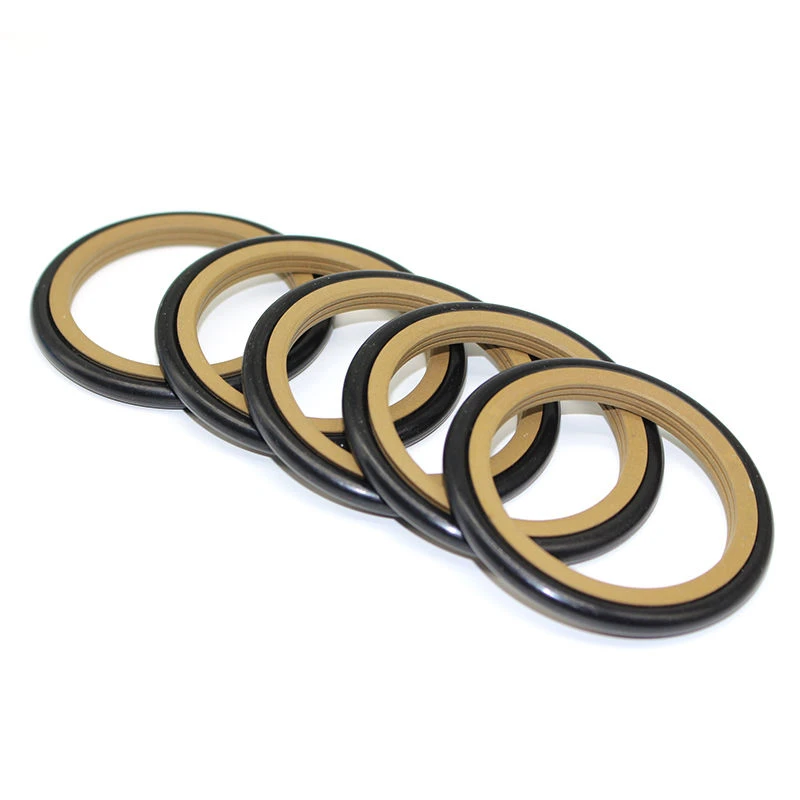
A back-up ring is never a standalone seal. It sits directly adjacent to a primary seal-most commonly an O-ring or a lip seal-on the side facing away from the pressurized fluid. In a rod sealing application, the back-up ring nests into the gland, supporting the O-ring against the low-pressure side of the extrusion gap. This positioning is critical: hydraulic pressure tries to push the soft elastomer into the tiny clearance between the piston and bore, or the rod and gland. Without a support ring, the seal material yields and gradually erodes.

The Immediate Gain in Extrusion Resistance
When system pressure climbs beyond the elastomer's ability to resist deformation, the back-up ring physically closes the gap. Its robust, often thermoplastic construction withstands forces that would tear an O-ring. This backup ring action transforms a seal groove from a potential failure point into a stable, long-lasting sealing interface. The result is a direct uplift in high-pressure hydraulic system reliability, where a single back-up ring can prevent the unpredictable cascading failures that often begin with a tiny extruded sliver of rubber.
The Extrusion Problem and How a Back-Up Ring Solves It
The Dynamics of the Clearance Gap without a Back-Up Ring

Elastomeric seals under high differential pressure behave more like viscous liquids than solids. Given enough stress, they flow into any available void. The annular clearance between moving metal parts provides exactly that void. Once material extrudes, reciprocating motion nibbles away at the protrusion, creating progressive seal damage. Temperature softening of the elastomer at elevated hydraulic oil temperatures amplifies this nibbling effect dramatically. An anti-extrusion ring placed in the groove eliminates this destructive flow path, acting as a zero-clearance bridge that the soft seal cannot penetrate.
Material Choices for a Reliable Back-Up Ring
Selecting a High-Performance Back-Up Ring Material
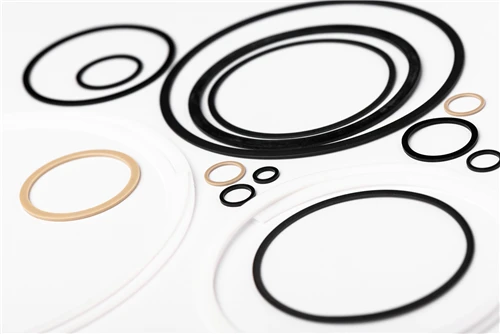
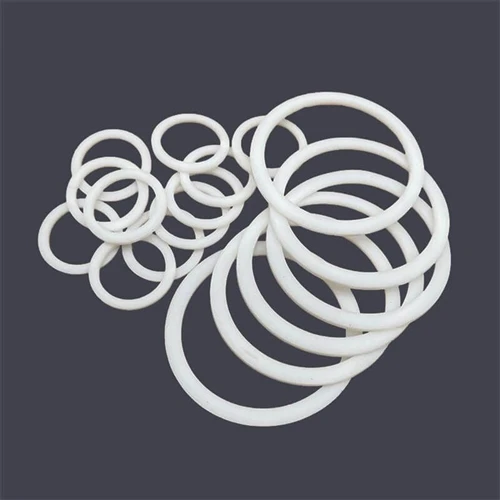
Not all backup rings are created equal. The common PTFE back-up ring offers excellent chemical compatibility and low friction, but under very high loads it can cold-flow. For extreme pressure applications, filled PTFE compounds incorporating glass fiber or bronze provide far greater extrusion resistance. Nylon back-up rings deliver higher tensile strength and are often chosen for heavy-duty mobile hydraulics. At elevated temperatures, a PEEK back-up ring remains dimensionally stable where others creep. Matching the anti-extrusion ring material to the specific hydraulic fluid and operating temperature range is essential to avoid chemical swelling or premature hardening.

Design Variations of the Back-Up Ring
Solid, Split, and Spiral Back-Up Ring Geometries

Installation constraints drive back-up ring design. A solid, continuous back-up ring offers the best extrusion protection but can be difficult to mount into a closed gland. A split or scarf-cut backup ring simplifies assembly significantly, allowing it to be opened and placed around the rod without overstretching. The spiral-wound backup ring provides a compromise, with overlapping ends that maintain almost continuous circumferential support while remaining easy to install. Each geometry has a place, and selecting the wrong form factor for a blind piston gland can lead to accidental cutting or twisting during insertion, undermining long-term hydraulic system reliability.
Installing a Back-Up Ring Correctly
Ensuring Proper Back-Up Ring Orientation
The most common installation error is placing the back-up ring on the wrong side of the seal. It must always reside on the low-pressure, downstream side of the primary seal, directly facing the extrusion gap. In double-acting cylinders, where pressure alternates, two back-up rings are used-one on each flank of the O-ring. Inspecting the gland corner radius is equally vital; a sharp edge can shave a soft PTFE backup ring during assembly, generating debris that ruins the entire sealing system. A clean, lubricated installation routine that avoids twisting the anti-extrusion ring preserves its precise engineered profile.

Back-Up Rings in Rod and Piston Seals
Protecting Dynamic Seals with a Back-Up Ring

Dynamic applications subject seals to constant sliding and micro-movements that aggravate extrusion. In a cylinder rod seal, even brief pressure peaks can wedge the elastomer into the clearance zone, where the rod's retraction then shears the extruded material. Placing a back-up ring downstream of the primary polyurethane U-cup or O-ring dramatically reduces this progressive nibbling wear. For piston seals operating under side-load conditions, a back-up ring prevents the uneven gap deformation that plagues single-acting piston designs, directly contributing to consistent low-friction motion and improved high-pressure hydraulic circuit stability.
The Influence of System Pressure on Back-Up Ring Performance
Pressure Thresholds for Adding a Back-Up Ring
Many hydraulic designers follow a pragmatic rule: consider a back-up ring when operating pressure exceeds 1,500 psi, and make it mandatory above 3,000 psi. However, pressure alone is not the sole trigger. Systems with pronounced pressure spikes, water hammer, or high-frequency cycling benefit from a support ring even at moderate nominal pressures. The dynamic peak pressure, not the static gauge reading, determines whether the elastomer will flow. Integrating a backup ring at the design stage, rather than as a field retrofit, avoids countless hours of troubleshooting phantom leaks and wandering cylinder drift.

Combining Back-Up Rings with Diverse Seal Profiles
Pairing a Back-Up Ring with O-Rings and Lip Seals

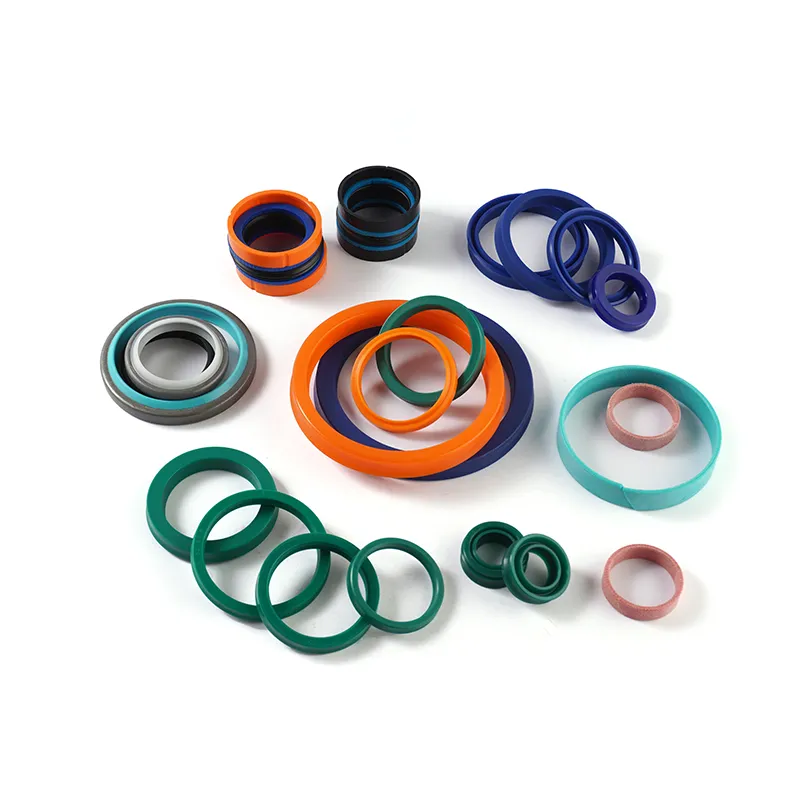
While traditionally associated with O-rings, the back-up ring serves a wide spectrum of seal types. A rubber-fabric lip seal gains substantial high-pressure capability when supported by a contoured back-up ring. Quad-rings and X-rings also depend on anti-extrusion support in demanding flight control actuators and subsea equipment. In compact cartridge valves, miniature PTFE backup rings nest into complex gland contours, preventing seal blowout during abrupt poppet shifts. This versatility makes the humble back-up ring one of the most adaptable reliability-enhancing components in the fluid power engineer's toolkit.
Field Signs of a Missing or Damaged Back-Up Ring
Technicians often spot the aftermath of a missing back-up ring before they open the gland. External rod leakage that worsens quickly after a few strokes, blackened or sparkly hydraulic oil from elastomeric debris, and a sudden increase in cylinder drift under load all point to a seal system that has lost its anti-extrusion barrier. Upon disassembly, the telltale witness mark is a ragged, nibbled downstream edge on the primary seal, often accompanied by fine rubber particles compacted in the clearance gap. Proactive inspection and replacement of the damaged backup ring during routine resealing operations can avoid the far greater expense of a scored rod or a cavitated pump.
Long-Term Cost Savings Using a Back-Up Ring
A single backup ring often costs less than the valve plate on a high-performance piston pump, yet its absence can trigger a chain of failures that ruins precisely that pump. Extending mean time between overhaul, reducing unscheduled maintenance, and preserving the integrity of mating metal surfaces translate directly into operational profitability. When reliability engineers calculate life-cycle costs, the penny-sized back-up ring emerges as a high-leverage investment. In harsh environments, from mining loaders to offshore tensioners, the consistent use of anti-extrusion back-up rings has been correlated with a measurable reduction in total hydraulic system reliability failures, cementing its status as a cornerstone of modern sealing architecture.