Hydraulic Seal Fundamentals
The Role of the Hydraulic Seal in Contamination Control
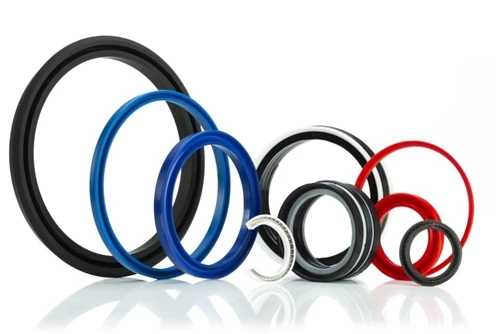
A hydraulic seal is far more than a simple ring of rubber. Every fluid power system relies on the precise interaction between sealing lip and mating surface to hold pressure and keep out abrasive particles. A single worn hydraulic seal can introduce enough contamination to score a cylinder rod, triggering unscheduled downtime and costly hydraulic seal replacement. Modern designs often combine a primary hydraulic seal with a secondary dust wiper, forming a dual-barrier arrangement that extends service intervals dramatically. Focusing on the correct interference fit and surface finish of a hydraulic seal from the start prevents the cascade of failures that begins with microscopic bypass.

Rod Seal Solutions: A Dynamic Hydraulic Seal for Cylinder Operation

A rod seal remains the most heavily stressed dynamic hydraulic seal in any double-acting cylinder. Operating conditions demand low friction at high stroking speed while still achieving zero-leakage performance over millions of cycles. If the rod hydraulic seal is too tight, heat generation breaks down the oil film; if too loose, external weepage becomes visible on the rod. Many maintenance crews keep a spare hydraulic cylinder rod seal kit on the shelf to swap in a fresh rod hydraulic seal without removing the entire barrel. Advances in asymmetrical lip profiles now allow a single hydraulic seal to pump a minute oil film back into the cylinder on every return stroke, dramatically improving low-pressure rod sealing.
Piston Seals: Enhancing Hydraulic Seal Integrity under High Pressure
Balancing Friction and Leakage in a Piston Hydraulic Seal
Piston seals carry the full load across the cylinder bore, making them the core hydraulic seal for converting fluid energy into linear force. A tight-groove piston hydraulic seal may yield excellent static holding but can develop stick-slip during low-speed actuation. Engineers often stack a soft elastomer energizer with a wear-resistant slide ring to create a composite hydraulic seal that energizes from zero bar yet remains stable beyond 400 bar. In compact cylinders where housing space is minimal, a stepped hydraulic seal combining two different materials in one groove offers a smart alternative. Regular inspection of the piston hydraulic seal running surface reveals telltale signs of side-loading misalignment or contaminated fluid.

Wiper Seals: The First Line Hydraulic Seal Defense
Installing a Robust Wiper Hydraulic Seal

A wiper seal, though often overlooked, is the frontline hydraulic seal that intercepts dirt, moisture, and ice before they reach the rod seal. A metallic shell wiper hydraulic seal provides aggressive scraping in mining and off-highway applications, while a snap-in rubber wiper hydraulic seal works well in cleaner factory environments. When a wiper hydraulic seal loses its sharp edge, the rod drags external media inside the gland, effectively sanding the primary hydraulic seal. Some double-lip designs incorporate a secondary sealing function that catches any residual oil film missed by the rod seal, acting as a final backup hydraulic seal against drips.
Wear Rings: Guiding the Hydraulic Seal Assembly
Preventing Metal-to-Metal Contact with a Wear-Ring Hydraulic Seal System
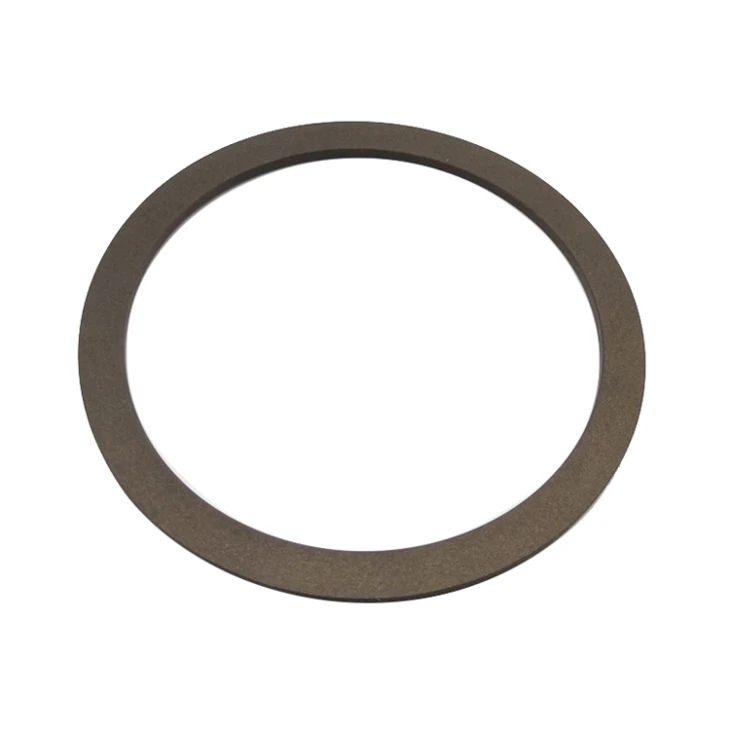
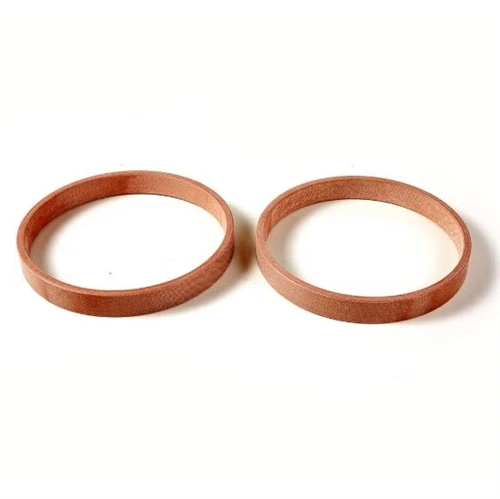
Wear rings are not fluid-tight themselves, but they directly influence every hydraulic seal by maintaining concentricity between piston and bore or rod and gland. A worn guide ring allows the hydraulic seal to extrude into an uneven gap, rapidly accelerating hydraulic seal failure. Precision-cut fabric-reinforced phenolic wear rings support the hydraulic seal assembly under high transverse loads without absorbing moisture. Selecting the correct radial clearance helps a hydraulic seal live its full design life by eliminating the microscopic hammering that occurs during direction reversals. In long-stroke cylinders, intermediate guide bushings keep the hydraulic seal stack aligned and vibration-free.

Rotary Shaft Hydraulic Seal Configurations
When to Use a Radial Lip Hydraulic Seal vs. a Mechanical Face Seal

Rotating equipment calls for an entirely different hydraulic seal approach. A radial lip hydraulic seal handles moderate speed and pressure in hydraulic pumps and swivels, relying on a garter spring to maintain contact. For severe-duty rotary unions, a mechanical face hydraulic seal performs better because the lapped faces create a hydrodynamic film that does not degrade under continuous shaft runout. Leakage past a rotary hydraulic seal often indicates a hardened secondary lip or a scored shaft surface from trapped debris. In low-speed high-torque hydraulic motors, a cassette-type hydraulic seal with internal dust lip and protected primary lip proves invaluable.
Static Hydraulic Seal Options: Beyond Standard O-Rings
Backup Rings for High-Pressure Static Hydraulic Seal Performance
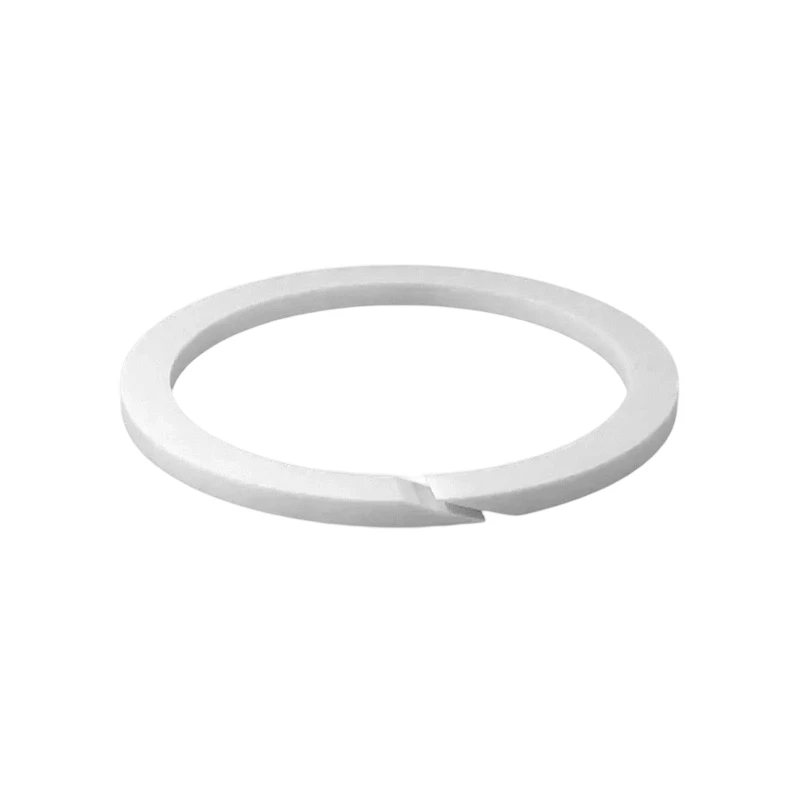
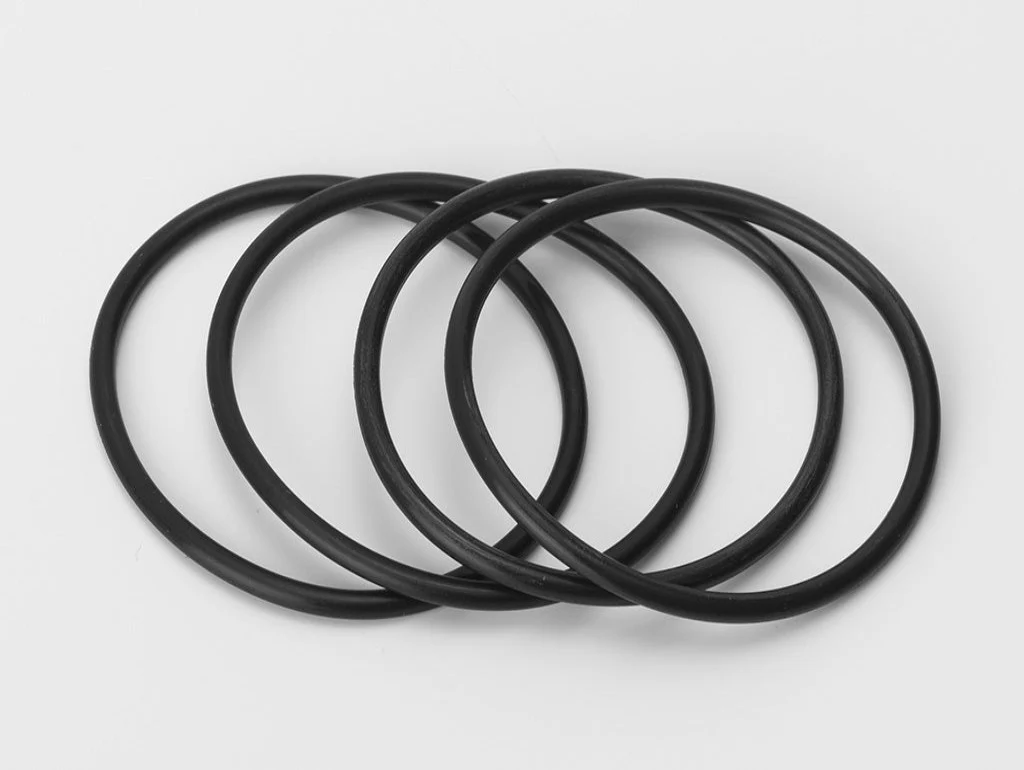
Static hydraulic seal applications include port flanges, manifold face mounts, and tube fittings. A basic nitrile O-ring is the most common static hydraulic seal, but it tends to extrude through large clearance gaps when pressures spike beyond 150 bar. Adding a contoured PTFE backup ring converts a simple static hydraulic seal into an anti-extrusion hydraulic seal capable of handling 600 bar steady pressure. For split-flange ports, a bonded rubber-to-metal hydraulic seal prevents blow-out during pressure transients. Using a computer-modeled groove design for the static hydraulic seal eliminates the spiral twisting failure often seen with manually inserted O-rings.

Buffer Seal and Cushion Hydraulic Seal Variants

A buffer seal absorbs destructive pressure peaks before they hammer the primary rod hydraulic seal. This specialized hydraulic seal permits a controlled pressure ramp while allowing the oil film to pass through a knife-trimmed metering lip. In cushion assemblies at the cylinder end cap, a calibrated cushion hydraulic seal slows the piston smoothly, preventing the shock load that causes welded cylinder mounts to fracture. Selecting a high-modulus urethane for the buffer hydraulic seal ensures the metering edge does not permanently deform under repeated spike loads. An undetected split in the buffer hydraulic seal will rapidly transfer full system pressure to the rod seal, causing it to extrude.
Material Selection in Modern Hydraulic Seal Engineering
Polyurethane vs. PTFE Hydraulic Seal Comparison
Hydraulic seal material choices dictate temperature range, chemical compatibility, and wear life. A polyester-based polyurethane hydraulic seal offers exceptional abrasion resistance and elasticity, ideal for earthmoving cylinders. Conversely, a filled PTFE hydraulic seal operates from -60°C to 260°C but has no memory, so it must be activated by an energizer. In bio-hydraulic oil circuits, a hydrogenated nitrile hydraulic seal is often preferred over standard NBR to resist rapid additive breakdown. When selecting a hydraulic seal material compound, verify the glass transition temperature on the datasheet to ensure low-temperature flexibility does not drop below safe dynamic limits.

Steps to Specify a Reliable Hydraulic Seal
Matching the Hydraulic Seal to Fluid and Speed
Start by recording the full operating envelope: pressure spikes, sliding velocity, and fluid type. A fast-cycling injection molding press needs a hydraulic seal with a specially profiled friction-optimized geometry to avoid heat build-up. Water-glycol fluids demand a hydraulic seal made of a hydrolysis-stable urethane, not a standard ester-base material. Confirm the extrusion gap at maximum temperature and pressure because a oversized hardware clearance will destroy any hydraulic seal. Finally, work with a custom hydraulic seal manufacturer who can groove-test and provide a documented life curve specific to your duty cycle, moving beyond generic catalog ratings.

Choosing the correct hydraulic seal ultimately means balancing contamination control, pressure retention, and friction management. Every type of hydraulic seal has evolved to solve a unique industrial problem, from the scraper wiper to the low-friction piston glide ring. Thorough on-site failure analysis of a removed hydraulic seal often reveals systemic issues beyond the seal itself, such as misalignment or fluid degradation. When the entire hydraulic seal package is treated as an engineered system rather than a commodity item, the mean time between overhauls increases substantially.