Around the world, governments and private investors continue to increase spending on infrastructure projects. From highways and railways to ports, airports, renewable energy facilities, and urban development, large-scale construction is driving demand for reliable heavy equipment.
Excavators, loaders, bulldozers, cranes, road rollers, and other construction machines are the backbone of these projects. Regardless of the equipment brand or application, one system is essential to nearly every machine-the hydraulic system.
Hydraulic power enables construction equipment to lift, push, dig, rotate, and carry heavy loads with precision and efficiency. At the core of every hydraulic system are sealing components that ensure the system operates safely, efficiently, and reliably. Although hydraulic seals are relatively small parts, their performance directly affects the productivity and service life of the entire machine.

The Importance of Hydraulic Seals

Hydraulic seals are designed to prevent hydraulic fluid leakage while maintaining pressure inside hydraulic cylinders and other system components. They also help keep dirt, dust, water, and other contaminants from entering the hydraulic system.
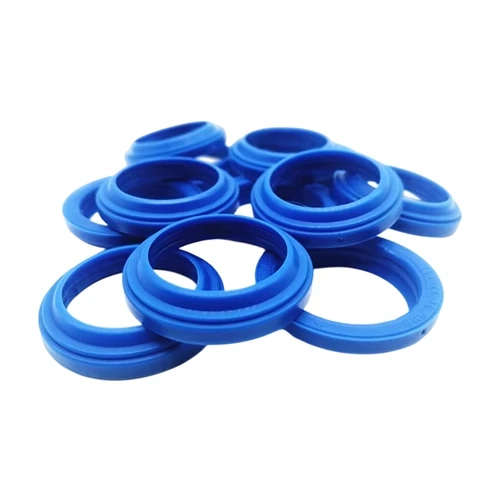
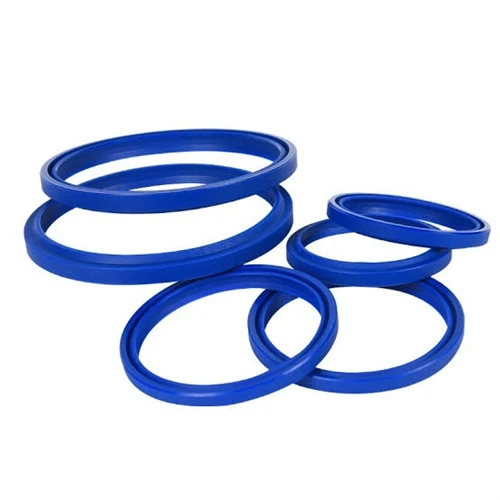
Common types of hydraulic seals include rod seals, piston seals, wiper seals, guide rings, wear rings, and O-rings. Each component performs a specific function, but together they create a complete sealing system that supports smooth machine operation.
Construction equipment often works in some of the world's harshest environments. Machines are exposed to dust, mud, rocks, moisture, vibration, and continuous heavy loads. Hydraulic systems also operate under high pressure and experience frequent temperature changes throughout the working day.
Under these demanding conditions, hydraulic seals must maintain excellent sealing performance without excessive wear or deformation.

The Cost of Seal Failure
When a hydraulic seal fails, the consequences can be far greater than the cost of replacing the seal itself.
Hydraulic oil leakage may reduce system pressure, resulting in slower machine response, reduced lifting capacity, unstable operation, and lower productivity. Oil leakage may also contaminate the environment and create safety hazards on construction sites.
In addition, contaminants entering the hydraulic system can damage cylinders, pumps, valves, and other expensive components. Repairing these parts often requires significant downtime and higher maintenance costs.
For contractors managing multiple machines across different project sites, unexpected equipment failures can delay project schedules and increase operating expenses.

Preventive maintenance and timely seal replacement are therefore essential strategies for minimizing equipment downtime and extending service life.
Material Selection Makes the Difference

Modern hydraulic seals are manufactured from a variety of materials, including polyurethane (PU), nitrile rubber (NBR), fluorocarbon rubber (FKM), and polytetrafluoroethylene (PTFE).
Each material offers unique advantages depending on operating conditions such as pressure, temperature, hydraulic fluid compatibility, and application requirements.
Selecting the appropriate sealing material is critical for achieving long-term reliability. High-quality seals should provide excellent wear resistance, low friction, high pressure resistance, chemical compatibility, and long service life.
Combined with precision manufacturing and strict quality control, premium sealing solutions help hydraulic systems maintain stable performance even under demanding construction conditions.
Supporting the Future of Infrastructure
As infrastructure investment continues to grow worldwide, construction companies are under increasing pressure to improve equipment utilization while reducing maintenance costs.

Reliable hydraulic sealing solutions play an important role in achieving these goals. Well-designed seals help maintain hydraulic efficiency, reduce fluid leakage, protect critical components, and support continuous machine operation.
Although hydraulic seals are among the smallest components in heavy equipment, they contribute significantly to machine reliability, operational efficiency, and total cost of ownership.
For equipment manufacturers, distributors, and maintenance professionals, choosing high-quality hydraulic seals is not simply about replacing worn parts. It is about ensuring that every hydraulic cylinder performs consistently throughout its service life.
As global infrastructure projects continue to expand, dependable hydraulic sealing technology will remain an essential foundation for building the roads, bridges, ports, and cities of tomorrow.