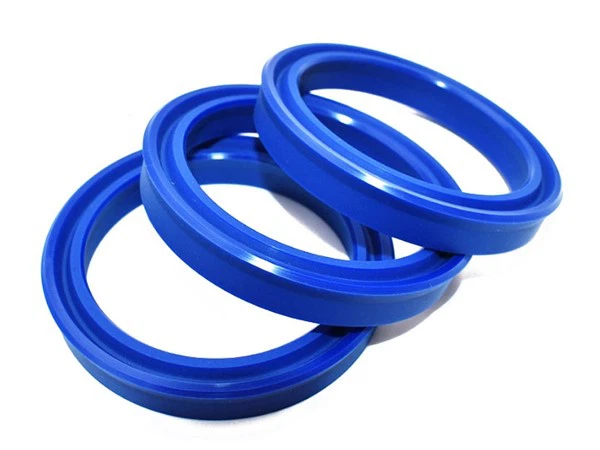
Global manufacturing and industrial automation are currently experiencing a profound structural transformation. As production facilities worldwide accelerate their modernization efforts to maximize operational uptime, the demand for precision-engineered components has reached unprecedented levels. Within this landscape, the industrial seals market-valued at over $16 billion-is expanding rapidly, driven largely by the proliferation of automated hydraulic systems and heavy-duty machinery. At the heart of this evolution lies a critical technological pivot: moving away from conventional sealing elements toward advanced, application-specific polymer solutions capable of withstanding extreme pressure, reducing friction, and extending maintenance intervals.
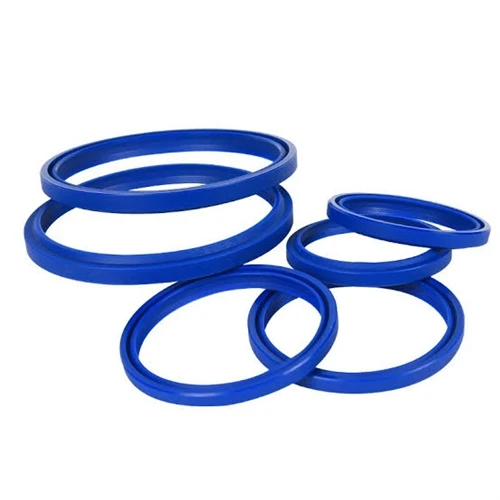
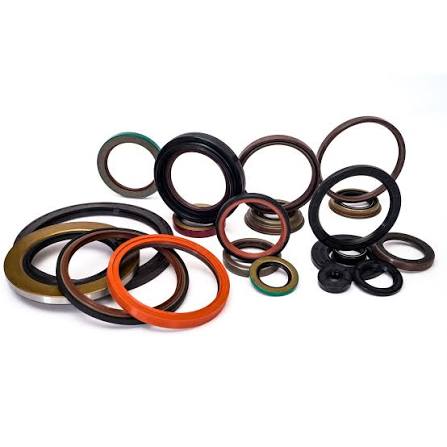
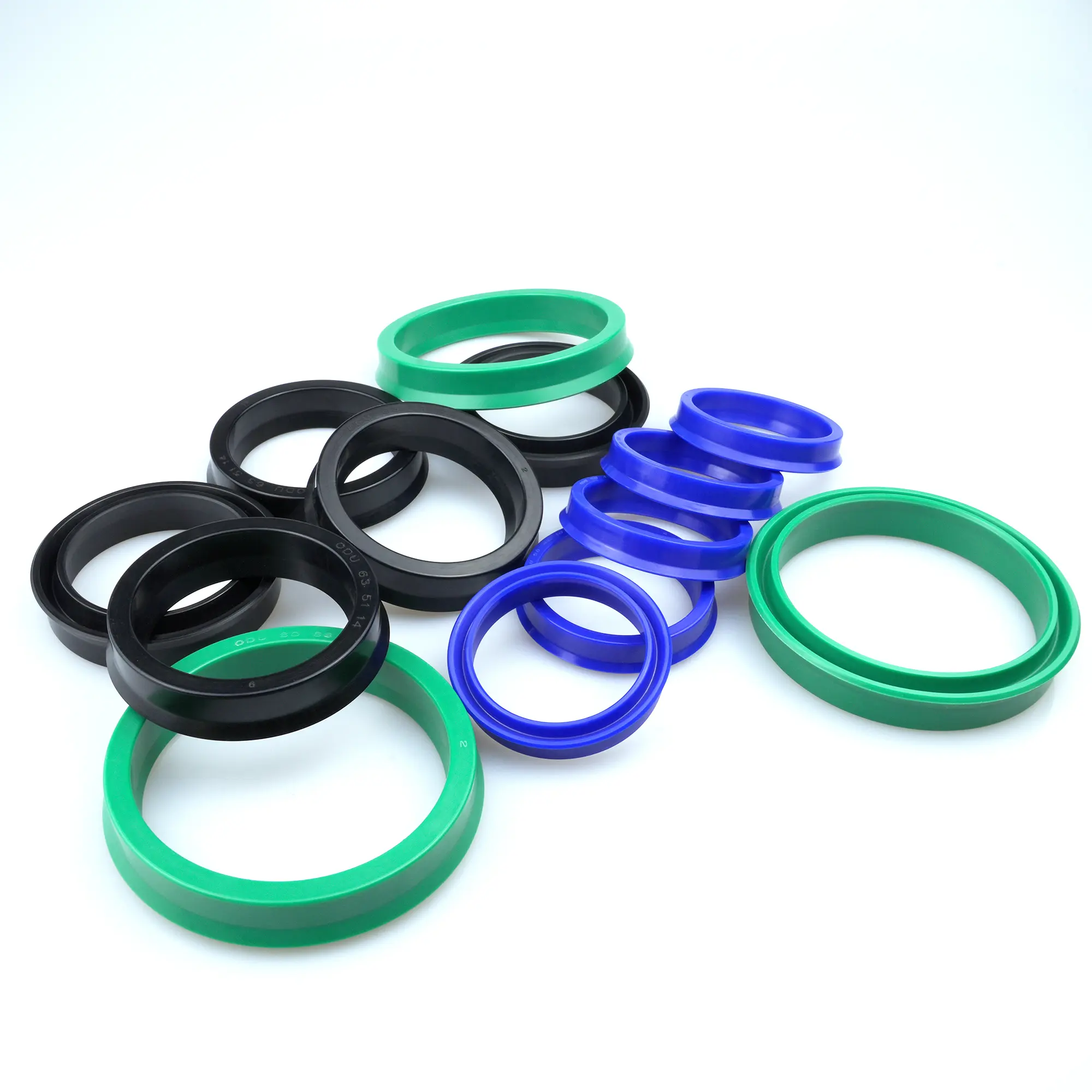
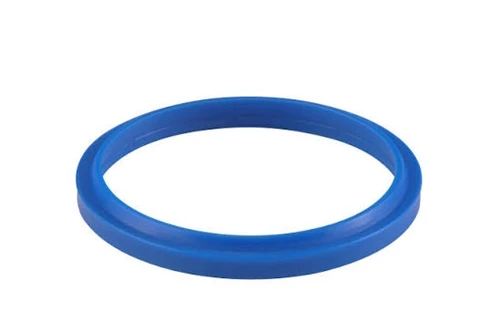
Modern automated hydraulic cylinders, injection molding machinery, and high-precision presses operate under demanding conditions that push traditional elastomer components to their limits. Extreme pressure spikes, elevated operating temperatures, and continuous high-speed movement require sealing profiles that offer exceptional dimensional stability and wear resistance. This is precisely where specialized composite sealing elements, such as PTFE bronze glyd rings coupled with elastomeric energizers, demonstrate their unmatched value. By combining the low friction and high-temperature resilience of bronze-filled PTFE with the elastic memory of materials like NBR, these advanced piston and rod seals prevent fluid bypass, minimize energy loss, and eliminate costly unexpected equipment stoppages.
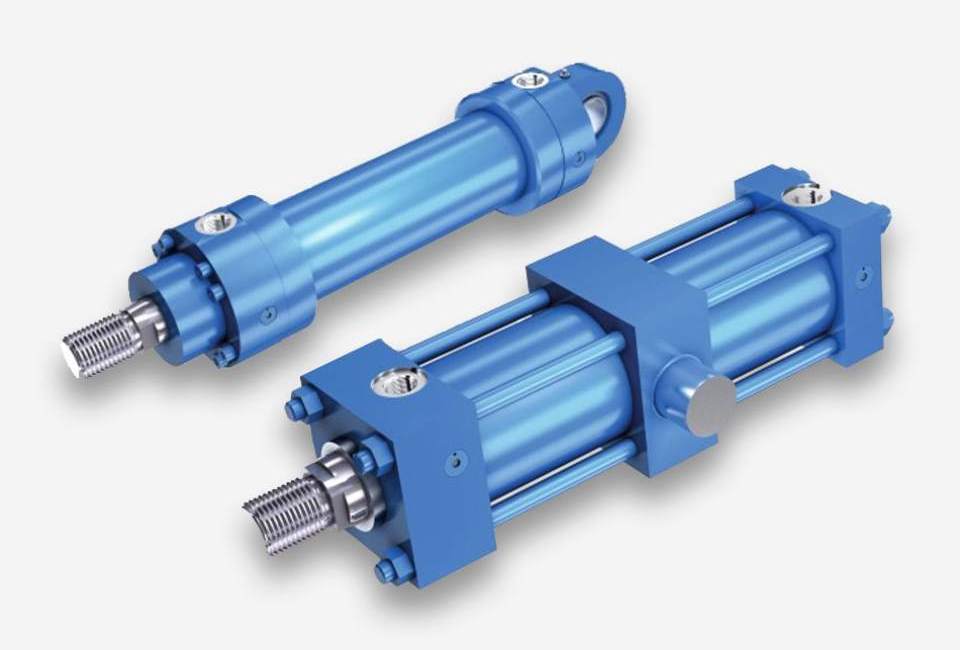
Industry leaders and equipment manufacturers are increasingly recognizing that the choice of a sealing component directly dictates the overall reliability and lifecycle cost of complex machinery. In automated production lines, a minor seal degradation can lead to fluid contamination, pressure drops, and catastrophic system failures. Consequently, global procurement strategies are shifting toward trusted manufacturers who combine rigorous quality control, precision CNC machining, and strict compliance with international manufacturing standards. Ensuring that every sealing profile-whether standard or custom-engineered-meets exact micrometer tolerances is no longer optional; it is a fundamental requirement for maintaining competitive advantage in automated industrial sectors.

To illustrate this industry shift in practice, consider a recent partnership involving a major European hydraulic cylinder manufacturer specializing in automated injection molding equipment. The client was experiencing frequent premature seal wear and minor fluid leakage under high-cycle, 400-bar operating pressures using conventional rubber components. By collaborating with Jinwo to transition their hydraulic systems to precision-engineered PTFE bronze glyd rings, the client achieved a dramatic transformation in performance. The new sealing solution eliminated stick-slip phenomena, reduced frictional heat, and successfully extended continuous operational hours by over 35% without maintenance intervention. This real-world success highlights how advanced sealing technology empowers industrial enterprises to achieve higher efficiency, lower total maintenance costs, and superior reliability in an increasingly automated world.