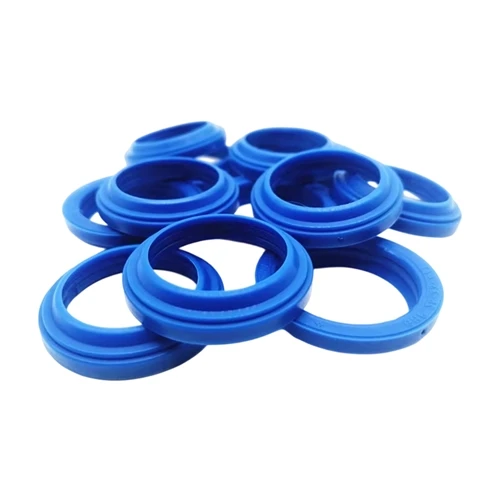
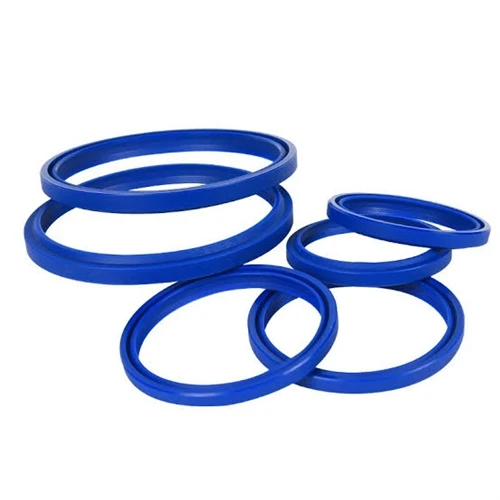
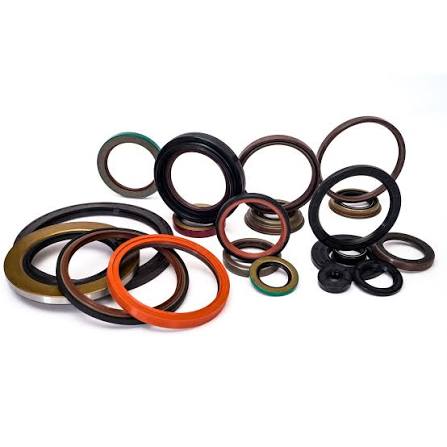
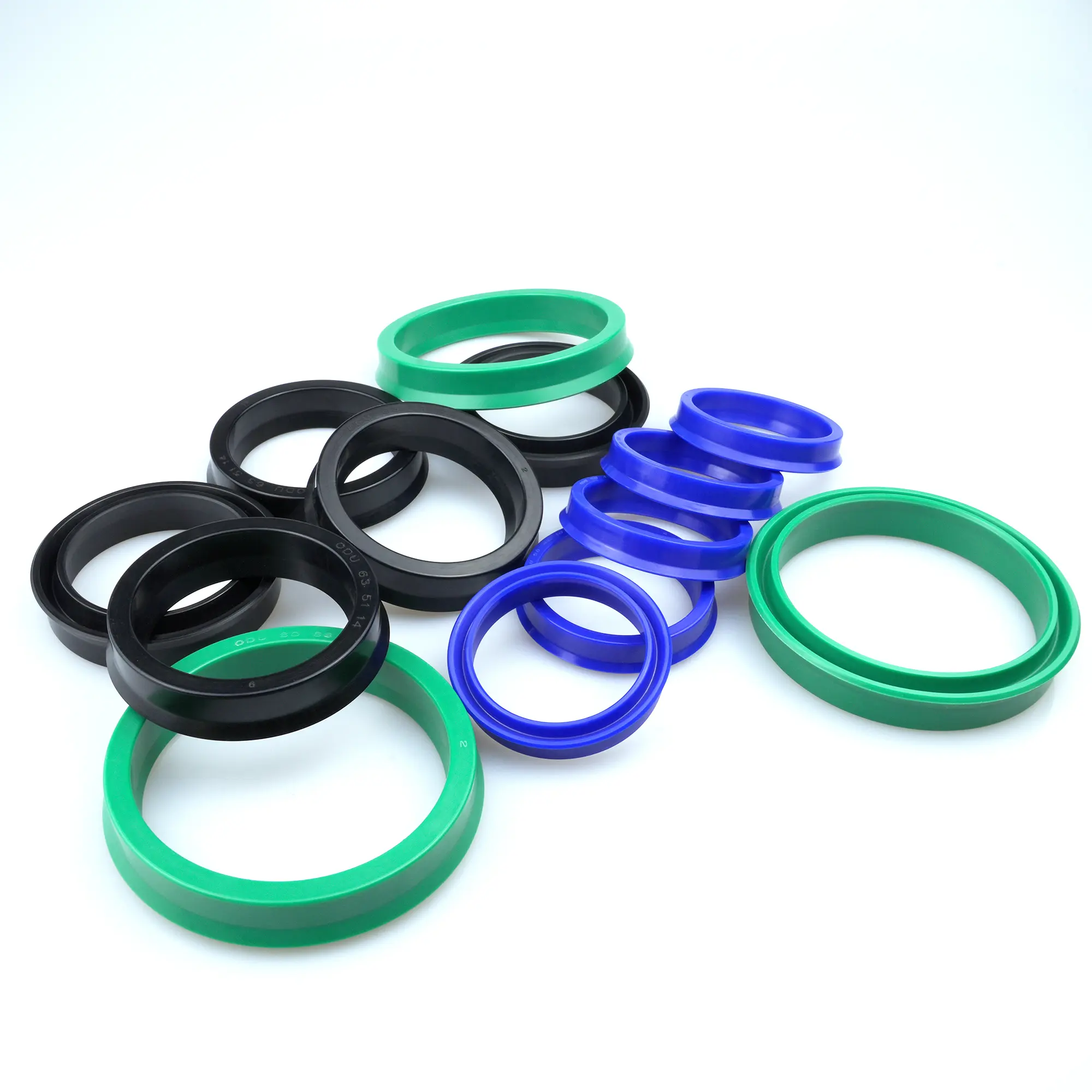
The landscape of Russia's heavy-duty truck aftermarket has shifted dramatically since Western manufacturers began withdrawing from the region. Brands that once dominated the sealing component supply chain have seen their distribution networks fracture, their warranty support evaporate, and their inventory pipelines run dry. Into this vacuum, Chinese oil seal manufacturers have moved with remarkable speed and strategic focus. What was once a gradual expansion of export sales has transformed into a decisive market repositioning, as Russian fleet operators, independent workshops, and even original equipment manufacturers turn to Chinese suppliers to keep their Kamaz, MAZ, and imported European trucks on the road. The humble oil seal has become an unlikely focal point in a broader realignment of Eurasia's commercial vehicle parts trade.
The Supply Chain Shock and Russia's Sealing Shortfall
When European sealing component producers suspended operations and exports, the immediate impact fell on the aftermarket supply of precision rubber shaft seal products that Russian heavy-duty fleets had relied upon for decades. A truck sidelined for want of a correctly sized rubber shaft seal represents lost freight revenue, delayed supply chains, and mounting repair backlogs. Russian distributors that once maintained deep inventories of branded European oil seal lines found themselves unable to source replacements. The rubber shaft seal shortage was particularly acute because heavy trucks use dozens of these components across engine, transmission, axle, and hub assemblies, and a single missing rubber shaft seal specification can immobilize an entire vehicle. Chinese manufacturers, already supplying domestic and Southeast Asian markets with rubber shaft seal products built to international standards, recognized the opportunity and accelerated their certification and logistics efforts.

Why the Oil Seal Became the Strategic Entry Point
Low-Risk, High-Volume Validation

Among all the components that a fleet or distributor might consider switching to a new supplier, the oil seal offers the most practical starting point. An oil seal is relatively low in unit cost but extremely high in consequence when it fails. If a fleet trials a Chinese-sourced oil seal in a non-critical position and it performs well across a full service interval, that success builds confidence for broader adoption. Over the course of a year, a single heavy truck can consume multiple oil seal replacements across wheel hubs, pinion seals, and crankshaft positions, making the oil seal a recurring revenue category that rewards reliable suppliers. Chinese oil seal exporters understood this dynamic and prioritized consistent quality, recognizing that each successful oil seal installation was a marketing event in itself.
Technical Parity with European Specifications
The notion that Chinese oil seal products represent inferior quality has eroded rapidly as Russian buyers conduct their own comparative testing. Modern Chinese oil seal manufacturing lines use the same fluoroelastomer and high-saturation nitrile compounds, the same precision molding equipment, and the same quality control protocols as their European counterparts. For a truck oil seal operating on the rear crankshaft of a Kamaz engine, the performance requirements are well understood and documented. Chinese truck oil seal designs have proven capable of meeting these specifications at a delivered cost that allows Russian distributors to maintain healthy margins while offering end users significant savings. The truck oil seal category, in particular, has become a beachhead for Chinese brands seeking to establish long-term distributor relationships across Russia's vast territory.
Oil Lip Seal Precision Wins Over Skeptical Fleet Managers
The oil lip seal is the heart of any dynamic sealing application, and it was the component that Russian fleet engineers scrutinized most closely when evaluating Chinese alternatives. The oil lip seal's carefully calculated lip angle, spring tension, and hydrodynamic groove pattern determine whether a hub runs dry for hundreds of thousands of kilometers or develops the slow weep that signals impending bearing damage. Chinese manufacturers invested heavily in demonstrating that their oil lip seal designs matched or exceeded the performance of the European parts they were replacing. Independent testing commissioned by Russian logistics companies showed that properly specified Chinese oil lip seal products delivered comparable service life at a fraction of the landed cost. For fleet procurement managers under intense pressure to control maintenance expenses while maintaining vehicle availability, these test results translated directly into purchase orders.

Directional Groove Technology Transfer
One technical area where Chinese oil lip seal manufacturers have particularly impressed Russian buyers is in directional hydrodynamic groove technology. The spiral grooves molded into the oil lip seal contact surface actively pump lubricant back toward the sump during rotation, provided the oil lip seal is installed according to the marked rotation direction. Chinese suppliers have been meticulous about providing clear installation markings and Russian-language technical documentation, addressing a common failure mode that historically plagued aftermarket oil lip seal replacements regardless of origin.
Metal Cased Oil Seals for Russia's Extreme Operating Conditions

Russian operating conditions are legendary for their severity. Winter temperatures that plunge far below freezing, summer heat that bakes exposed components, and roads treated with aggressive de-icing chemicals all punish sealing components relentlessly. A metal cased oil seals design offers distinct advantages in this environment. The rigid steel or stainless steel outer case maintains a stable interference fit in the housing bore despite extreme thermal cycling, resisting the tendency to loosen that can plague elastomer-coated designs when temperatures swing from overnight cold soak to full-load operating heat. Chinese manufacturers have recognized that the metal cased oil seals format is preferred for many Russian heavy-truck applications and have invested in expanding their metal cased oil seals production capacity accordingly. The metal cased oil seals arriving in Russian ports today feature corrosion-resistant case coatings and low-temperature elastomer formulations specifically developed for the Russian market.
Cold-Weather Sealing Performance
A metal cased oil seals destined for a Siberian mining truck must function at temperatures where standard elastomers become brittle. Chinese suppliers have developed metal cased oil seals with low-temperature fluoroelastomer lips that maintain flexibility and radial tension even when the mercury drops below minus forty degrees Celsius. The combination of a dimensionally stable metal cased oil seals outer shell and a cold-tolerant lip compound has proven effective in field trials across Russia's northern oil and gas regions, where equipment uptime during winter months directly impacts production targets.
Cassette Oil Seal Adoption in Contaminated Environments
Integrated Protection for Mining and Forestry
Russia's heavy truck fleet operates extensively in mining, forestry, and construction, where mud, water, and abrasive dust attack wheel-end seals continuously. The cassette oil seal, a pre-assembled unit containing a primary lip, hardened wear sleeve, and multiple exclusion barriers, has become the preferred upgrade for these severe-duty applications. Chinese cassette oil seal manufacturers have captured a growing share of this segment by offering designs that match the dimensional envelopes of European-brand cassette oil seal products, allowing direct drop-in replacement without hub modification. A Russian logging company retrofitting its fleet of timber trucks with Chinese cassette oil seal units reported that wheel-end oil leaks, previously a monthly maintenance headache, were virtually eliminated across an entire winter logging season.

Factory Grease Filling and Dry-Start Protection
One advantage of the cassette oil seal format that Chinese manufacturers have emphasized is the factory-filled grease cavity that protects the primary lip during initial startup. In remote Russian operations where a truck may be parked for weeks between assignments, this pre-lubrication prevents the dry-start lip scorching that can kill a conventional oil seal within seconds. Chinese cassette oil seal products arrive ready to install, with no need for the technician to add lubricant or handle separate wear sleeves, reducing the opportunity for installation errors in field conditions where workshop facilities are limited.
Wheel Oil Seal Supply Chains Reach Remote Russian Regions

The wheel oil seal is the highest-volume dynamic seal in any heavy truck fleet, replaced at every brake service or bearing repack. For Chinese oil seal exporters, the wheel oil seal category offered the fastest path to volume penetration across Russia's aftermarket. A wheel oil seal for a common axle model used on Kamaz or MAZ trucks can be stocked by distributors from Kaliningrad to Vladivostok, creating a consistent demand stream that supports local inventory investment. Chinese logistics networks, refined through years of supplying Central Asian and Caucasus markets, have proven capable of delivering wheel oil seal shipments to Russian regional warehouses with turnaround times that rival or beat the pre-sanctions performance of European suppliers. The wheel oil seal has become the catalog anchor that opens doors for Chinese suppliers to introduce their broader sealing product ranges.
Standardization Across Fleet Types
Russian fleet operators managing mixed inventories of domestic and imported trucks have gravitated toward Chinese wheel oil seal suppliers that can provide a single specification covering multiple vehicle brands. This standardization reduces the number of part numbers a fleet must stock and simplifies technician training. Chinese wheel oil seal catalogs now cross-reference European, Japanese, and Russian original equipment numbers, making it straightforward for a parts manager in Novosibirsk to identify the correct replacement.
The Distributor Partnership Model Driving Chinese Oil Seal Growth
Chinese oil seal manufacturers have avoided the mistake of trying to sell directly to end users across Russia's eleven time zones. Instead, they have invested in building relationships with established regional distributors who already own warehousing, logistics, and customer relationships. These partnerships give Chinese oil seal brands immediate access to local market knowledge and the trust that Russian repair shops place in their long-standing parts suppliers. In return, the distributors gain access to a reliable, cost-competitive oil seal supply that allows them to fill shelves that stood half-empty after European brands became unavailable. The distributor partnership model has proven particularly effective for the truck oil seal segment, where workshop loyalty to a trusted local supplier often outweighs brand preference for the component itself.

Long-Term Implications for the Russian Heavy-Duty Aftermarket

The influx of Chinese oil seal products into Russia is not a temporary stopgap; it represents a structural shift in the supply chain that will persist long after the geopolitical landscape evolves. Russian distributors have invested in cataloging systems, technician training materials, and warranty processes built around Chinese oil seal specifications. Russian fleet maintenance programs have accumulated tens of thousands of hours of operating experience with Chinese truck oil seal, rubber shaft seal, and cassette oil seal products, and that field data supports continued specification. While European sealing component manufacturers retain strong technical reputations, the combination of competitive pricing, reliable availability, and proven performance has given Chinese oil seal suppliers a durable foothold in one of the world's largest heavy-truck markets. As the commercial vehicle fleet in Russia continues to age and the demand for replacement sealing components grows, the Chinese oil seal industry is positioned to supply that demand with products that Russian buyers no longer view as alternatives, but as their standard choice.