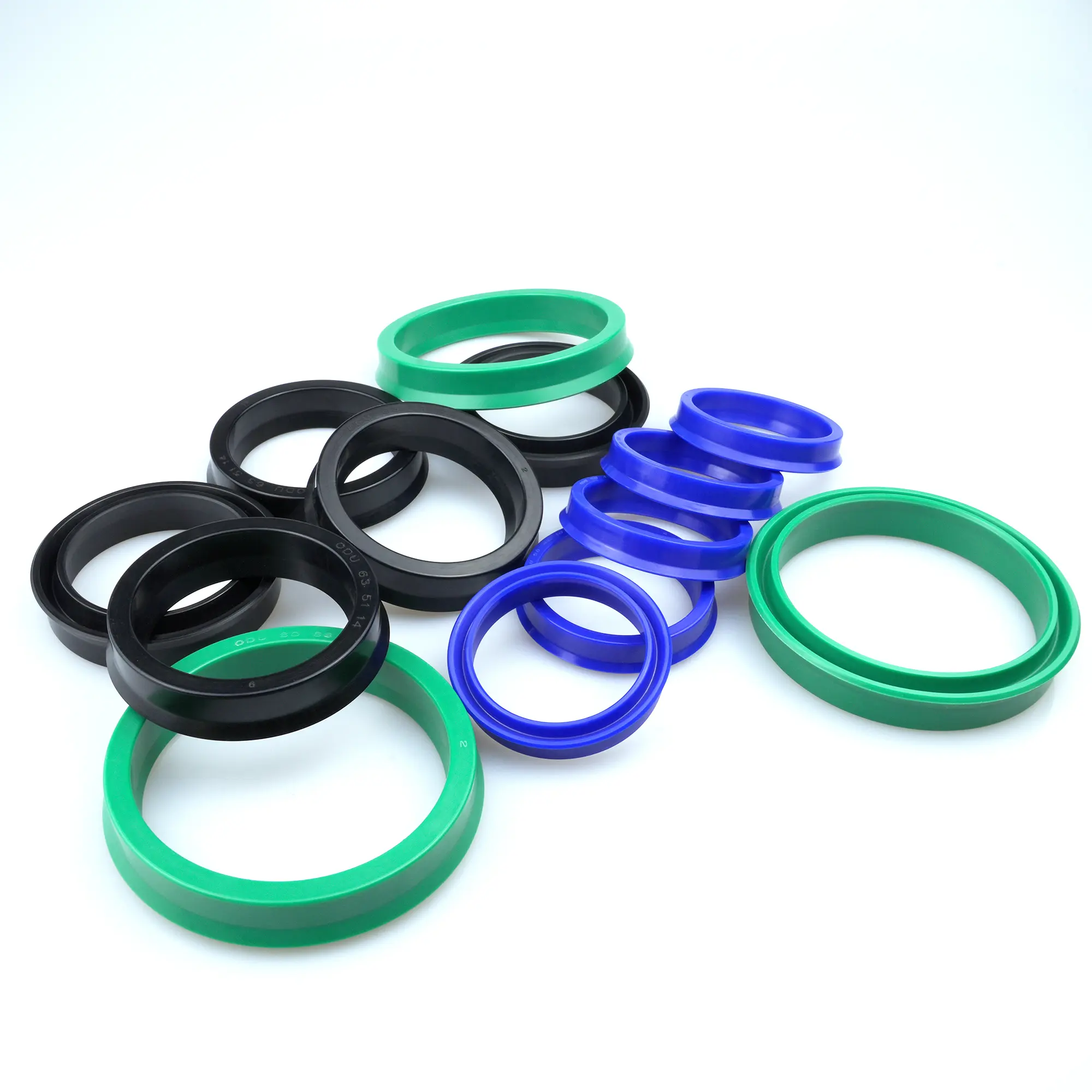
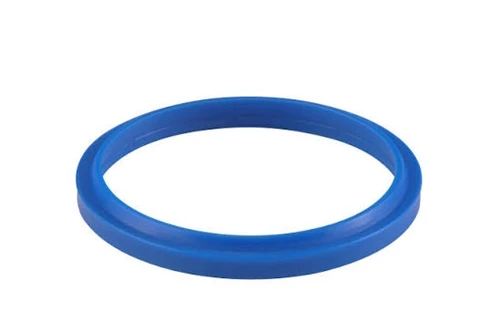
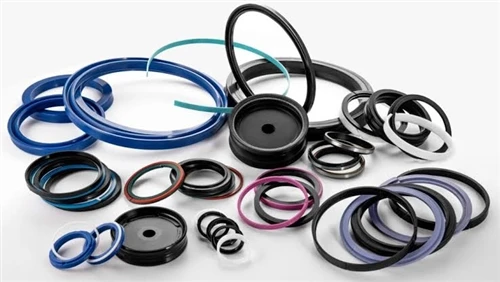
Decades of material science and geometric refinement have transformed rod seals from simple elastomeric rings into precision-engineered components that redefine hydraulic efficiency and durability
The hydraulic piston rod seal has undergone a remarkable transformation since the early days of fluid power, when simple leather packings and natural rubber U-cups were the only options available. Today, this critical component stands at the intersection of advanced polymer chemistry, precision machining, and tribological engineering, delivering levels of performance that would have seemed unattainable just a generation ago. The driving forces behind this evolution are clear: relentless pressure to reduce energy consumption, extend maintenance intervals, and improve the overall efficiency of hydraulic systems across construction, agriculture, mining, and industrial manufacturing.
The Friction Challenge
Friction in hydraulic rod seals has long been one of the most underestimated causes of inefficiency and premature failure. As hydraulic cylinders extend and retract, friction between the seal lip and the rod surface generates heat, consumes energy, and accelerates wear. In demanding applications-where cylinder cycles number in the millions-even small reductions in friction translate into significant energy savings and extended component life. Reducing friction in sealing components contributes directly to lower fuel consumption, reduced emissions, and improved equipment sustainability. This realization has driven seal manufacturers to explore new materials, innovative geometries, and advanced surface treatments.
The PTFE Revolution
The first major breakthrough came in the 1970s, when Busak+Shamban introduced the Turcon Stepseal-a proprietary PTFE-based material that revolutionized fluid sealing in cylinder applications. PTFE (polytetrafluoroethylene) offers the lowest coefficient of friction of any solid material, with values ranging from 0.05 to 0.10 compared to 0.3–0.5 for conventional elastomers. This dramatic reduction in friction, combined with an exceptionally wide operating temperature range of -200°C to +260°C, made PTFE-based rod seals the standard for high-speed and high-performance applications. The Turcon Stepseal quickly became the first choice for rod and single-acting cylinder sealing among design engineers at major cylinder manufacturers worldwide.
Continuous Refinement: The Stepseal 2K
The evolution did not stop there. Through ongoing research and development, the Stepseal has been further refined and improved. The latest iteration, Turcon Stepseal 2K, achieves new levels of cylinder sealing performance. Developed from the proprietary Turcon PTFE-based material, it offers a low coefficient of friction and performs over a wide range of operating temperatures. The new profile features a high-lift rear chamfer that achieves a hydrodynamic back-pumping effect, improving leakage control while reducing the load on the counter surface to increase overall extrusion resistance.
The advantages are substantial: high extrusion resistance suited to wide hardware clearances, low friction that increases performance and working life, stick-slip-free starting with no sticking even after shutdown, and high abrasion resistance for maximum operational reliability. Available in nine different compounds, the Stepseal 2K offers unsurpassed sealing security with all lubricating and non-lubricating hydraulic fluids, including zinc-free oils and water-based formulations. It operates at pressures up to 80 MPa (800 bar), speeds up to 15 m/s, and temperatures ranging from -45°C to 200°C.
Low-Friction Polyurethane Compounds
While PTFE dominates ultra-low-friction applications, polyurethane remains the industry standard for mobile hydraulics due to its superior abrasion resistance. Recognizing the need for reduced friction without sacrificing durability, manufacturers have developed special polyurethane formulations with built-in lubricants such as molybdenum disulfide (MoS₂) and graphite. These low-friction PU compounds offer lower friction than standard polyurethane while retaining excellent abrasion resistance, providing a cost-effective solution for moderately high-speed applications up to 1–2 m/s.
Hydrodynamic Seal Profiles and Reduced Squeeze
Beyond material innovation, seal geometry has evolved significantly. Modern rod seals often feature micro-grooves or wave patterns on the sealing lip that create a hydrodynamic pumping effect, actively returning oil to the system and maintaining a stable lubricating film at high speeds. This design innovation reduces friction and extends seal life by ensuring consistent lubrication even under challenging operating conditions.
Another critical advancement is the reduction of gland compression. High-speed rod seals now use less squeeze-typically 5–10% compared to 15–20% for standard seals-which significantly lowers friction and heat generation. Lower compression also reduces the risk of stick-slip motion, a phenomenon where high static friction followed by lower dynamic friction causes jerky cylinder movement.
The Role of Surface Finish
The evolution of rod seals has also highlighted the critical importance of mating surface quality. Research has shown that for the same seal, changing the rod coating can alter friction values by up to 43% for polyurethane seals and 27% for PTFE-bronze seals. For high-speed applications, rod surface finish requirements have become more stringent, with recommended Ra values of 0.1–0.2 μm-smoother than the standard 0.4 μm. This attention to surface quality ensures that the hydrodynamic lubricating film remains intact, minimizing friction and wear while maximizing seal life.
Quantifiable Performance Gains
The cumulative effect of these evolutionary advances is measurable and significant. Research into hybrid hydrodynamic-hydrostatic piston seals has demonstrated that friction and leakage can be reduced by approximately 41% and 67%, respectively. Such improvements translate directly into reduced energy consumption, lower operating temperatures, and extended component life. In demanding applications where seals must withstand millions of cycles, these gains represent substantial cost savings and improved equipment reliability.
Industry 4.0 and the Future
Looking ahead, the evolution of rod seals continues. In 2026, the sealing industry is rapidly shifting toward integrating predictive maintenance sensors with low-friction cylinder designs to monitor wear in real-time. The electrification of mobile machinery will continually push the demand for ultra-low-friction, energy-saving seal profiles. Smart sealing technologies-where sensors embedded in or near the seal provide continuous data on temperature, friction, and wear-are moving from concept to reality.
The Path Forward
The evolution of hydraulic piston rod seals from simple elastomeric rings to precision-engineered, low-friction, long-life components is a testament to the power of continuous innovation. Through advances in PTFE and polyurethane materials, hydrodynamic geometries, reduced compression designs, and improved surface finishes, today's rod seals deliver performance that was unimaginable decades ago. For equipment manufacturers and end-users alike, the message is clear: low friction and longer life are no longer trade-offs but complementary goals achieved through intelligent design and material science. As the industry continues to push toward higher pressures, faster speeds, and extended maintenance intervals, the evolution of the piston rod seal will remain at the forefront of hydraulic system efficiency and reliability.