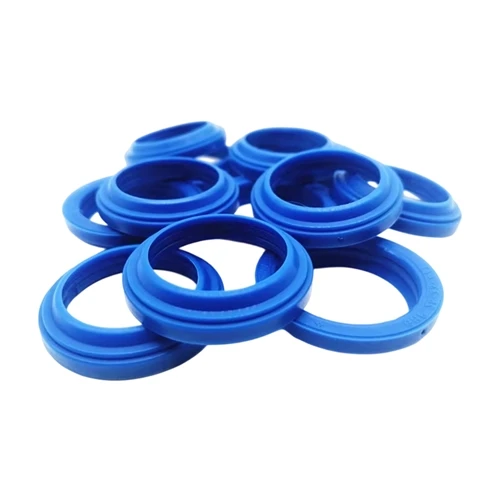
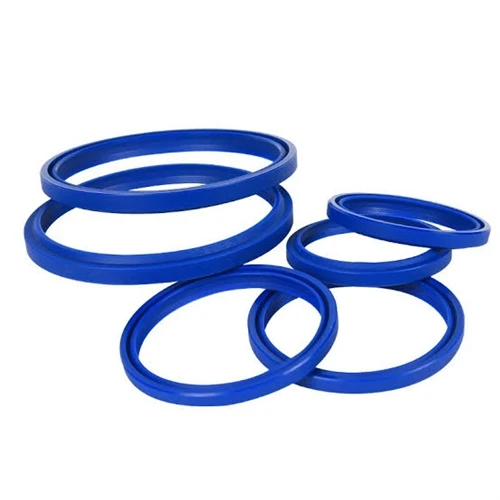
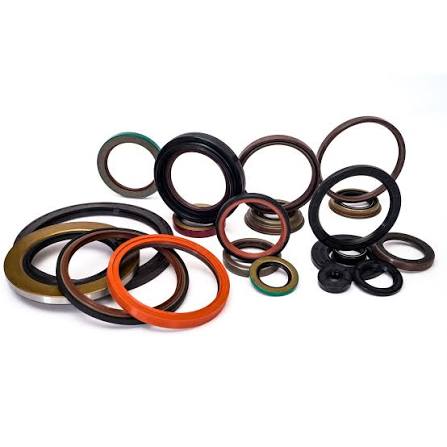
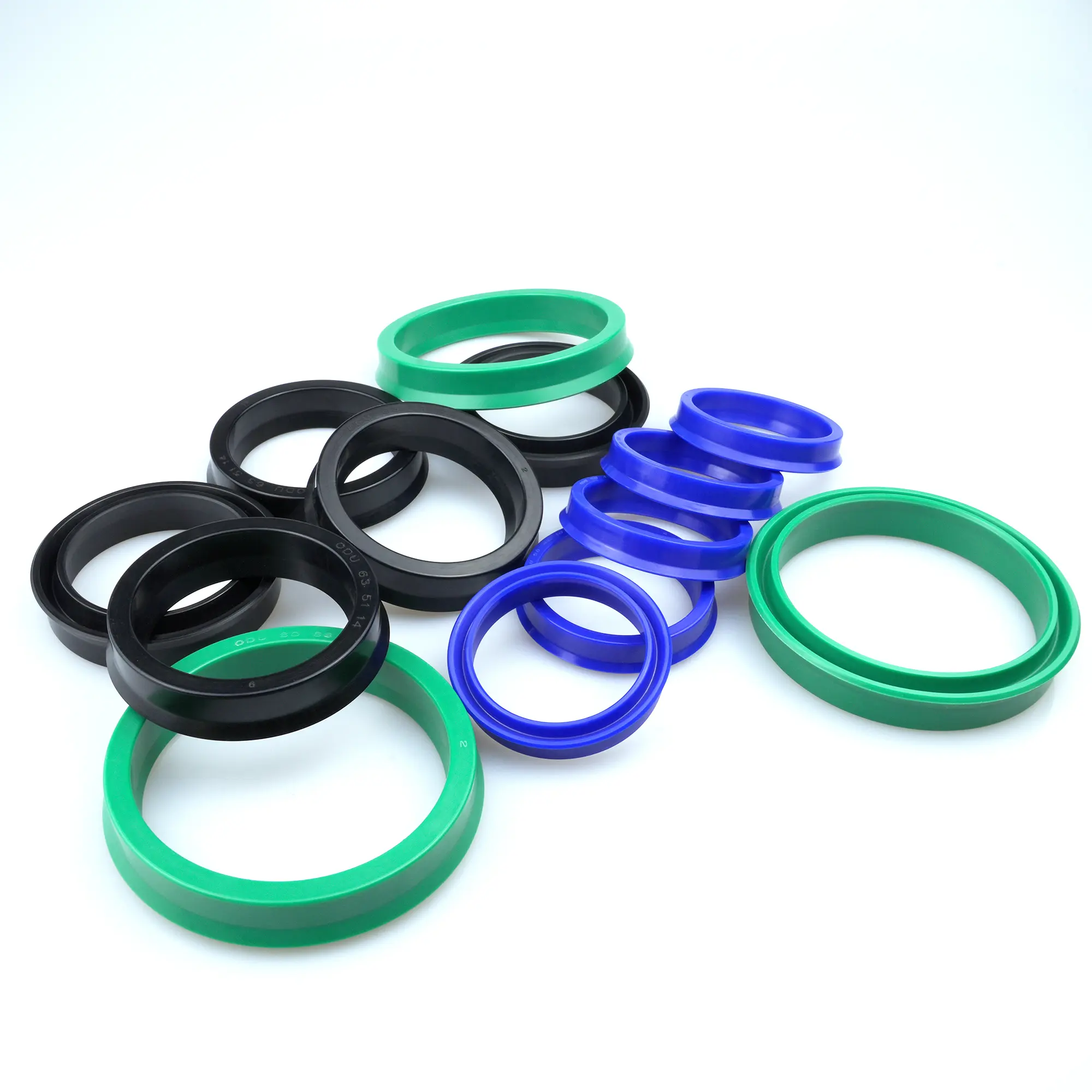
In the demanding environment of fluid power systems and heavy-duty machinery, maintaining equipment reliability is a constant operational challenge. Hydraulic cylinders operate under severe conditions, frequently exposed to abrasive dust, mud, moisture, and fine metallic particulates. Without adequate contamination control, these foreign elements infiltrate the system, scoring cylinder walls, degrading hydraulic fluid, and causing premature component failure.
At the center of effective contamination defense is the wiper seal. Also known as a scraper seal, this critical component plays an indispensable role in preserving the longevity and efficiency of industrial hydraulic infrastructure.
What is a Wiper Seal and How Does It Function?
A wiper seal is installed on the external groove of the hydraulic cylinder gland, positioned just ahead of the rod seal. Its primary mechanical function is to scrape away dirt, debris, ice, and fluid residue from the retracting piston rod during every stroke cycle, preventing contaminants from entering the inner hydraulic assembly.

As the rod extends and retracts, it inevitably collects environmental particles. If allowed to pass unhindered past the gland, these particles become trapped between the rod and the primary rod seal, acting as an abrasive compound under high pressure. By effectively cleaning the rod surface on the return stroke, wiper seals protect downstream components, preserve system pressure, and drastically reduce maintenance downtime.
Advanced Elastomer and Polymer Materials
Because operating conditions vary widely across industries-ranging from agricultural tractors in muddy fields to construction excavators and manufacturing presses-wiper seals must be fabricated from high-performance materials tailored to specific environmental demands.
Polyurethane (PU): Widely utilized for its exceptional mechanical strength, superior tear resistance, and excellent abrasion tolerance. Polyurethane wiper seals maintain a sharp scraping lip and deliver long service life under high-frequency cycles.
Nitrile Rubber (NBR): A cost-effective and versatile elastomer offering good resistance to mineral oils, petroleum-based hydraulic fluids, and general industrial wear across moderate temperature ranges.
Fluorocarbon Rubber (FKM): Engineered for extreme chemical exposure and high-temperature environments, FKM wiper seals resist aggressive fluids and thermal stress where standard elastomers fail.

Key Engineering Considerations for Procurement
When sourcing wiper seals for industrial maintenance or Original Equipment Manufacturer (OEM) assembly, technical leads and procurement managers evaluate several critical parameters:

Profile Geometry: Selecting between single-lip designs (focused strictly on scraping debris) and double-lip configurations (which feature a secondary sealing lip to capture any residual oil film passed by the primary rod seal).
Housing Compatibility: Ensuring accurate snap-in or metal-cased press-fit dimensions to prevent seal displacement during high-speed linear actuation.
Environmental Resistance: Matching the material durometer and chemical compatibility to the operating temperature spectrum and hydraulic fluid media.
Ensuring Long-Term System Reliability
Integrating high-quality wiper seals into hydraulic cylinders is a small investment that yields massive dividends in equipment uptime. By stopping contamination at the boundary layer, industrial operators protect their heavy machinery from catastrophic seal blowouts, costly fluid contamination, and unexpected operational halts.