Industry leaders unveil advanced sealing technologies designed to withstand crushing pressures, punishing temperatures, and relentless contamination in modern earthmoving machinery.
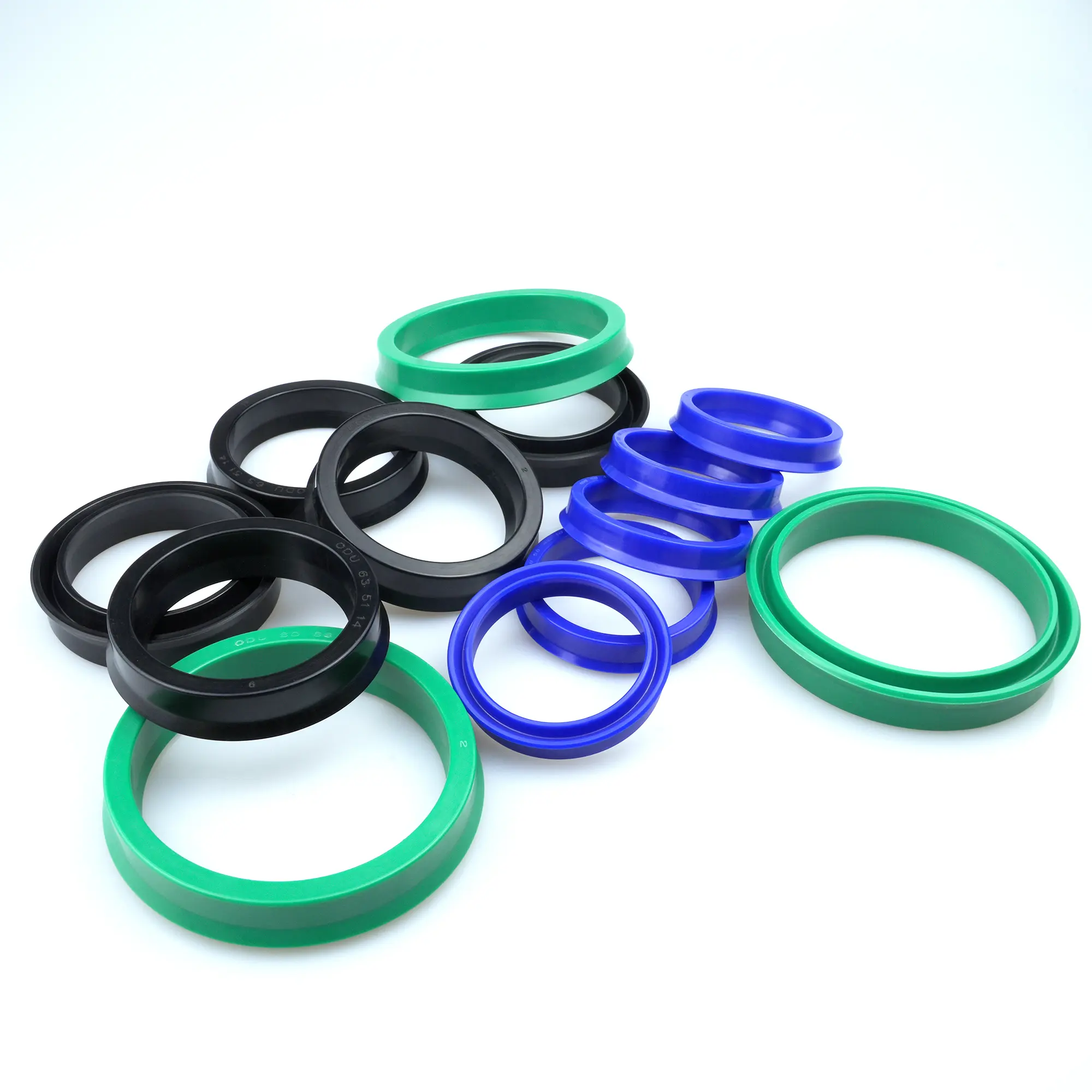
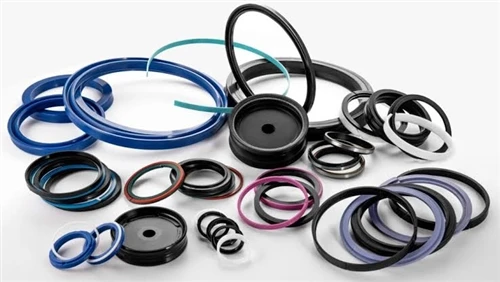
The construction equipment industry is witnessing a transformative wave of sealing technology, as manufacturers roll out next-generation hydraulic rod seals specifically engineered for the grueling demands of excavators, bulldozers, loaders, and mining haul trucks. These advanced seals represent a significant leap forward in durability, pressure resistance, and contamination exclusion – addressing the most persistent failure points in heavy-duty hydraulic systems.
The Extreme Environment Challenge
Modern construction and mining equipment operate under conditions that push conventional seals to their breaking point. Variable temperatures ranging from -45°C to +200°C, aggressive hydraulic oils, abrasive dust, and extended periods of continuous operation place seals and their tribological systems under relentless duress. Pressure spikes can momentarily exceed nominal ratings by 50-100%, while side loads from bucket digging and rock crushing introduce eccentric shaft movement that compromises seal integrity.
"The seals and hydraulic systems of any piece of mining, construction, or agricultural equipment operate under extreme conditions," notes a recent industry analysis. This reality has driven seal manufacturers to fundamentally rethink material science, lip geometry, and overall seal architecture.
Material Breakthroughs: The New Generation of Polymers
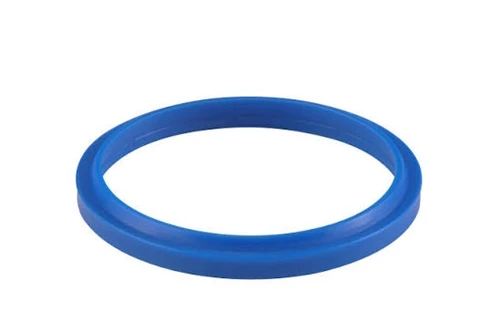
Perhaps the most significant advancement comes from polyurethane technology. Freudenberg Sealing Technologies has introduced 94 AU 30000, a new-generation polyurethane material that dramatically expands performance boundaries for heavy-duty applications. Test results indicate that this innovative compound withstands 45 percent more pressure than the best material in its class – 7,250 psi versus 5,000 psi – while tear strength under punishing conditions is 61 percent higher than other polyurethane materials. In comparison testing at 40 MPa and 100°C with large extrusion gaps, seals made from this material show no appreciable signs of degradation.
The material also offers exceptional thermal stability, performing effectively in mineral hydraulic fluids at temperatures ranging from -35°C up to 120°C, while demonstrating improved resistance to hydrolysis and compatibility with biodegradable fluids. This versatility allows equipment manufacturers to reduce inventory complexity by using a single seal material across multiple applications.
Nanocomposite Materials Enter the Arena
Next-generation nanocomposite materials are now offering up to 30 percent higher extrusion resistance than traditional polyurethanes, according to industry sources. This enhanced resistance allows for lighter, more compact cylinder designs without sacrificing sealing performance – a critical advantage as equipment manufacturers pursue weight reduction for improved fuel efficiency and payload capacity.
Advanced Seal Architectures
Beyond material innovations, seal geometry has undergone substantial refinement. Trelleborg Sealing Solutions has introduced its Stefa® High-Performance Radial Shaft Seal portfolio, engineered using finite element analysis (FEA) and advanced testing facilities. These seals successfully operate at pressures up to 20 MPa and speeds reaching 17 meters per second. The portfolio includes the HP20 series, featuring a patented self-balancing design geometry that automatically adjusts under high pressure, with a metal retainer that prevents lip extrusion and enhances heat dissipation. Since its 2010 introduction, millions of HP20 seals have been deployed worldwide.
The new HP20S solution targets high-torque, low-speed motor applications, operating at pressures up to 15 MPa and speeds of 5 MPS, with a spring-energized sealing lip that performs even without pressure. Even under reduced lubrication conditions, the HP20S excels, as integrated pads and channels improve lip lubrication during startup and higher shaft speeds.
For high-speed applications, the SPV seal offers extended service life and is optimized to manage pressure spikes and directional changes. It has been proven to withstand pressure peaks up to 2.5 MPa at speeds of 17 MPS, with customizable elastomer options including premium HNBR and FKM materials.
Cassette Seals: Integrated Protection for Hostile Environments
Another significant innovation comes in the form of cassette seals, which integrate multiple sealing lips, a protective metal casing, and an internal sleeve to create a robust barrier against contaminants while retaining lubricants. As Michael Cook, Global Segment Director Off-Highway at Trelleborg, explains: "Off-highway equipment faces mud, water and abrasive debris that can destroy conventional seals. Our Stefa® Cassette seals provide robust protection in these environments". By combining advanced sealing technology with durability and ease of installation, these designs help customers reduce downtime and extend service life.
Buffer Seals and Tandem Configurations
To address the destructive effects of pressure spikes common in construction equipment hydraulic systems, buffer seals have emerged as a critical component. Hallite's 653 buffer seal, for instance, protects rod seals from shock pressure loads and high-frequency pressure spikes, featuring a patented design that extends the lifespan and performance of sealing systems.
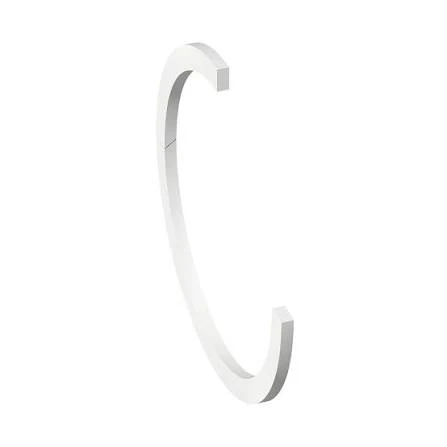
Tandem sealing systems – using a primary buffer seal paired with a secondary rod seal – are now highly recommended for extreme pressure systems to safely distribute the hydraulic load. This redundancy approach ensures that even if the primary seal experiences degradation, the secondary seal maintains system integrity until scheduled maintenance can be performed.
Surface Finish and Installation Considerations
Industry experts emphasize that even the most advanced seal materials will fail prematurely without proper surface finish and installation practices. Recommended rod surface finish for heavy-duty rod seal installations is Ra 0.2–0.8 µm with controlled waviness and no sharp machining marks. Rod hardness, commonly HRC 58–62, helps prevent abrasive embedding of contaminants. Properly sized grooves with controlled squeeze (typically 8–20% for elastomers) and backup rings placed on the low-pressure side are essential for preventing extrusion during peak loads and impacts.
Industry Showcase and Outlook
The significance of these advancements was underscored at CONEXPO-CON/AGG 2026 in Las Vegas, where leading seal manufacturers showcased their latest heavy-duty sealing solutions. Trelleborg, Hallite, and other industry leaders demonstrated technologies specifically engineered for the extreme duty cycles, higher speeds, and challenging operating conditions of modern off-highway equipment.
As construction equipment continues to evolve toward higher pressures, faster cycle times, and extended maintenance intervals, the role of next-generation hydraulic rod seals becomes increasingly critical. These advanced sealing technologies not only prevent catastrophic fluid loss and environmental contamination but also contribute to improved energy efficiency, reduced downtime, and lower total cost of ownership. For equipment operators and fleet managers, the message is clear: the new generation of hydraulic rod seals is built to handle the toughest jobs on earth.