Introduction

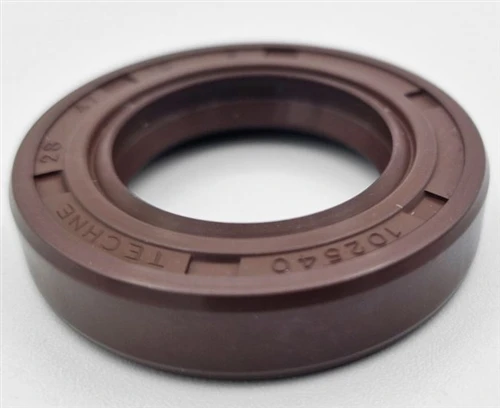
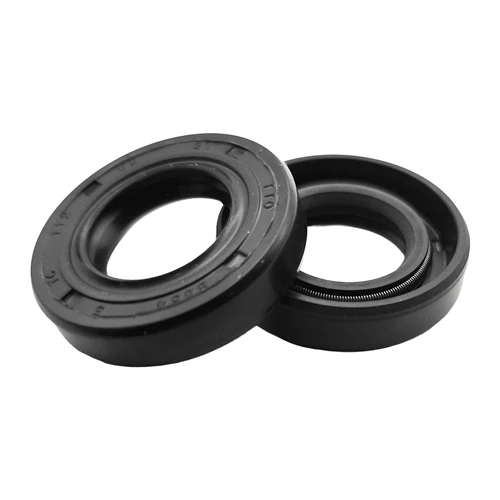
Engine longevity is not a matter of chance – it is the result of meticulous engineering and the use of OE‑quality components. Among these, powertrain seals play a pivotal role in retaining lubricants, excluding contaminants, and maintaining compression. When automotive oil seals degrade, oil consumption rises, friction increases, and catastrophic wear follows. This article examines fifteen critical sealing points – from crankshaft to differential – and explains how each contributes to engine durability and vehicle reliability over hundreds of thousands of miles.
Automotive Oil Seals: The Crankshaft Oil Seal at the Heart of the Engine
The crankshaft oil seal is one of the most heavily loaded seals in an engine. It seals the rotating crankshaft where it exits the front timing cover and the rear flywheel housing.
Front seal exposure to timing chain oil splash
It must resist high‑speed rotation and heat from the timing drive.
Rear seal vulnerability to clutch dust
In manual transmissions, clutch debris can abrade the lip if not properly shielded. For automotive oil seals, crankshaft seals are often made of fluorocarbon (FKM) to withstand oil temperatures up to 150°C. Replacing a weeping front seal during a timing belt service is a cost‑effective way to prevent oil contamination of the belt, which could otherwise cause sudden failure.

Automotive Oil Seals: Valve Oil Seals for Oil Consumption Control
Valve oil seals, also called valve stem seals, regulate the amount of oil entering the combustion chamber along the valve guide.
Umbrella and positive‑type designs
Umbrella seals deflect oil splashing off the valve stem, while positive seals wipe the stem directly.
Material resilience

They are typically made of FKM or polytetrafluoroethylene (PTFE) to resist exhaust heat and chemical attack from fuel blow‑by. For automotive oil seals, worn valve seals are a leading cause of blue exhaust smoke and increased particulate emissions. Replacing them during a cylinder head overhaul restores compression and reduces oil consumption by up to 30%, significantly extending catalyst life.
Automotive Oil Seals: Camshaft Oil Seals for Timing System Integrity
Camshaft oil seals are positioned at the ends of the camshaft, where they seal against the cylinder head or timing cover.
Variable valve timing (VVT) compatibility
Modern seals must accommodate phaser movement without leaking.
Lip interference optimisation
Excessive interference increases friction, while too little causes seepage. In automotive oil seals, camshaft seals often wear due to harmonic balancer vibrations transmitted through the timing belt. Regular inspection of the seal lip for hardening or cracking – visible as glazed appearance – can prompt early replacement, avoiding oil contamination of the timing belt tensioner.

Automotive Oil Seals: Transmission Oil Seals for Gearbox Output
Transmission oil seals are installed at the input, output, and selector shafts to retain gearbox lubricant.
Splash lubrication management
The seal lip must handle oil thrown from rotating gears without allowing foam or aeration.
Shaft surface hardness

A hardened shaft (≥HRC 55) reduces lip wear over millions of shifts. For automotive oil seals, the output shaft seal is particularly exposed to road debris, so a dust lip is essential. Replacing a weeping transmission seal promptly prevents low oil level, which can cause synchroniser wear and gear whine – both expensive repairs.
Automotive Oil Seals: Shock Absorber Seals for Ride Control
Shock absorber seals are dynamic rod seals that prevent hydraulic fluid from escaping the damper.
High‑pressure rod sealing
They experience rapid cycling and pressures up to 40 bar.
Scraper lip functionality
A primary lip retains oil, while a secondary scraper removes dirt from the piston rod. In automotive oil seals, shock absorber seals often use polyurethane for excellent abrasion resistance. Dampers with leaky seals produce a bouncy ride and reduced tyre contact; replacing them in pairs restores vehicle handling and braking stability.

Automotive Oil Seals: Power Steering Seals for Hydraulic Assistance
Power steering seals are used in the steering gear, pump, and rack assembly to contain pressurised fluid.
Low‑temperature sealing
They must function at sub‑zero temperatures when steering feels stiff.
Resistance to ATF (automatic transmission fluid)

The seal material must withstand the additives in power steering fluid. For automotive oil seals, pinion shaft seals in the steering rack are common failure points. Leaks here cause groaning noises and heavy steering. Early replacement, along with a fluid flush, restores steering feel and prevents pump cavitation.
Automotive Oil Seals: Wheel Hub Seals for Bearing Protection
Wheel hub seals, often cassette‑type, seal the bearing cavity from water and brake dust.
Labyrinth design
The tortuous path prevents contaminants from reaching the bearing even under high‑pressure washing.
Grease retention
They keep wheel bearing grease in place, preventing dry‑out. In automotive oil seals, hub seals also protect the ABS sensor ring from corrosion. Replacing hub seals during brake pad service is a prudent practice; a single compromised seal can lead to bearing failure within 10,000 miles, costing significantly more than the seal itself.

Automotive Oil Seals: Axle Seals and Pinion Seals in Final Drives
Axle seals prevent gear oil from leaking out of the axle housing at wheel ends, while pinion seals seal the pinion shaft entering the differential.
Axle seal's double‑lip construction
It provides both oil retention and dirt exclusion in a harsh underbody environment.

Pinion seal's preload sensitivity
The seal must not disrupt the pinion bearing preload; correct installation depth is critical. For automotive oil seals, pinion leaks often attract road dust, forming abrasive paste that damages the seal lip. Replacing pinion seals requires careful torqueing to avoid overloading the crush sleeve.
Automotive Oil Seals: Water Pump Seals for Coolant Containment
Water pump seals prevent coolant from leaking along the pump shaft.
Coolant‑to‑oil separation
The seal keeps coolant from mixing with engine oil, which would form a damaging emulsion.
Mechanical face seal design

A rotating face seals against a stationary carbon face, often spring‑loaded for constant contact. In automotive oil seals, water pump seals are typically non‑serviceable and require pump replacement. However, monitoring the weep hole for drips allows early detection; prompt replacement prevents overheating and cylinder head distortion.
Automotive Oil Seals: Differential Seals, Oil Pump Seals, and Timing Cover Seals
Differential seals control oil loss at side gears and pinion bearings; oil pump seals prevent pump inlet leaks; timing cover seals seal the front engine cover against the block.
Differential seal for hypoid oil
Must resist extreme‑pressure additives.

Oil pump seal in a high‑suction environment
Prevents air ingestion, which would aerate the oil.
Timing cover seal as a large‑diameter static seal
Often an O‑ring or formed rubber gasket. For automotive oil seals, timing cover leaks are common due to thermal cycling; using a sealant in addition to the gasket improves reliability.
Automotive Oil Seals: Transfer Case Seals and Other Automotive Seals
Transfer case seals are used in four‑wheel‑drive vehicles to retain lubricant in the chain‑driven transfer gearbox. Other automotive seals include those for turbocharger oil feed, oil cooler adapters, and vacuum pump ports.
Transfer case seal's multi‑shaft sealing
It seals both the input and output shafts in a compact housing.
Oil cooler adapter seal's crush tolerance
Must accommodate thermal expansion without leaking. Modern automotive oil seals increasingly use fluoroelastomers for universal resistance across a wider range of fluids. A holistic seal maintenance strategy – replacing all accessible seals during major services – reduces the risk of interdependent failures and extends engine longevity.

Conclusion

Engine longevity is inseparable from the condition of its automotive oil seals. From the crankshaft to the transfer case, each seal – whether a crankshaft seal, valve seal, camshaft seal, or differential seal – performs a specific role in preserving lubricant integrity, excluding harmful contaminants, and maintaining proper pressure. Choosing OE‑quality replacements and adhering to correct installation procedures (correct tooling, proper lubrication, and torque specifications) ensures that the engine and drivetrain achieve their designed service life. In the end, a seal is a small component with an outsized impact on vehicle reliability and owner satisfaction.
Understanding the critical role of OE-quality powertrain seals in Engine Longevity is just the beginning of our commitment to engineering excellence. To truly master component reliability, one must consider the diverse challenges across various sectors. We invite you to explore our Industries hub, which categorizes our specialized expertise into four foundational pillars:
Fluid Power & Hydraulic Sealing
Rotary Shaft & Wheel Hub Sealing
Static Sealing & Precision Fittings
Engine Powertrain Sealing Solutions
Whether you are navigating complex hydraulic systems or optimizing powertrain efficiency, our insights are tailored to meet these unique technical demands. Discover how our comprehensive solutions drive performance and durability across these essential sectors.