Introduction
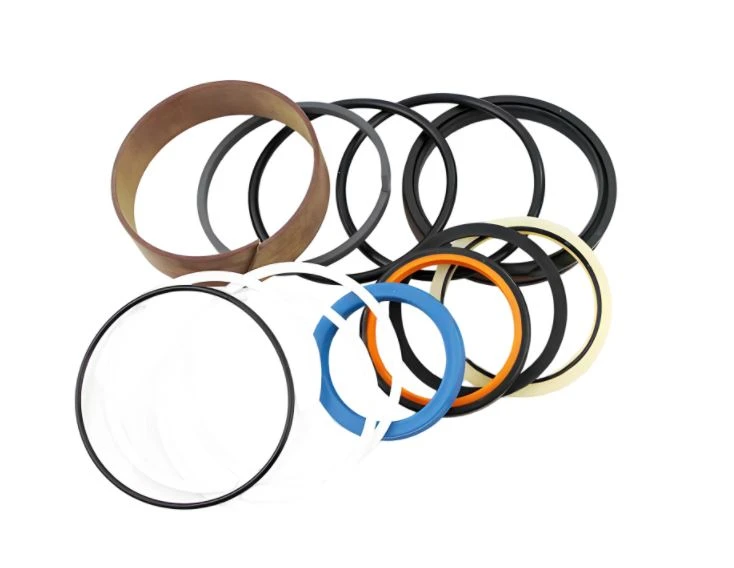
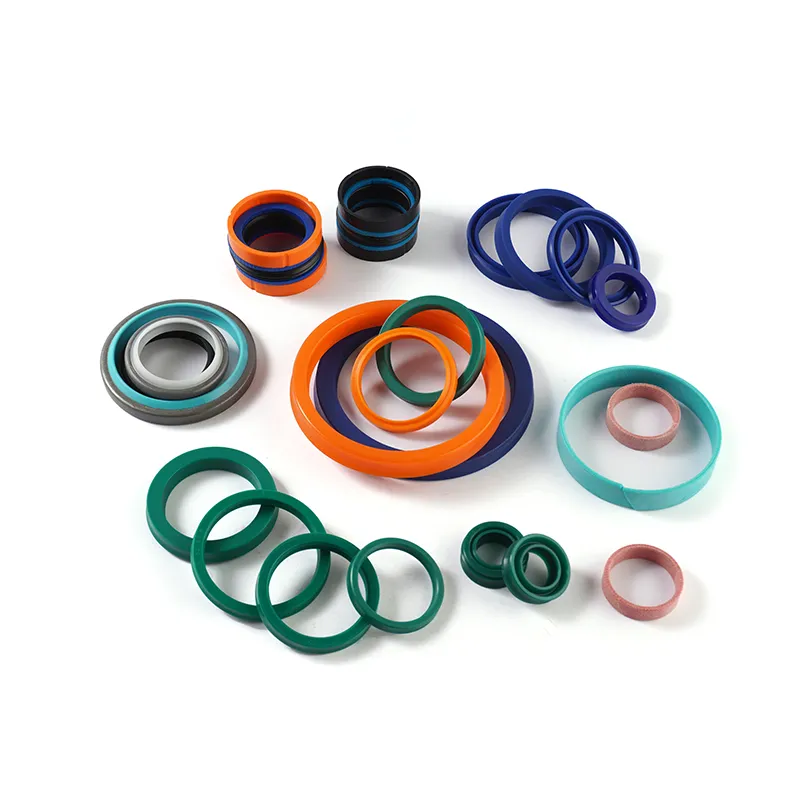
Hydraulic systems are the lifeblood of industrial machinery, from excavators to injection moulding presses. Their efficiency depends on converting fluid pressure into linear or rotary motion with minimal losses. However, internal leakage, friction, and contamination can reduce system efficiency by up to 30%. High‑performance sealing is the decisive factor that separates an economical hydraulic system from an energy‑wasting one. This article examines key sealing elements – rod seals, piston seals, wiper seals, V packing, buffer seals, guide strips, wear rings, and back‑up rings – and how each contributes to hydraulic efficiency and long‑service reliability.
Hydraulic Seal Fundamentals: The Rod Seal in Actuator Extension
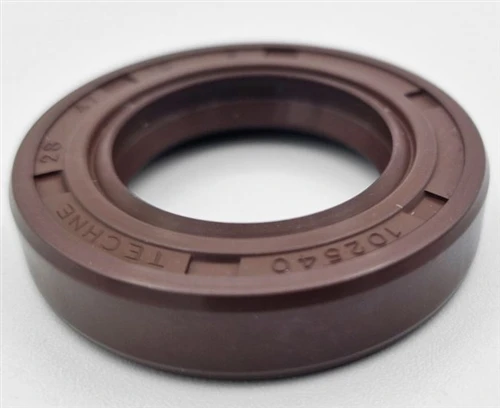
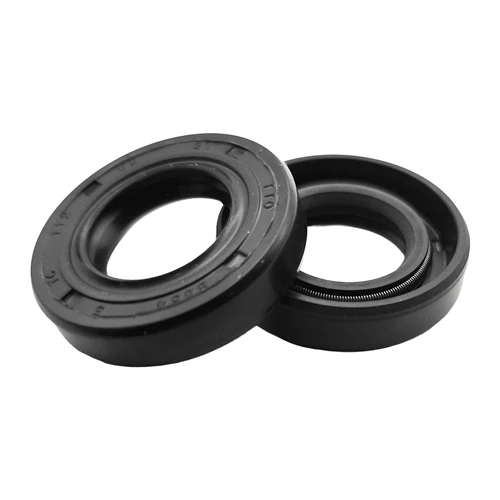
The rod seal is the most visible and critical seal in any hydraulic cylinder. It prevents pressurized fluid from escaping along the reciprocating piston rod. Unlike static seals, rod seals must accommodate sliding motion, pressure cycling, and temperature variations.
Dynamic lip geometry
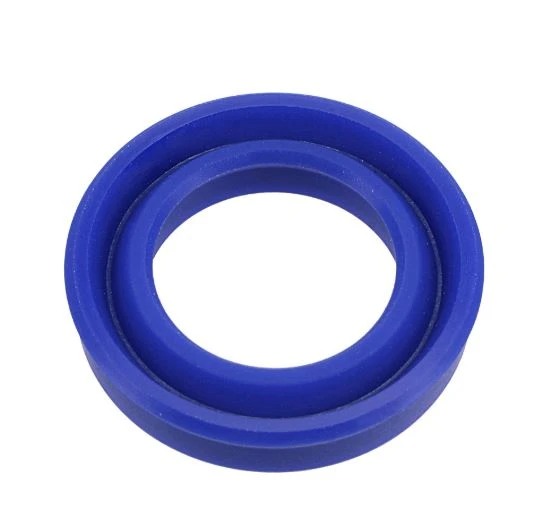
Modern rod seals feature a U‑cup profile with an asymmetrical lip design that promotes hydrodynamic oil film formation, reducing friction.
Energizer selection
An O‑ring or square‑ring energizer maintains contact pressure even when system pressure is low, preventing drool leakage. For hydraulic seal applications in mobile machinery, polyurethane rod seals offer excellent abrasion resistance against dust and side loads. Regular inspection of the rod surface for scratches or pitting is essential; even minor damage can compromise the rod seal's performance.
Hydraulic Seal Function: The Piston Seal for Cylinder Isolation
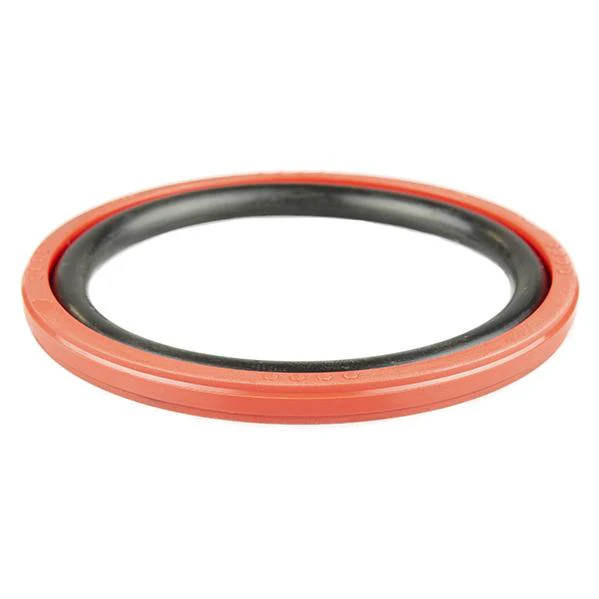
The piston seal divides the cylinder into two chambers, allowing differential pressure to move the piston. It must seal bidirectionally and withstand high pressure differentials without excessive friction.
Double‑acting capability
Most piston seals are designed as symmetrical or stepped profiles to seal in both directions, essential for double‑acting cylinders.
Anti‑extrusion rings
In high‑pressure hydraulic seal systems, piston seals are often paired with back‑up rings to prevent extrusion through the clearance between piston and bore. Materials like filled PTFE or glass‑reinforced nylon provide low friction and high wear resistance. For hydraulic seal performance in press applications, choosing a piston seal with controlled leakage can actually reduce stick‑slip, improving motion smoothness.
Hydraulic Seal Protection: The Wiper Seal Excluding Contaminants
Wiper seals, also known as scraper seals, are mounted at the cylinder head to clean the rod surface during retraction. They prevent dirt, water, and debris from entering the cylinder, which would otherwise damage the rod seal and bore.
Wiper lip design
A single lip wiper handles light dust, while a double lip with a grease reservoir offers protection in harsh environments like mining or forestry.
Material hardness

Wiper seals are typically made of polyurethane or nitrile with a higher durometer (90‑95 Shore A) to effectively scrape adherent particles without damaging the rod. For hydraulic seal systems in off‑highway equipment, wiper seals are often replaced every second rod seal change because they degrade from UV exposure and ozone. Proper wiper selection can extend rod seal life by up to 40%.
Hydraulic Seal Alternatives: V Packing for Specialised High‑Pressure
V packing, or V‑ring packing, consists of multiple stacked V‑shaped rings that are compressed axially to seal radially. It is used in heavy‑duty hydraulic seal applications where extreme pressures and large rod diameters are involved.
Stack arrangement
A typical set includes one female adapter, several V‑rings, and one male adapter; the number of V‑rings determines the sealing capacity.
Self‑compensation
As the V‑rings wear, additional axial compression can restore sealing, making V packing a long‑lived hydraulic seal solution for presses and injection moulding machines. However, friction is higher than with U‑cup seals, so they are only chosen when pressure exceeds 400 bar. Correct lubrication of the stack during assembly prevents premature scoring of the rings.

Hydraulic Seal Refinement: The Buffer Seal for Pressure Spikes
Buffer seals are positioned immediately behind the rod seal in high‑pressure cylinders. They absorb the initial pressure shock, reducing the stress on the main rod seal.
Pressure reduction function
By allowing a controlled pressure drop across the buffer, the main seal experiences only a fraction of the peak pressure, significantly extending its fatigue life.
Compact design

Buffer seals are usually thinner than primary seals and can be made from polyether ether ketone (PEEK) or high‑strength polyurethane. For hydraulic seal systems in hydraulic hammers and shears, buffer seals have proven to double the service interval of the rod seal. They also act as a secondary barrier, providing redundancy in case the primary seal leaks.
Hydraulic Seal Positioning: Guiding Components and Guide Rings for Alignment
Guide rings, also called wear rings, are essential guiding components that prevent metal‑to‑metal contact between the piston/rod and the cylinder bore. They absorb radial loads and keep the sealing elements centred.
Friction and load balance
Guide rings made of filled PTFE or phenolic fabric offer low friction while carrying heavy side loads.
Groove geometry
The guide ring's cross‑section (rectangular or trapezoidal) affects its load capacity and oil film retention. For hydraulic seal systems in long‑stroke cylinders (e.g., telescopic booms), multiple guide rings are installed at intervals to maintain alignment under bending loads. Replacing guide rings before they wear completely protects the cylinder bore from scoring, a common cause of premature hydraulic seal failure.

Hydraulic Seal Precision: Guide Strips for Compact Cylinders
Guide strips are similar to guide rings but are used as narrow, strip‑shaped elements that are inserted into shallow grooves. They are commonly found in compact hydraulic seal designs where space is limited.
Easy installation
Guide strips can be snapped into place without special tools, reducing assembly time.
Thermal expansion tolerance

Materials like glass‑filled nylon accommodate temperature changes without seizing, a key advantage for hydraulic seal systems in injection units where temperatures vary. Guide strips are also used in servo cylinders for precision control, where even minor misalignment can affect positional accuracy. Their low friction coefficient contributes to overall hydraulic efficiency by reducing breakout pressure.
Hydraulic Seal Reinforcement: Back‑Up Rings Preventing Extrusion
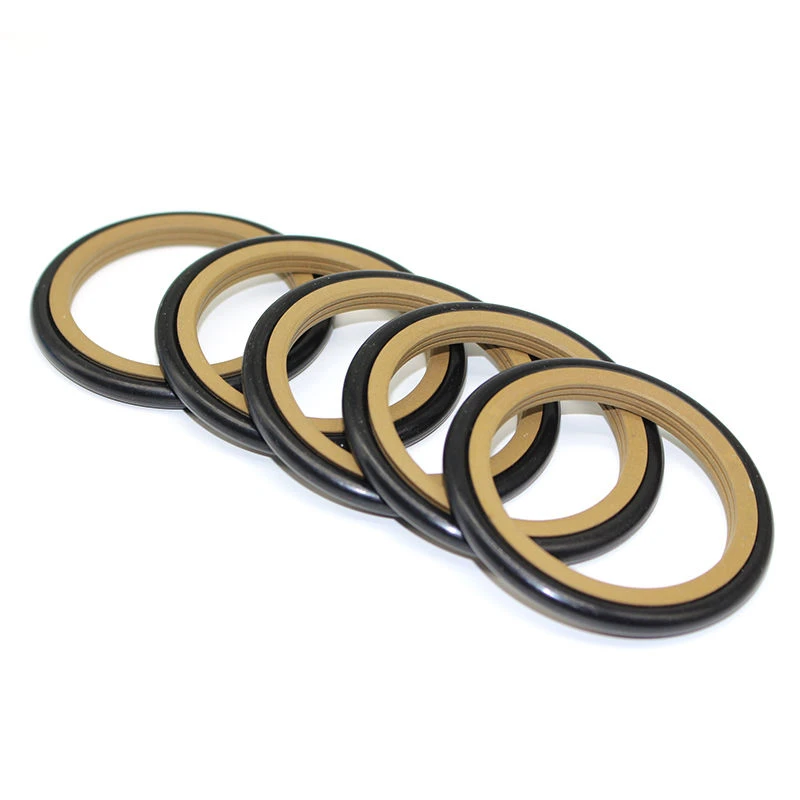
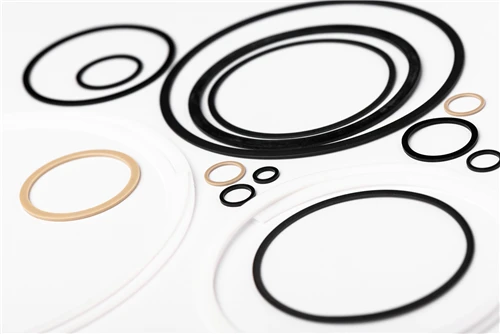
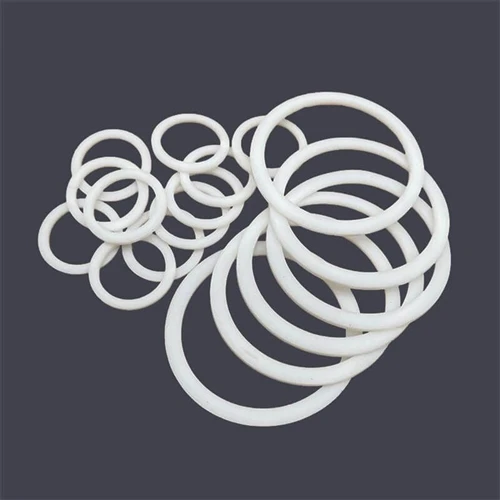
Back‑up rings are rigid components that support primary seals by filling the clearance between the seal and the groove wall. They prevent elastomeric seals from extruding into the clearance under high pressure.
Spiral vs. solid design
Spiral back‑up rings are easier to install in closed grooves, while solid rings offer better support in open grooves.
Material choices
Polyether ether ketone (PEEK) is preferred for high‑temperature hydraulic seal systems, while PTFE is suitable for standard conditions. In hydraulic seal applications with pressure reversals, installing a back‑up ring on both sides of the O‑ring provides bidirectional protection. Although inexpensive, back‑up rings are indispensable; omitting them is the leading cause of premature O‑ring failure in high‑pressure circuits.

Hydraulic Seal Integration: Combining Rod, Piston, Wiper, Buffer, and Guides
A single hydraulic cylinder may contain all the sealing elements discussed – rod seal, piston seal, wiper seal, buffer seal, and guide rings. Their synergistic design is key to hydraulic seal system efficiency.
Systematic assembly order
Installing components in the correct sequence prevents seal distortion.
Lubrication during installation

Applying a thin coat of clean hydraulic fluid reduces initial friction and prevents dry run damage. For hydraulic seal retrofits, matching the seal material to the operating fluid is paramount; even minor incompatibilities can cause swelling or shrinkage. Combining a robust rod seal with a responsive buffer seal and wear‑resistant guide rings ensures that the cylinder delivers maximum force with minimum internal bypass.
Hydraulic Seal Maintenance: Wear Ring and Back‑Up Ring Inspection
Preventive maintenance of hydraulic seal systems should include regular checks of wear rings and back‑up rings, as they often wear before the primary seals fail.
Measuring radial clearance
Increased clearance indicates wear ring degradation; replacing wear rings at this stage prevents gland damage.
Back‑up ring condition
Any distortion, cracking, or flattening of back‑up rings signals imminent extrusion risk. For hydraulic seal reliability in mobile equipment, scheduling inspections every 1000 operating hours is a proven practice. Oil analysis can also detect elevated metal particles, which point to wear ring or guide strip wear. Early intervention reduces repair costs and avoids catastrophic cylinder failure in the field.


Conclusion

Hydraulic efficiency is not solely determined by pump flow or valve design – it is profoundly influenced by the quality and condition of every sealing component. From rod seals that retain pressure to wiper seals that exclude contaminants, and from guide rings that maintain alignment to back‑up rings that prevent extrusion, each part plays a vital role. Investing in high‑performance hydraulic seal systems and adhering to disciplined maintenance schedules directly translates to reduced energy consumption, longer component life, and higher productivity. In the pursuit of hydraulic excellence, seals are not merely accessories – they are enablers of performance.
Maximizing Hydraulic Efficiency through High-Performance Sealing is vital for maintaining fluid power consistency and minimizing energy loss in your equipment. However, reliable operation requires a comprehensive understanding of the entire machine's sealing architecture. We invite you to explore our Industries hub, where we organize our specialized expertise into four foundational pillars: Fluid Power & Hydraulic Sealing, Rotary Shaft & Wheel Hub Sealing, Static Sealing & Precision Fittings, and Engine Powertrain Sealing Solutions. Whether you are optimizing hydraulic circuits or addressing broader powertrain needs, our curated technical resources are designed to provide the precise, high-durability solutions your applications demand.