Introduction

Long‑haul trucking and bus fleets operate under relentless schedules, covering thousands of miles through varying climates and road conditions. The difference between a profitable route and a costly breakdown often lies in the smallest components – seals. For heavy‑duty transport, sealing reliability directly affects uptime, maintenance budgets, and driver safety. This article examines how five sealing families – O‑rings, cassette seals, rotary seals, back‑up rings, and combi seals – each contribute to durable performance in demanding applications, while addressing overlooked factors like thermal cycling endurance and contamination ingress.
Heavy‑Duty Transport O‑Rings for Fluid Power and Fuel Circuits
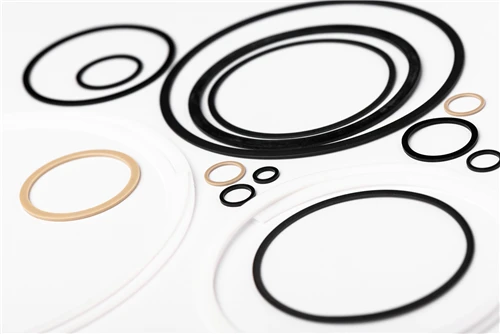
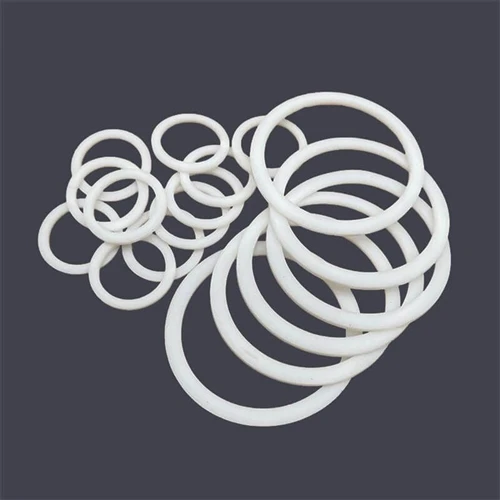
O‑rings are the most common sealing element in truck and bus powertrains, found in fuel injectors, hydraulic valves, and coolant connections. Their simple geometry belies complex requirements: they must resist fuel blends, high‑pressure spikes, and temperature swings from cold starts to desert heat.
Material selection for diesel compatibility

Nitrile (NBR) offers good oil resistance, but fluorocarbon (FKM) is preferred for biofuels and higher temperatures. Groove fill and squeeze – an underfilled groove invites extrusion, while over‑squeeze accelerates compression set. In brake systems, O‑rings must maintain sealing even under vacuum, preventing air ingress that softens pedal feel. Regular fleet inspections often reveal O‑ring hardening or cracking – early replacement avoids unplanned downtime. For heavy‑duty transport, choosing the correct durometer (typically 70–90 Shore A) balances flexibility with pressure resistance, extending service intervals between overhauls.
Heavy‑Duty Transport Cassette Seals for Wheel‑End Protection
Cassette seals are pre‑assembled units that combine a sealing lip, a labyrinth, and a protective cover, making them ideal for wheel hubs and axle ends. Their modular design simplifies installation and reduces the risk of damage during fitting – a significant advantage for fleet maintenance shops.
Labyrinth effect against mud and water
The tortuous path prevents abrasive particles from reaching the main lip, which is critical for off‑highway segments of long‑haul routes. Lip material and spring tension – the garter spring maintains consistent radial load, compensating for minor shaft wear over millions of revolutions. Cassette seals also incorporate an integral wear sleeve, so a scored shaft surface does not compromise sealing. For heavy‑duty transport, these seals extend bearing life by keeping lubricant clean and moisture‑free, directly translating to fewer wheel‑end failures and lower roadside assistance calls.

Heavy‑Duty Transport Rotary Seals for Transmission Output Shafts
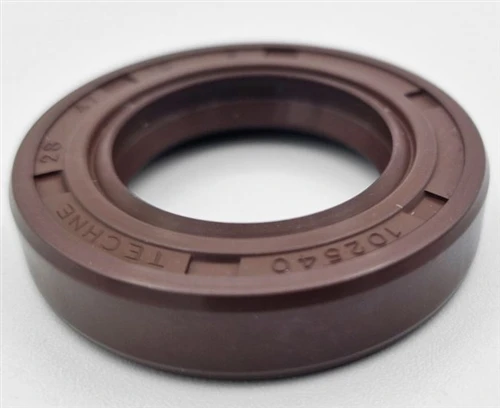
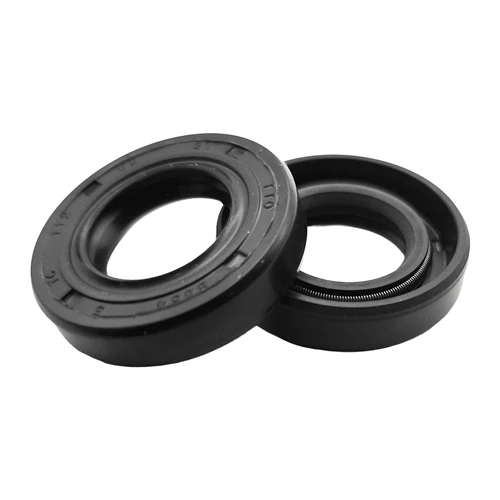
Rotary seals, often called oil seals, are essential where rotating shafts exit transmission housings. They retain gear oil while excluding road spray and dust. In heavy‑duty transport, transmission temperatures can exceed 120°C, and shaft speeds vary from idle to over 3000 RPM.
Pumping lip dynamics

The helical ridges on the sealing lip create a slight pressure gradient that pushes oil back into the sump, reducing leakage even during high‑speed cruising. Fluoroelastomer advantages – for modern synthetic lubricants with extreme‑pressure additives, FKM rotary seals resist chemical degradation better than traditional nitrile. Additionally, the sealing edge must accommodate radial runout and shaft misalignment without excessive wear. Fleet data shows that replacing rotary seals at scheduled intervals prevents gear oil starvation, which is a common precursor to transmission bearing spalling. For heavy‑duty transport, a robust rotary seal design also reduces parasitic drag, contributing marginally but measurably to fuel economy over annual mileage.
Heavy‑Duty Transport Back‑Up Rings in High‑Pressure Hydraulic Systems
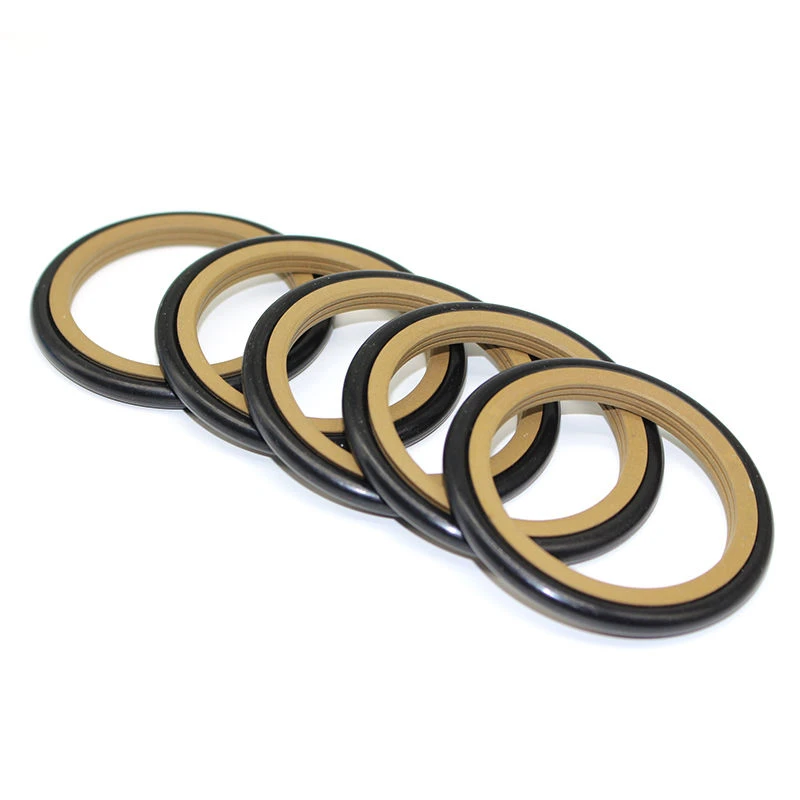
Back‑up rings are not seals themselves but are indispensable companions to O‑rings and other elastomeric seals. They prevent extrusion through radial clearances when pressures exceed 200 bar, a typical scenario in steering and suspension hydraulics for trucks and buses.
Antiextrusion geometry
The back‑up ring's sharp edge or scalloped design blocks the elastomer from flowing into the gap. Material hardness and friction – usually made of PTFE or PEEK, back‑up rings must be hard enough to resist deformation but smooth enough to avoid scoring mating surfaces. In telescopic shock absorbers, back‑up rings support the main O‑ring during jounce and rebound cycles, ensuring consistent damping. For heavy‑duty transport, using back‑up rings in hydraulic cylinders reduces seal blow‑out risk, which is particularly important when hauling heavy loads on uneven terrain. Their low‑cost benefit is amplified by the expensive downtime they prevent.

Heavy‑Duty Transport Combi Seals for Gearbox and PTO Interfaces
Combi seals, also known as combination seals, integrate a primary sealing lip with a secondary dust lip and often a metal casing. They are designed for applications where both oil retention and contaminant exclusion are equally critical, such as power take‑off (PTO) units and auxiliary drive splines.
Dual‑lip synergy

The main lip handles internal pressure, while the secondary lip wipes away external grime, prolonging the service life of both. Installation depth control – because combi seals are compact, proper seating depth is vital to avoid lip distortion; many fleets use a simple depth gauge tool. In heavy‑duty transport, combi seals are favored in steer axles where steering articulation causes lateral shaft movement. Their robust construction withstands the torsional vibration common in diesel drivelines. Fleet managers report that combi seal replacements, when done preventively every 300,000 miles, virtually eliminate oil leaks from PTO mounts, a frequent source of chassis contamination and MOT failures.
Heavy‑Duty Transport O‑Rings in Pneumatic Brake Valves
Air brake systems are the backbone of heavy‑truck safety, and O‑rings are the primary sealing elements in relay valves, quick‑release valves, and brake chamber actuators. These O‑rings must operate in dry, unlubricated air, where stick‑slip can cause erratic valve response.
Friction‑reducing additives
O‑ring compounds often include graphite or molybdenum disulfide to lower the coefficient of friction, enabling smooth spool movement. Hardness for low‑pressure sealing – softer compounds (60 Shore A) seal better at low pressures, but they may extrude at higher pressures; a balance is struck using backup rings. In winter conditions, moisture in the air lines can freeze, but O‑rings maintain their elasticity down to ‑40°C when properly specified. For heavy‑duty transport, regular leak‑down tests on brake circuits help identify O‑ring degradation before it affects stopping distance. A simple replacement of an O‑ring in a foot valve can restore brake responsiveness, a direct safety gain.

Heavy‑Duty Transport Cassette Seals for Drive Shaft Support Bearings
Drive shaft centre bearings often employ cassette seals to protect the bearing from driveline splashing oil and road water. These seals are exposed to high rotational speeds and variable angles due to suspension articulation.
Lip orientation and drainage

Some cassette designs include a drainage port to expel any water that penetrates the labyrinth, preventing internal corrosion. Grease compatibility – for grease‑packed bearings, the cassette seal must not react with the lithium‑based grease, which could cause swelling or softening. In heavy‑duty transport, worn cassette seals on drive shafts allow grease to escape, leading to bearing rumble and eventual shaft separation – a catastrophic failure. Proactive replacement during clutch or transmission service is a cost‑effective habit. The cassette's one‑piece nature also reduces assembly errors, a common concern in fleet workshops where multiple technicians work on different shifts.
Heavy‑Duty Transport Rotary Seals for Engine Front Covers
The crankshaft front cover seal is a rotary seal that controls oil seepage from the timing case. It experiences severe thermal cycling and frequent starts, yet it must maintain a perfect barrier.
Shaft surface finish
A polished shaft with a Ra of 0.2–0.4 µm is ideal to minimise lip wear while ensuring oil retention. Seal wear tracking – some fleets measure crankshaft end‑play, because excessive thrust movement can unload the seal lip, causing intermittent leaks. Modern rotary seals feature a fluorosilicone lip for improved oil film control, reducing oil consumption. For heavy‑duty transport, replacing the front rotary seal at every major engine overhaul (around 500,000 miles) is recommended, even if not leaking – the cost of a seal is trivial compared to the labour of rework. This proactive stance keeps engines cleaner and reduces environmental oil drips.

Heavy‑Duty Transport Back‑Up Rings and O‑Rings in Steering Gear Cylinders
The power steering gear uses a reciprocating piston with O‑rings and back‑up rings to control hydraulic pressure. Here, the back‑up rings are critical because steering pressures can suddenly spike during parking manoeuvres.
Clearance control

As the cylinder bore wears, the diametral clearance increases, making back‑up rings even more essential. Assembly lubrication – using a thin film of the hydraulic fluid prevents O‑ring rolling during installation, which could compromise the back‑up ring's placement. Fleet operators often overlook this seal pair, but a sudden loss of power assist makes the vehicle difficult to steer – a serious hazard in heavy‑duty transport. Routine fluid analysis can detect seal wear particles, prompting timely replacement. By combining O‑rings with properly sized back‑up rings, steering feel remains consistent, and seal life nearly doubles compared to using O‑rings alone.
Heavy‑Duty Transport Integrated Sealing with Combi, Cassette, Rotary, Back‑Up, and O‑Rings
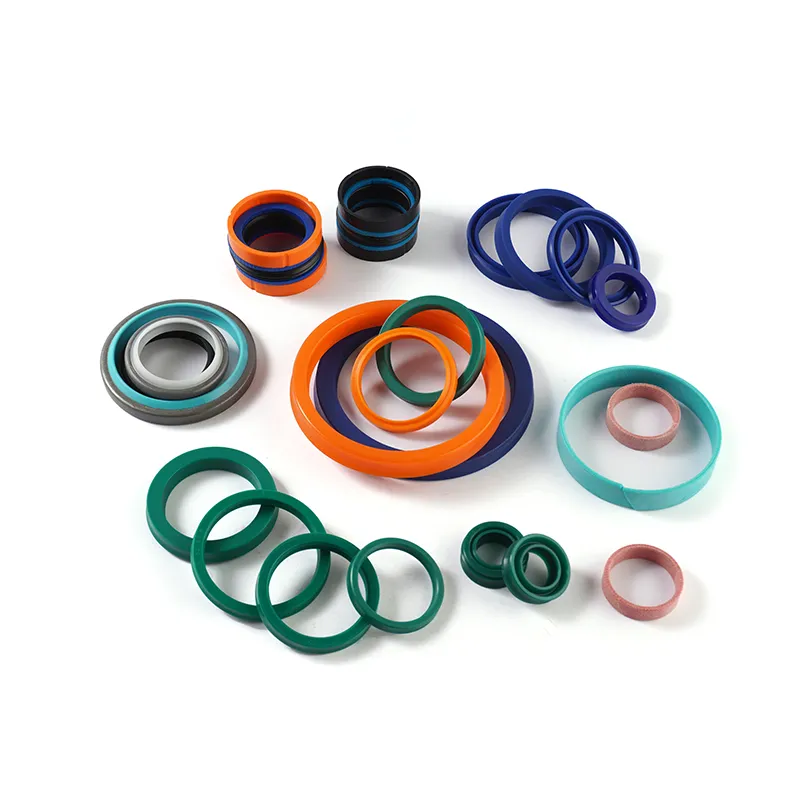
No single seal type serves every need; a successful fleet maintenance strategy integrates all five families. Combi seals protect PTOs, cassette seals guard wheel ends, rotary seals secure transmissions, back‑up rings reinforce hydraulic O‑rings, and O‑rings themselves are pervasive.
Predictive maintenance scheduling
Recording seal replacement intervals and correlating with failure modes helps tailor intervals for each truck model. Storage and handling – seals should be kept in cool, dry conditions, away from ozone sources; even new seals degrade if stored improperly. Torque specifications – over‑tightening bolt flanges can distort cassette or combi housings, inducing leaks. For heavy‑duty transport, a comprehensive seal management program reduces unscheduled maintenance by nearly 30%, according to fleet benchmarks. The synergy of proper selection, correct installation, and timely renewal ensures that trucks and buses complete millions of miles with minimal fluid loss, lower operating costs, and enhanced road safety.

Conclusion

Durable long‑haul sealing is not an afterthought – it is a discipline. For heavy‑duty transport, the combined reliability of O‑rings, cassette seals, rotary seals, back‑up rings, and combi seals forms the backbone of fleet uptime. Each component addresses specific failure modes, from extrusion to contamination to thermal aging. By embracing a holistic view and investing in quality seals and meticulous installation practices, fleet operators can transform maintenance from a reactive burden into a strategic advantage. Ultimately, every seal contributes to the mission of safe, efficient, and profitable heavy‑duty transport.
Enhancing Fleet Reliability with Durable Long-Haul Sealing solutions is essential to reducing maintenance costs and ensuring consistent performance across thousands of miles. Beyond the highway, however, our expertise in high-stress environments serves as the foundation for our entire range of industrial applications. We invite you to explore our Applications hub, where we detail our specialized engineering for four critical sectors: Heavy-Duty Trucks & Buses, Construction & Earthmoving Machinery, Agricultural Equipment, and Automotive & Light Commercial Vehicles. Whether you are managing complex logistics fleets or optimizing diverse mechanical equipment, our technical insights are designed to elevate durability and operational efficiency across every application.