Construction machinery – excavators, wheel loaders, bulldozers, and dump trucks – operates in some of the most punishing environments on earth. Dust, mud, extreme temperatures, and high‑impact loads conspire to challenge every component. Among these, sealing systems are often the weakest link, yet they are the most critical for preventing fluid loss and contamination ingress. Reliable leak prevention directly translates to reduced downtime, lower operating costs, and extended equipment life. This article examines six essential sealing families – hydraulic seals, guiding components, back‑up rings, O‑rings, quad/X‑rings, and rotary seals – and how they each contribute to robust performance in construction machinery.
Construction Machinery Hydraulic Seals: First Line Against Leakage
Dynamic sealing under high pressure
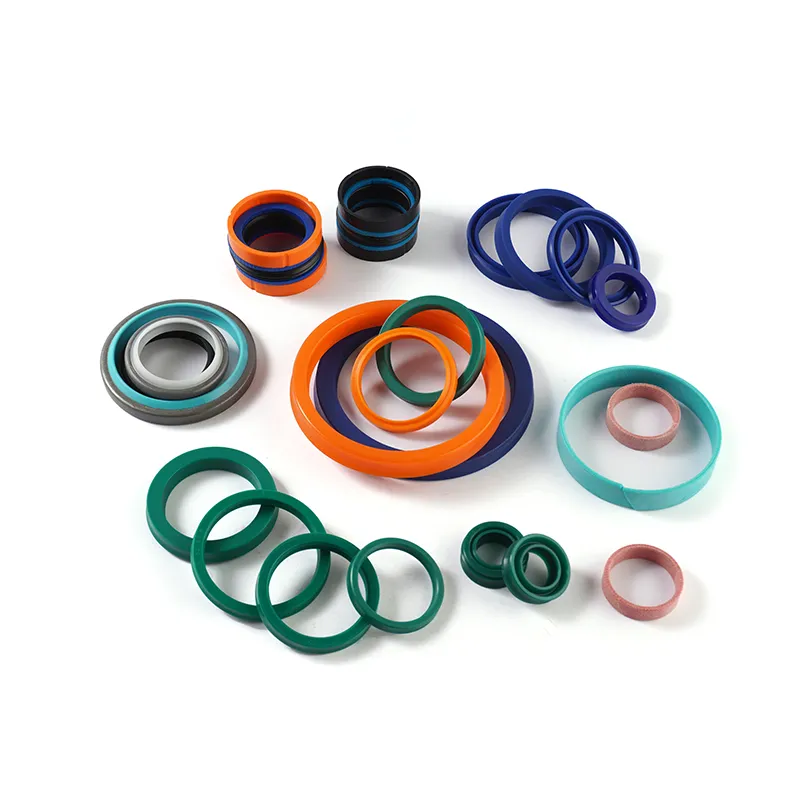
Hydraulic cylinders are the muscles of construction machinery. The piston rod seal must withstand pressures up to 350 bar while reciprocating at varying speeds. Modern hydraulic seals feature a U‑cup design with a backup ring to resist extrusion. Materials like polyurethane or nitrile with special additives offer low friction and high abrasion resistance. When installing, careful attention to rod surface finish (Ra < 0.4 µm) prevents micro‑leakage. For boom cylinders in excavators, using a tandem seal arrangement improves redundancy, ensuring that even if the primary seal wears, a secondary barrier maintains containment.

Construction Machinery Guiding Components: Ensuring Accurate Rod Movement
Wear rings and guide bands

Guiding components, often called wear rings or bearing strips, are not seals but they support the sealing function by keeping the rod and piston centered. Without proper guidance, the hydraulic seal experiences uneven loading, causing premature wear. These components are typically made of filled PTFE or phenolic resin, which provide low friction and high load‑bearing capacity. In large‑bore cylinders of wheel loaders, guiding components also absorb side loads from bucket forces. Regular inspection of guide wear is a simple way to predict seal life, as excessive clearance allows the seal to tilt and leak.
Construction Machinery Back‑Up Rings: Strengthening O‑Ring Performance
Extrusion gap management
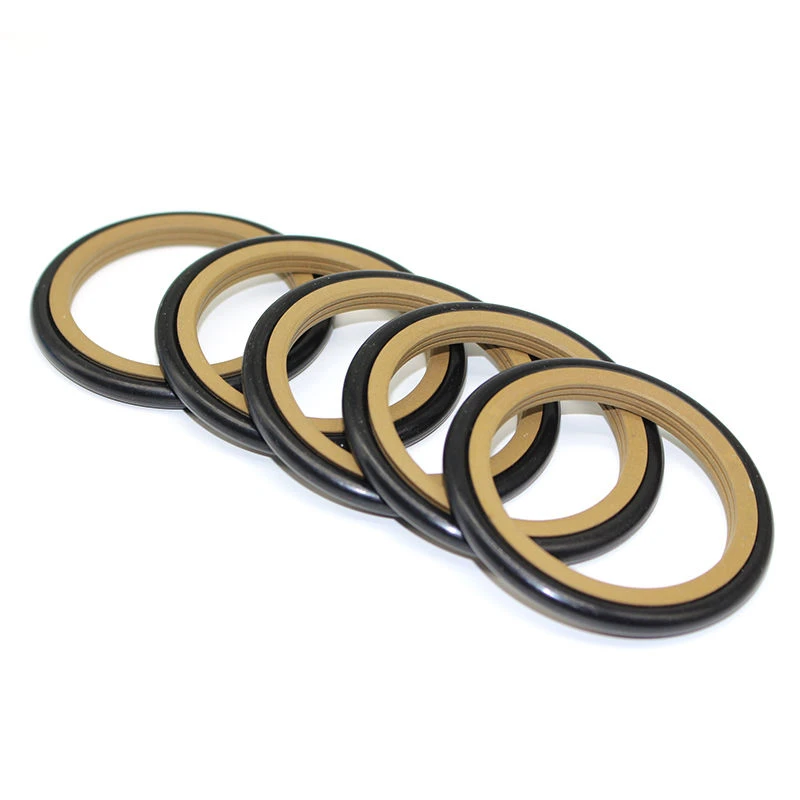
Back‑up rings are essential companions to O‑rings in high‑pressure circuits, such as those in hydraulic hammer accumulators. They fill the clearance between the O‑ring and the groove wall, preventing the elastomer from extruding into the gap. Typically made of hard plastic like PEEK or PTFE, back‑up rings are available in spiral or solid designs. In construction machinery, where pressure spikes are common (e.g., when a bucket hits a rock), back‑up rings significantly extend O‑ring life. They are often overlooked during maintenance, but installing a back‑up ring can double the seal service interval in demanding applications.

Construction Machinery O‑Rings: Basic but Critical in Valve Blocks
Compression set and swelling

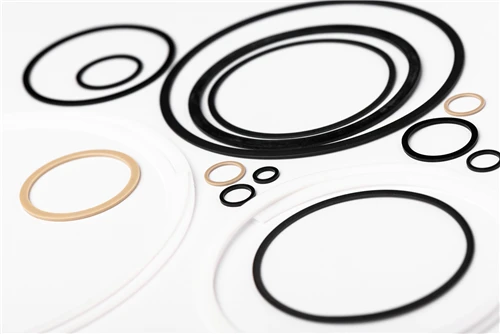
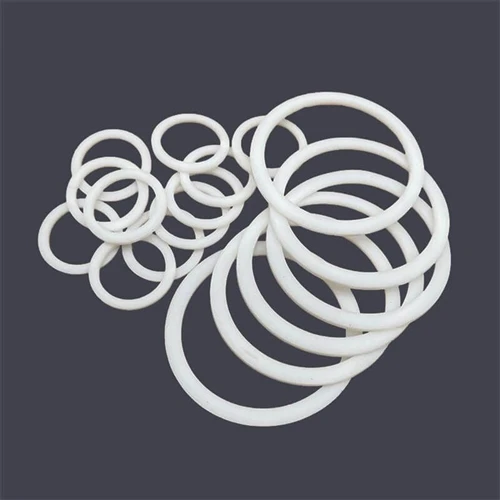
O‑rings are the most ubiquitous seals in construction machinery, found in manifold blocks, quick‑connect couplings, and sensor ports. Their circular cross‑section provides simple yet effective sealing under static and low‑dynamic conditions. However, in hot hydraulic oil, O‑rings can suffer compression set, leading to leakage. Choosing the right elastomer – FKM for high‑temperature, NBR for standard oil – is critical. Additionally, swelling from incompatible fluids can cause extrusion or jamming. For wheel loader valve stacks, using O‑rings with a slightly larger cross‑section (e.g., 2.62 mm instead of 2.5 mm) can improve squeeze and compensate for minor groove wear.
Construction Machinery Quad Rings (X‑Rings): Enhanced Sealing with Lower Friction
Reduced stick‑slip phenomenon
Quad rings, also known as X‑rings, have a four‑lobed cross‑section that provides two sealing contacts per side. They require less compression force than standard O‑rings for the same sealing effect, which reduces friction and heat generation. This makes them ideal for oscillating motions, such as in swing motors or steering cylinders. In construction machinery, where repetitive motions cause standard O‑rings to roll or twist, quad rings maintain stability. They also handle bidirectional pressure well. However, proper groove design is even more critical for X‑rings because the lobes must deform uniformly. When replacing O‑rings with quad rings in track adjuster cylinders, many fleet engineers report reduced leakage and smoother operation.

Construction Machinery Rotary Seals: Protecting Final Drive Shafts
Lip design for contamination exclusion

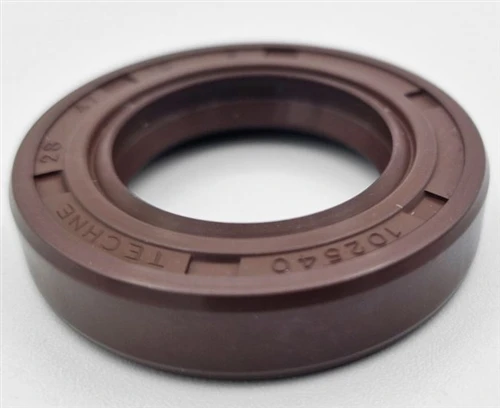
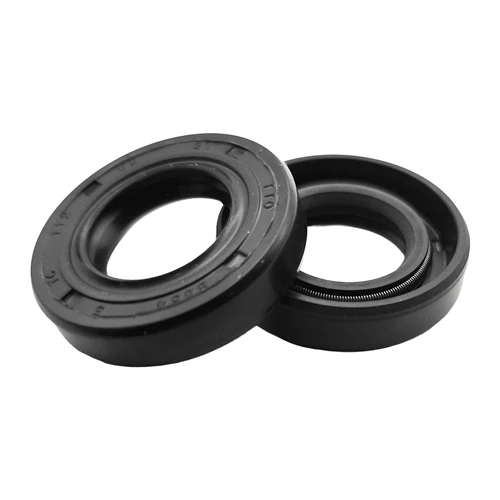
Rotary seals are used wherever shafts rotate through housings, such as in final drives, hydraulic pumps, and swing gearboxes. In construction machinery, these seals face abrasive dust, water spray, and high centrifugal forces. A typical rotary seal has a primary sealing lip with a garter spring to maintain contact, and a secondary dust lip to wipe away contaminants. For track‑type tractors, the rotary seal in the track drive motor must accommodate both rotation and slight axial play. Using fluorosilicone lip material improves oil film control and reduces frictional heat. Regular greasing of the area around the seal can help keep the dust lip effective.
Construction Machinery Hydraulic Seals for Heavy‑Duty Cylinders
Pressure balancing and anti‑extrusion features
In large excavator arm cylinders, hydraulic seals often include a combination of a U‑cup with an O‑ring energizer. This design provides a preload that maintains sealing even at low pressures. The energizer also compensates for lip wear over time. Additionally, some heavy‑duty seals incorporate a wear‑resistant fabric‑reinforced backing for high cycling rates. For demolition hammers, where shock loads are extreme, selecting a seal with a higher durometer (95 Shore A) helps resist impact deformation. Proper cylinder honing and chamfering of rod edges are essential to prevent seal damage during assembly.

Construction Machinery Guiding Components in Boom and Arm Joints
Lateral load support

Pivot points in the boom and arm of excavators experience high side loads that can misalign the cylinder rod. Guiding components such as bronze‑impregnated PTFE strips are installed in the cylinder head to absorb these loads and keep the rod concentric. This reduces uneven wear on the hydraulic seal and extends its life. In articulated dump trucks, steering cylinder guides also need to handle oscillation. Regular measurement of rod deflection can indicate when guiding components are worn; timely replacement avoids catastrophic seal failure. Many maintenance schedules include guide checks every 1000 operating hours.
Construction Machinery Back‑Up Rings in High‑Impulse Circuits
Mitigating impact pressure
Hydraulic systems in construction machinery often experience sudden pressure surges – for example, when a bucket hits an obstacle. Back‑up rings placed adjacent to O‑rings in cartridge valves prevent the O‑ring from extruding into the valve bore. For high‑impulse applications, a spiral back‑up ring is preferred because it can expand and contract with the O‑ring without causing damage. In skid steer loaders, the auxiliary hydraulic circuit frequently cycles, and back‑up rings have proven to triple the O‑ring life. They are inexpensive but have a high return on reliability.

Construction Machinery Rotary Seals for Swing Motor Outputs
Contaminant barriers and grease compatibility

Swing motors in crawler cranes and excavators rely on rotary seals to contain lubricating oil while keeping out sand and grit. These seals often feature a metal outer casing for press‑fit installation and a rubber lip with a spring. The lip's contact pattern must be optimized for both continuous rotation and occasional standstill. In dusty quarry environments, additional felt wipers are sometimes fitted ahead of the rotary seal. For swing drives, using a rotary seal with a wider lip contact patch reduces unit pressure, lowering wear. When replacing, ensure the shaft surface is free of pits and scratches – a simple polishing can improve seal life by 50%.
Sealing in construction machinery is not a one‑size‑fits‑all proposition. Each application – from hydraulic cylinders to final drives – demands a tailored combination of seals, guides, and back‑ups. By understanding the specific failure modes and selecting appropriate materials and designs, equipment owners can achieve reliable leak prevention. Moreover, proactive maintenance, including regular inspection and replacement of seals and guiding components, pays dividends in uptime and safety. Ultimately, the success of a construction fleet rests on the integrity of these humble but vital sealing elements.
Ensuring Reliable Leak Prevention with specialized Seals for Construction Machinery is paramount to maintaining power and safety on the toughest job sites. Yet, the same commitment to precision and durability drives our excellence across various demanding sectors. We invite you to explore our Applications hub, where we detail our tailored engineering solutions across four key pillars: Construction & Earthmoving Machinery, Agricultural Equipment, Heavy-Duty Trucks & Buses, and Automotive & Light Commercial Vehicles. Whether you are optimizing excavator performance or seeking robust reliability for mixed fleets, our deep-dive technical resources are designed to help you master every operating environment.