Introduction

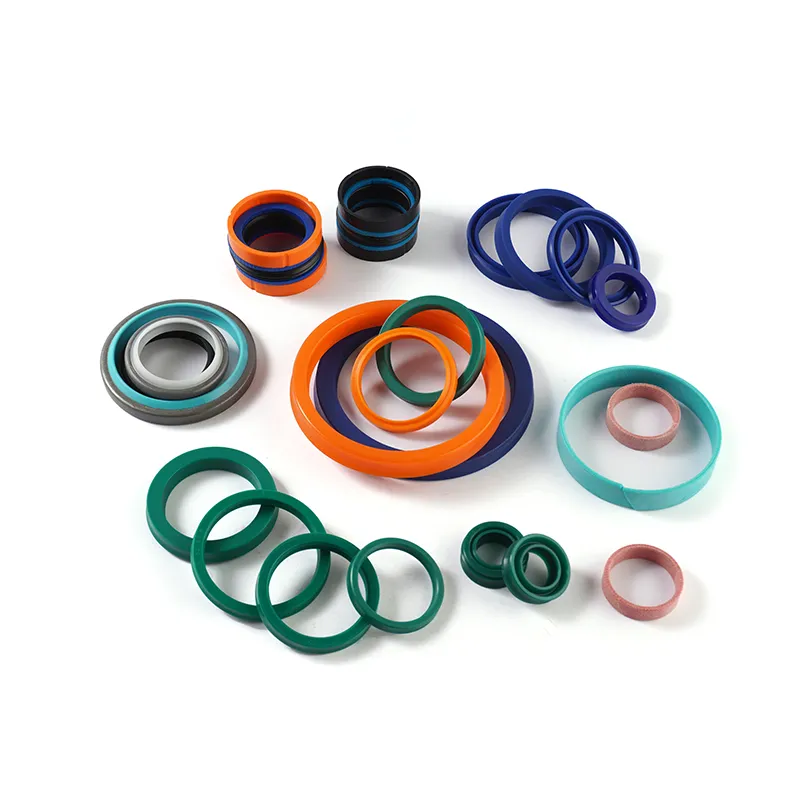
Modern farming relies on heavy‑duty machinery that operates through planting, spraying, harvesting, and tillage – often under dusty, wet, and chemically aggressive conditions. Among all components, sealing systems are the unsung heroes that prevent costly fluid leaks and keep bearings lubricated. For agricultural equipment, even a minor drip can contaminate soil, reduce hydraulic efficiency, and cause unplanned field downtime. This article explores five essential seal families – O‑rings, quad/X‑rings, bonded seals, rotary seals, and combi seals – and how advanced sealing solutions directly boost crop cycle productivity and machine longevity.
Agricultural Equipment O‑Rings in Hydraulic Remote Valves
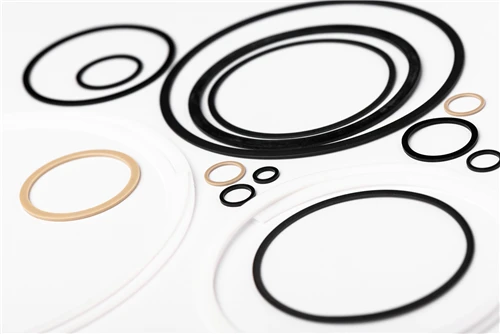
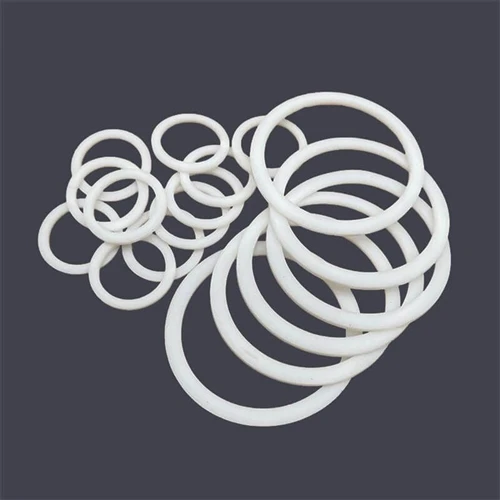
Hydraulic systems on tractors and sprayers control everything from lift arms to boom folding. O‑rings are the primary static and dynamic seals in valve blocks, couplers, and piston accumulators. Their circular cross‑section provides simple yet effective sealing, but the choice of elastomer is critical.

Material resistance to biodiesel blends
Many modern farm fuels contain up to 20% bio‑content, which can swell standard nitrile. Fluorocarbon (FKM) or hydrogenated nitrile (HNBR) offers better stability.
Squeeze and groove fill
Optimal compression (15‑25%) ensures sealing without excessive stress relaxation. In sprayer booms, where vibration is constant, O‑rings with lower compression set retain their resilience longer. Regular inspection of O‑rings in quick‑couplers prevents sudden pressure drops during field operations.
Agricultural Equipment Quad/X‑Rings in Steering Articulation Joints
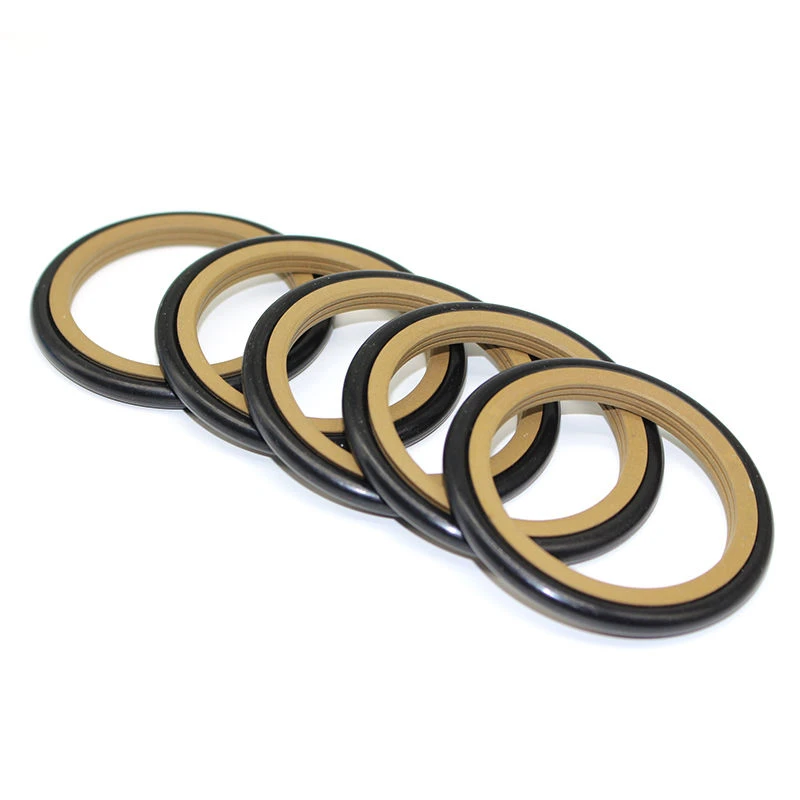
Steering cylinders and articulation pivots on large tractors and harvesters experience oscillating motion that can twist conventional O‑rings. Quad rings (X‑rings) have a four‑lobed profile that distributes contact pressure evenly and reduces friction.
Lower friction means less heat
The reduced drag also lowers hydraulic oil temperature, extending fluid life.
Bidirectional sealing capability

X‑rings handle pressure from both directions, making them ideal for double‑acting cylinders. In articulated loaders, replacing standard O‑rings with X‑rings in the steering circuit has been shown to reduce steering lag and improve response. For agricultural equipment operating in muddy fields, the X‑ring's multiple sealing edges also provide better exclusion of silt and debris.
Agricultural Equipment Bonded Seals for Flanged Connections
Bonded seals – metal washers with an elastomer bonding – are commonly used on drain plugs, inspection covers, and hydraulic manifold flanges. They combine the strength of a metal backing with the conformability of rubber.
Preventing over‑torque damage
The metal washer limits compression, so even inexperienced maintenance staff can achieve a reliable seal without crushing the rubber.
Resistance to fertilizer residues
Bonded seals with EPDM rubber resist urea‑based fertilizers, which are often corrosive to standard nitrile. For agricultural equipment with frequent oil changes, bonded seals are reusable (if undamaged) and provide a visible compression indicator. They are particularly valued on gearbox drain plugs where drips would stain storage yards.

Agricultural Equipment Rotary Seals for PTO Output Shafts
Power take‑off (PTO) shafts transfer engine torque to implements like mowers and balers. Rotary seals at the PTO housing retain gear oil while excluding chaff and soil particles.
Lip design for high‑speed rotation
PTO speeds can reach 1000 RPM, and the seal lip must maintain contact without excessive heat generation. Polytetrafluoroethylene (PTFE) lip seals offer low friction and high temperature resistance.
Contamination exclusion via a dust lip

Many rotary seals include an auxiliary lip that wipes away debris, crucial for agricultural equipment working in harvested fields where straw and dust are pervasive. Regular greasing of the PTO shaft splines reduces fretting wear, which can compromise the seal's running surface.
Agricultural Equipment Combi Seals for Transmission Outputs
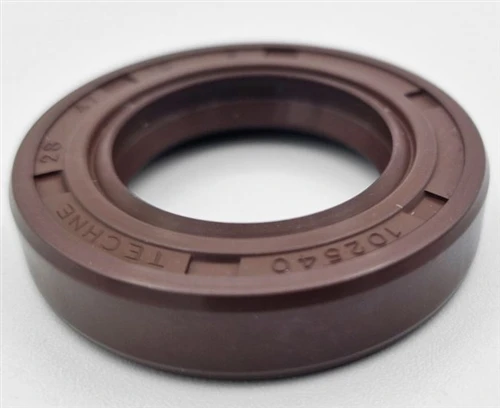
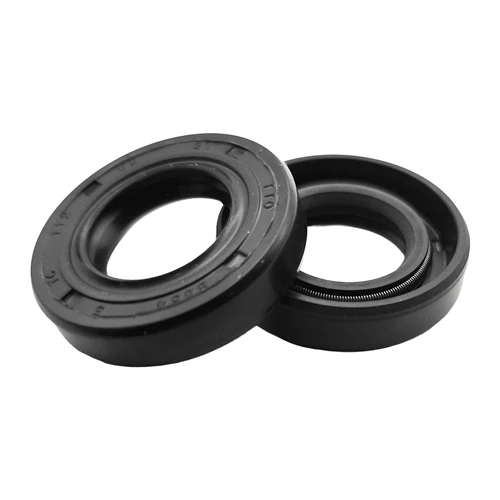
Combination seals (combi seals) integrate a main oil seal with a protective outer casing and often an additional dirt lip. They are used in axle drives and gearbox outputs where both oil retention and contamination blocking are equally important.
One‑piece installation reduces errors
The pre‑assembled unit simplifies replacement, a benefit for farm workshops with limited tooling.
Thermal expansion management
The metal casing expands at a similar rate to the housing, maintaining interference fit over a wide temperature range. For agricultural equipment that works in sub‑zero winter conditions and scorching summer heat, combi seals provide consistent sealing. They also reduce the risk of lip damage during installation because the outer shell protects the fragile lip.

Agricultural Equipment O‑Rings in Fuel Injection Systems
Modern diesel engines in high‑horsepower tractors use common‑rail injection with pressures exceeding 2000 bar. O‑rings seal the injector nozzles and return lines.
Resistance to diesel oxidation
Fuel degradation over time forms acids that attack standard O‑rings; HNBR or FKM is mandatory.
Precise dimensional tolerances

Injector O‑rings must fit within tight grooves; even a 0.1 mm oversize can cause extrusion or assembly difficulty. For agricultural equipment that may sit idle during off‑seasons, fuel can stagnate, increasing the risk of O‑ring swelling. Using fuel‑stable materials and adding biocide treatments reduce injector leakage, which otherwise would cause hard starting and reduced power during peak planting periods.
Agricultural Equipment Quad/X‑Rings in Brake Actuators
Many large tractors and self‑propelled sprayers have wet disc brakes integrated into the axles. Quad rings are used as piston seals in brake calipers because they provide low breakout friction.
Reduced brake drag
The multiple lobes minimize sticking, allowing brake pistons to retract fully, which reduces pad wear and saves fuel.
Compatibility with brake fluid
X‑rings made of ethylene‑propylene (EPDM) are preferred for DOT‑3/DOT‑4 fluids, while nitrile is used for mineral oil systems. In agricultural equipment that operates on steep terrain, consistent brake response is safety‑critical. The X‑ring's lower friction also reduces pedal effort, a benefit for operators who spend long hours in the cab.

Agricultural Equipment Bonded Seals on Hydraulic Filter Heads
Filter heads and spin‑on filter adapters often employ bonded seals to prevent leaks around the mounting face. These seals see cyclic pressure from cold starts and hot operation.
Compression recovery
The bonded design ensures that the elastomer rebounds when pressure is released, maintaining seal integrity.
Ease of visual inspection

Any deformation or cracking of the exposed rubber is a clear indicator for replacement. For agricultural equipment with multiple hydraulic circuits, using bonded seals on filter heads simplifies preventive maintenance. Many farm technicians carry a few common sizes, as they fit numerous applications. Replacing them during each filter change (every 250‑300 hours) virtually eliminates face‑seal leakage.
Agricultural Equipment Rotary Seals for Final Drive Hubs
Final drives on tracked tractors and combine harvesters demand robust sealing against mud, water, and stone chips. Rotary seals in these hubs often include a heavy‑duty metal case and a fluoroelastomer lip.

High lip interference for heavy loads
Increased radial load ensures sealing even when the hub experiences side impacts.
Abrasion‑resistant lip materials
Some rotary seals incorporate a polytetrafluoroethylene (PTFE) overlay to withstand abrasive particles. In paddy fields, water and silt intrusion can destroy bearings within hours if the rotary seal fails. Choosing seals with a wiper lip and maintaining proper oil levels in the final drive housing are proven strategies to extend service intervals.
Agricultural Equipment Combi Seals for Steering Orbitrol Motors

Orbitrol motors (hydrostatic steering units) use combi seals to isolate the high‑pressure inlet from the return passage. These seals must handle frequent pressure reversals and low‑speed oscillation.
Low hysteresis design
The combi seal's material and geometry minimize internal friction, providing smooth steering feel.
Resistance to steering oil additives
Anti‑wear additives in hydraulic oil can attack some elastomers; selecting a combi seal with polyurethane or FKM ensures durability. For agricultural equipment with auto‑steering systems, consistent sealing is vital for precise GPS‑guided passes. Many OEMs now specify combi seals in their steering units because of their compactness and multi‑function capability.
Integration and Maintenance for Agricultural Equipment
No single seal type solves all challenges; a comprehensive strategy combines O‑rings, X‑rings, bonded seals, rotary seals, and combi seals.
Regular oil sampling
Lab analysis detects wear metals and seal degradation particles, enabling predictive replacement.
Proper storage
Seals should be kept in sealed bags away from sunlight and ozone (e.g., electric motors) to prevent premature aging.
Clean assembly practices
Even a speck of dirt on a sealing surface can initiate a leak. For agricultural equipment, where field repairs are common, using clean tools and lubricating seals during installation improves success rates. By integrating advanced sealing solutions with diligent maintenance, farm operators can achieve up to 20% longer component life and significantly reduce season‑interrupting breakdowns.

Conclusion

Agricultural efficiency is not just about bigger engines or faster implements – it depends on the reliability of every sealing point. From O‑rings in injectors to combi seals in final drives, each product family contributes to leak prevention, friction reduction, and contamination exclusion. As farming becomes more technology‑driven, the demand for durable, chemically resistant, and low‑friction seals grows. By understanding the specific requirements of each application and investing in quality sealing solutions, agricultural equipment can deliver consistent performance through the harshest planting and harvest seasons.
Achieving Agricultural Efficiency through Advanced Sealing Solutions is critical to maximizing uptime during demanding harvest and planting seasons. Beyond the field, however, high-performance sealing is the backbone of reliability across all heavy-duty sectors. We invite you to explore our Applications hub, where we categorize our engineering expertise into four specialized segments: Agricultural Equipment, Construction & Earthmoving Machinery, Heavy-Duty Trucks & Buses, and Automotive & Light Commercial Vehicles. Whether you are optimizing complex farm machinery or seeking robust durability for commercial fleets, our targeted technical insights are designed to enhance performance and lifespan across every critical operating environment.