Introduction

Powertrain precision is not merely a benchmark-it is the foundation of modern mobility. Every rotating shaft, every pressurized fluid path, and every thermal cycle demands components that maintain exact tolerances. Among these, sealing elements play an underrated but critical role. Without reliable barriers, lubricants escape, contaminants enter, and friction rises, all of which degrade vehicle performance. This article explores how strategic selection of sealing products can optimize efficiency, durability, and reliability across various vehicle architectures.
VEHICLE POWERTRAIN PRECISION AND THE CONTRIBUTION OF AUTOMOTIVE SEALS
Automotive seals are the unsung guardians of internal combustion and hybrid powertrains. They prevent oil leaks at valve covers, crankcases, and transmission housings, ensuring that lubrication reaches every bearing and gear. In high‑temperature environments, these seals must resist hardening and cracking.

Selecting the right elastomer compound
Nitrile, FKM, or silicone – directly affects the seal's ability to maintain contact pressure over time. Moreover, the design of the sealing lip influences hydrodynamic oil film thickness, which reduces boundary friction. By minimizing internal leakage, automotive seals preserve pump volumetric efficiency, thereby contributing to overall vehicle fuel economy and power output.
IMPROVING VEHICLE FUEL ECONOMY WITH O‑RINGS IN FLUID CIRCUITS
O‑rings are ubiquitous in vehicle fluid systems, from engine oil galleries to coolant passages. Their circular cross‑section and simple gland design make them cost‑effective yet highly reliable. However, their performance hinges on proper squeeze and groove fill.
Controlling compression set is vital

excessive permanent deformation leads to blow‑by and pressure drop, forcing the pump to work harder. In fuel injection systems, O‑rings prevent high‑pressure fuel from leaking past injector nozzles, thus maintaining precise spray patterns. This precision translates directly into better combustion and reduced unburned hydrocarbons. For modern vehicles with start‑stop technology, O‑rings must withstand frequent pressure cycling without losing resilience, a factor often overlooked in routine maintenance.
VEHICLE ROTARY SEALS FOR HIGH‑SPEED SHAFT APPLICATIONS
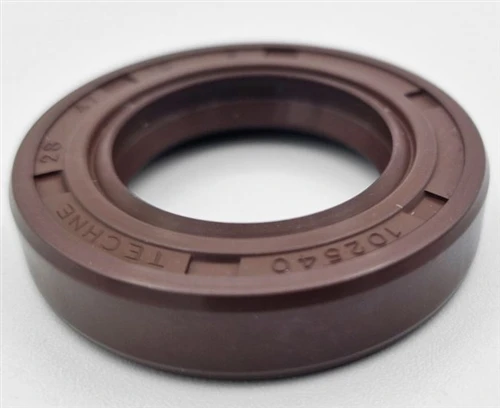
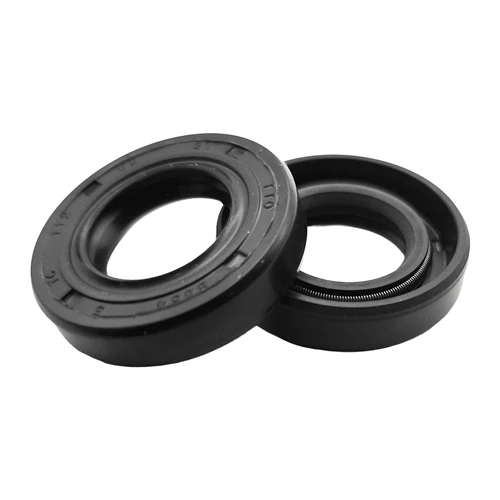
Rotary seals, commonly known as oil seals or shaft seals, are essential wherever a rotating shaft penetrates a housing. In vehicle transmissions and axle drives, they retain lubricant while excluding dirt and moisture.
Understanding the pumping effect
The seal lip's helical ridges or multiple lips create a slight pressure gradient that pumps oil back into the sump. This dynamic action reduces leakage even at high circumferential speeds. For electric vehicle reduction gears, rotary seals must handle higher RPMs with minimal frictional heat generation. Advanced materials like PTFE‑filled compounds reduce the coefficient of friction, thereby decreasing parasitic losses. When correctly installed, rotary seals extend the service life of bearings and gears, directly influencing vehicle reliability.

AUTOMOTIVE SEALS IN VEHICLE THERMAL MANAGEMENT SYSTEMS
Thermal management is becoming more complex with the integration of battery cooling and waste heat recovery. Automotive seals are deployed in water pumps, thermostats, and EGR coolers.
Resisting coolant additives

Such as ethylene glycol and corrosion inhibitors – requires seals with excellent chemical stability. Additionally, temperature fluctuations from sub‑zero cold starts to over 100°C operation demand low‑temperature flexibility and high‑temperature tensile strength. A failed seal in the cooling circuit can lead to overheating, reduced engine life, and even catastrophic failure. By using advanced sealing geometries, such as stepped or wave‑type lips, engineers improve conformability to housing bore distortions, ensuring consistent clamping force throughout the vehicle's lifetime.
O‑RINGS FOR VEHICLE HYDRAULIC AND PNEUMATIC SYSTEMS
Heavy‑duty vehicles rely heavily on hydraulic systems for steering, braking, and suspension. O‑rings in these circuits face high pressures, often exceeding 200 bar.
Groove design and extrusion gap
Proper backing rings or anti‑extrusion devices are necessary to prevent O‑ring nibbling under pressure spikes. Moreover, the surface finish of the mating hardware directly affects seal life; a rough surface accelerates wear, while a mirror‑like finish may hinder lubrication. In pneumatic actuators, O‑rings must maintain sealing even with dry air, where lubrication is minimal. Using internally lubricated O‑ring compounds (e.g., with molybdenum disulfide) reduces stick‑slip and improves response time. Consequently, vehicle control systems become more precise, enhancing driver safety and comfort.

ROTARY SEALS FOR VEHICLE AXLE AND DIFFERENTIAL APPLICATIONS
Axle seals are subjected to heavy torsional loads, misalignment, and contamination from road debris. Rotary seals designed for these conditions often feature a dust lip in addition to the main sealing lip.
Managing eccentricity

The ability to follow shaft run‑out without losing contact is crucial. Finite element analysis helps optimize lip geometry to minimize wear while maintaining sufficient interference. In differentials, where gear oil contains additives like sulphur‑phosphorus compounds, the seal material must resist chemical attack. Modern rotary seals incorporate fluoroelastomers that offer excellent resistance to high‑temperature oxidation and aggressive additives. This ensures that the lubricant remains clean and viscous, thereby reducing gear noise and extending overhaul intervals for the vehicle.
VEHICLE EMISSION CONTROL AND THE USE OF AUTOMOTIVE SEALS
Emission regulations have tightened, pushing for tighter sealing in crankcase ventilation and fuel vapor recovery systems. Automotive seals in these applications must prevent hydrocarbons from escaping into the atmosphere.
Valve stem seals are a prime example
They control the amount of oil entering the combustion chamber, directly affecting particulate emissions. A worn valve seal allows excess oil to burn, producing blue smoke and increasing PM2.5 output. Similarly, seals in the EVAP system must hold vacuum during leak tests. By adopting dual‑lip or spring‑energized designs, engineers achieve near‑zero leakage, helping vehicle manufacturers meet Euro 7 or EPA standards without sacrificing performance.

O‑RINGS IN VEHICLE FUEL INJECTION SYSTEMS
Modern direct‑injection engines operate at pressures up to 350 bar, and O‑rings sit between the injector body and the cylinder head. These O‑rings face a harsh environment of hot fuel and cyclic pressure.
Optimizing hardness and elongation

A balance is needed; too hard and the seal may not conform to surface irregularities, too soft and it may extrude. Additionally, fuel blends containing ethanol or methanol require special elastomers with low swell. O‑ring failure in this location can cause fuel dilution of engine oil, reducing viscosity and damaging bearings. Regular inspection of injector O‑rings during maintenance is a cost‑effective way to preserve vehicle power and throttle response.
VEHICLE ELECTRIFICATION AND ROTARY SEALS FOR ELECTRIC MOTORS
Electric vehicles (EVs) introduce new sealing challenges, particularly in the motor housing and reducer units. Rotary seals here must function with minimal drag to avoid draining the battery.
Low‑friction lip coatings such as diamond
Like carbon (DLC) reduce torque loss significantly. Furthermore, the absence of combustion gases means lower operating temperatures, but the seals must still tolerate high‑speed rotation (over 15,000 rpm). In some designs, a contactless labyrinth seal is preferred, but for oil‑cooled motors, conventional rotary seals with optimized profiles are more effective. By minimizing frictional losses, these seals contribute directly to the vehicle's driving range per charge.

INTEGRATING AUTOMOTIVE SEALS, O‑RINGS, AND ROTARY SEALS IN VEHICLE DESIGN
No single seal type can address all challenges; a comprehensive strategy is necessary. Engineers must consider the entire system-temperature, pressure, media, motion, and environmental factors.
Material compatibility matrix

Cross‑referencing elastomers with operating fluids helps avoid premature failure. Installation procedures – proper tooling and lubrication during assembly prevent twisting or cutting. Lifecycle testing – accelerated endurance tests simulate millions of cycles to validate reliability. When all three seal families are designed synergistically, the powertrain operates at peak efficiency, with minimal parasitic losses and extended maintenance intervals. This holistic approach ultimately defines a superior vehicle that delivers both performance and owner satisfaction.
Conclusion
The pursuit of powertrain precision is ongoing, and seals are integral to this journey. Whether through automotive seals, O‑rings, or rotary seals, each component contributes to reduced friction, controlled leakage, and enhanced durability. As vehicle technologies evolve toward hybridization and full electrification, the principles of sealing remain constant – attention to detail, material science, and application engineering. Investing in quality seals is not an expense; it is an investment in vehicle longevity, efficiency, and environmental stewardship.

Achieving Powertrain Precision is the key to Optimizing Vehicle Performance and ensuring the smooth, responsive driving experience demanded by modern standards. Beyond individual powertrain components, our expertise extends to the holistic engineering challenges faced by today's diverse transportation sectors. We invite you to explore our Applications hub, where we detail our specialized sealing technologies across four core pillars: Automotive & Light Commercial Vehicles, Heavy-Duty Trucks & Buses, Construction & Earthmoving Machinery, and Agricultural Equipment. Whether you are enhancing passenger vehicle efficiency or seeking robust reliability for commercial fleets, our technical resources are designed to drive excellence across every application.