GLOBAL REPORT – Across the world's most punishing haul roads, from rain-lashed tropical mines to frozen timber trails, heavy-duty truck fleets are waging a silent war against dirt, water, and premature failure. The frontline weapon increasingly turning the tide is not a new engine or transmission, but a compact, precision-engineered cartridge hidden inside every wheel hub and axle: the cassette seal. Once seen as a niche upgrade for extreme applications, cassette-style oil seals are set to become a mainstream specification by 2026, redefining durability expectations for trucks that work in mud, dust, high-pressure washdowns, and corrosive environments.
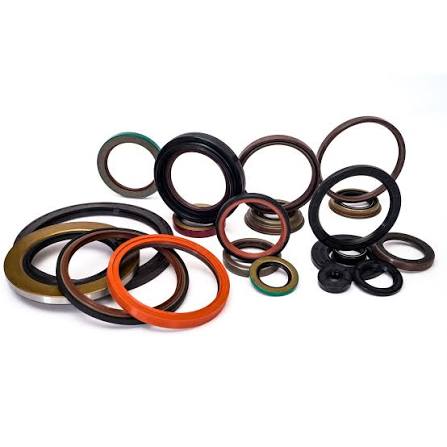
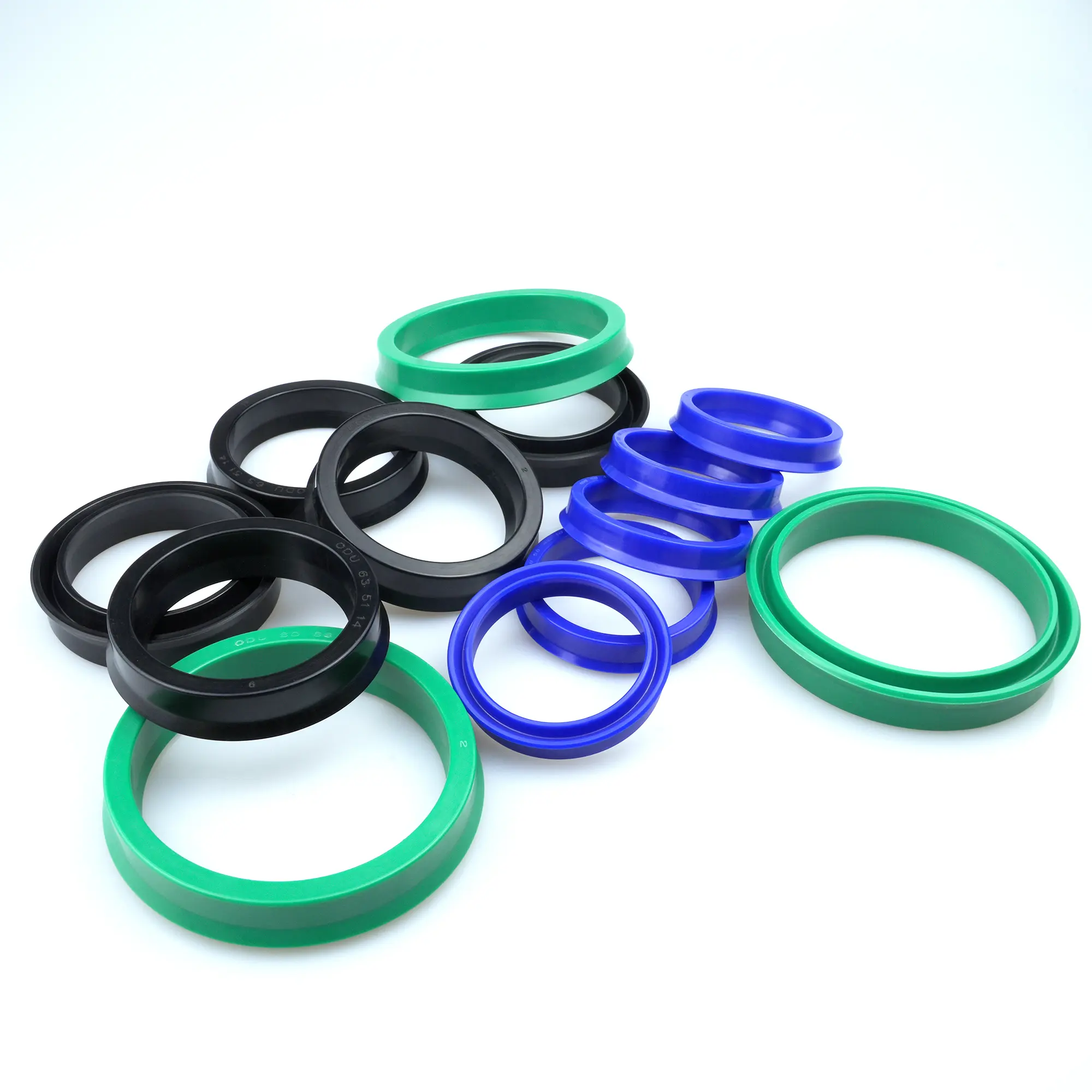
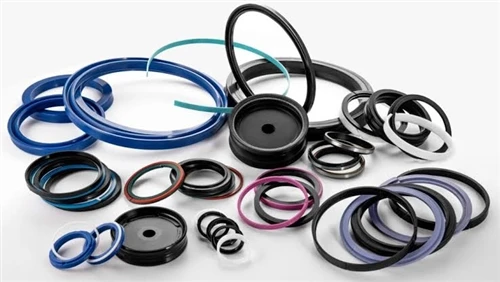
Unlike a traditional radial shaft seal, which relies on a single flexible lip pressed against a shaft, a cassette seal is a fully integrated, pre-lubricated unit. It typically comprises a heavy-gauge metal outer case, a specialized elastomer primary lip running on an ultra-smooth wear sleeve, and multiple exclusion barriers – dust lips, labyrinth profiles, and sometimes non-contacting slingers – that form a tortuous path against external invaders. An internal grease reservoir continuously feeds the sealing interface, maintaining lubrication even when external conditions are completely dry or fully submerged. For a vocational truck wading through slurry one hour and pounding down a desert highway the next, this design represents a fundamental leap in contamination exclusion.


The operational case has become undeniable. At a large open-pit mining site where trucks routinely plow through acidic runoff and abrasive ore dust, maintenance logs tell a stark story. Before a fleet-wide retrofit to cassette seals, wheel-end oil leaks were a near-weekly headache, contaminating brake shoes, degrading bearing life, and triggering unscheduled road calls that interrupted tightly choreographed haul cycles. After the switch, bearing service intervals tripled, and leak-related stoppages all but vanished. "The seal now outlasts the brake pads, which is something we never thought possible," a fleet maintenance director noted. Similar testimonials ripple through construction, waste management, and heavy-haul logistics.
This momentum is accelerating toward 2026 under the influence of three powerful megatrends. The first is electrification. Battery-electric and fuel-cell heavy trucks introduce electric drive axles and e-motors that rotate at high continuous speeds and generate substantial heat. These units require seals that not only withstand synthetic lubricants and elevated temperatures but also guarantee zero ingress of moisture or conductive dust, which could trigger insulation breakdown or catastrophic short circuits. Cassette seals, with their multi-stage protection and ability to be custom-engineered with low-friction PTFE primary lips, have become the default choice for protecting these expensive electric powertrains.

The second megatrend is autonomy. Semi- and fully autonomous trucks operating in remote mine sites or on long-haul highway platoons demand relentless mechanical reliability. A single seal failure that triggers a fault code can immobilize an unmanned vehicle far from human intervention, bringing entire logistics chains to a halt. Fleet telematics platforms now quantify the financial pain of every minute of downtime, and the equation has shifted decisively in favor of components that eliminate failure modes rather than merely manage them. A global logistics provider evaluated its data and found that the premium initially paid for cassette seals was neutralized by the very first avoided road call, prompting a retrofit directive across its tractor fleet regardless of remaining seal life.
The third megatrend is tightening environmental oversight. Regulators in many regions now impose severe penalties for any fluid leak onto public roads or sensitive ground. A single drop of gear oil can lead to fines, mandatory impoundment, and reputational damage. Cassette seals, when properly installed, virtually guarantee leak-free service over hundreds of thousands of kilometers, making them an essential compliance tool. For fleets handling food-grade goods, chemicals, or operating near waterways, this zero-leakage characteristic is no longer optional; it is a license to operate.

The technology itself is far from static. New-generation cassette seals feature patented hydrodynamic spiral grooves on the sealing sleeve that pump oil back toward the sump during rotation, creating an active sealing effect with zero static leakage. Advanced elastomer compounds – high-saturation nitrile, fluoroelastomers, and proprietary blends – extend the operational temperature window from the bitter cold of Arctic ice roads to the blast-furnace heat of desert ore carriers. Some manufacturers have introduced split cassette designs that can be installed without pulling the wheel hub, a breakthrough that slashes roadside repair time by more than half and has been embraced by independent workshops and large fleet maintenance centers alike.

Meanwhile, the industry is confronting challenges that accompany rapid growth. Counterfeit cassette seals, manufactured with substandard rubber and thin, corrosion-prone metal, have infiltrated aftermarket supply chains, often delivering a fraction of the genuine article's life. In response, leading seal producers have rolled out sophisticated authentication systems using laser-etched identifiers and tamper-evident packaging, coupled with digital verification tools accessible by any technician's smartphone. At the same time, not every cassette seal works in every environment; a design that excels in dry mineral dust may struggle in liquid manure or caustic chemical slurries. This reality has spurred industry consortia to develop application-specific test standards that simulate real-world torture: cyclic mud immersion, high-pressure spray, extreme temperature shock, and heavy side-loading. One recent collaboration between a seal manufacturer and a construction-truck builder produced a "Mud-Pack" variant featuring an oversized exclusion lip and a corrosion-proof stainless steel wear sleeve, purpose-built for concrete mixer trucks that endure cement paste splatter and merciless daily washdowns. Early field data suggest the design survives twice the washdown cycles of standard heavy-duty cassette units.
The global aftermarket is pivoting rapidly to capture the opportunity. Distributors report that cassette seal retrofit kits for popular drive and steer axles rank among the fastest-growing product categories, with some online platforms recording triple-digit sales growth in just two years. Technician training programs increasingly emphasize that cassette seals demand clean, damage-free bores and proper driver tools to avoid cartridge distortion; a short classroom session pays dividends in warranty reduction. Major truck-stop chains have begun stocking common cassette seal sizes, enabling on-the-road replacement during mandatory driver rest periods. The installation itself is often a simple push-fit procedure requiring no complex feeler gauges or seal-setting depths – a feature that owner-operators value when performing their own overnight repairs.
Looking across regions, adoption patterns highlight both progress and potential. In Scandinavia, where forestry trucks spend their lives immersed in mud, snow, and water, cassette seals have been essentially standard for a decade. In parts of South Asia, Africa, and South America, where extreme cost sensitivity once favored throwaway lip seals, the calculation is now shifting as the true expense of frequent failures becomes impossible to ignore. Trade data reveals a sharp increase in cassette seal imports to nations with expanding mining and construction sectors, driven by fleet managers who are weary of watching bearings dissolve during monsoon seasons. Even in highly competitive cost-driven markets, the cheapest seal is no longer the one with the lowest purchase price; it is the one that never forces a truck off the road.


By the 2026 model year, multiple heavy-duty truck platforms are expected to roll off assembly lines with cassette seals designated as primary line-of-defense components for every wheel-end and axle input. Transmission and axle housing designs are being adapted to accept modular cartridge units that can be swapped in minutes with common hand tools. The long-promised idea of a "sealed-for-life" wheel-end is finally becoming engineering reality, aligned with brake pad and rotor replacement intervals to allow fully predictive maintenance scheduling. The implications ripple through fleet operations: a single unscheduled wheel-end repair can sideline a truck for an entire shift or more, while cassette-equipped wheels often keep turning without intervention for years. That reliability transforms asset utilization rates, driver schedules, and ultimately, freight costs.
A recent concept vocational truck revealed by a European manufacturer underscored the trajectory. Every grease and oil seal, from the steering knuckle to the power take-off shaft, was cassette-type. In a staged demonstration that was part technical theater and part brutal honesty, the truck waded through a meter-deep slurry trough, immediately accelerated to highway speed on a test track, and showed zero fluid leakage or contamination ingress upon teardown inspection. The message resonated through the commercial vehicle industry: cassette seals are no longer a specialty accessory but a fundamental building block of durable machinery.
As 2026 draws near, the conversation among fleet owners, maintenance engineers, and procurement specialists has moved beyond whether to specify cassette seals. The question now is which variant – arctic grade, mud-pack, split design, low-friction EV – best matches the unique torment of each operating environment. In a sector where unplanned downtime can erode margins in hours, the humble cassette seal has proven itself as an essential piece of the heavy-duty reliability puzzle, quietly keeping the world's toughest trucks moving through the world's toughest conditions.