As global regulators tighten passenger vehicle fuel efficiency standards, automakers are scrambling to eliminate every fraction of parasitic loss. A seemingly modest component-the oil seal-has emerged as an unexpected contributor to measurable fuel savings. Jinwo, a manufacturer specializing in advanced sealing solutions, reports a sharp increase in inquiries for low-friction oil seal designs that can help meet the upcoming mandates. From passenger cars to heavy trucks, the push for reduced energy waste is reshaping the oil seal market faster than many analysts predicted. The trend is unmistakable, and suppliers are racing to adapt.
New Fuel Efficiency Mandates Spark Oil Seal Revolution
Why Low-Friction Oil Seal Technology Is No Longer Optional
Under the latest CAFE and Euro 7 proposals, fleet-average CO₂ targets leave no room for inefficiency. An oil seal rotating against a shaft can consume a few watts of power-multiplied by dozens of seals in a vehicle, this adds up. Traditionally, oil seal friction was accepted as a necessary trade-off for leak prevention. Now, engineers are demanding an oil seal that maintains a robust fluid barrier while cutting drag by 30 percent or more. Jinwo's research shows that switching to optimized lip profiles and advanced elastomers in an oil seal can save enough energy to improve fuel economy by up to 0.2 percent on a typical midsize sedan. That may sound trivial, but when every gram of CO₂ counts, an oil seal upgrade becomes a critical piece of the compliance puzzle.

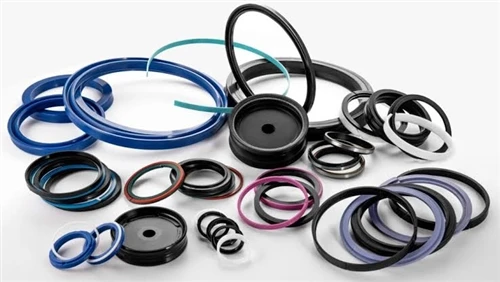
Jinwo's Low-Friction Oil Seal Portfolio Meets Diverse Needs
Cassette Oil Seal Solutions for Modern Drivetrains

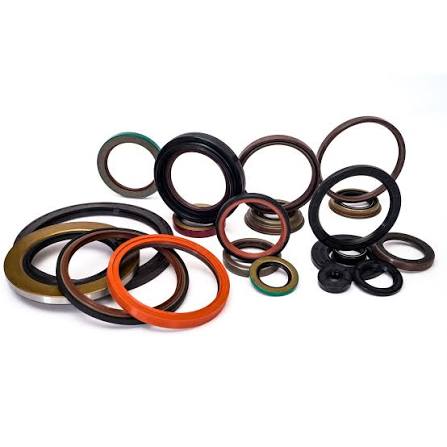
Jinwo has responded with a broad range of products, and one of the fastest-growing categories is the cassette oil seal. Unlike a conventional design, a cassette oil seal integrates the running surface and multiple lips into a single pre-assembled unit, simplifying installation. This design virtually eliminates the risk of lip fold-over during assembly, a common pitfall in mass production. In next-generation automatic and dual-clutch transmissions, this type of oil seal reduces the torque lost to fluid shear, directly contributing to better fuel ratings. Jinwo has already shipped thousands of such units to a European electric vehicle manufacturer for use in reduction gearboxes, where low friction is essential to extend range.
Material Breakthroughs Enhance Oil Seal Efficiency
High Pressure Rotary Seal Innovations for Demanding Applications
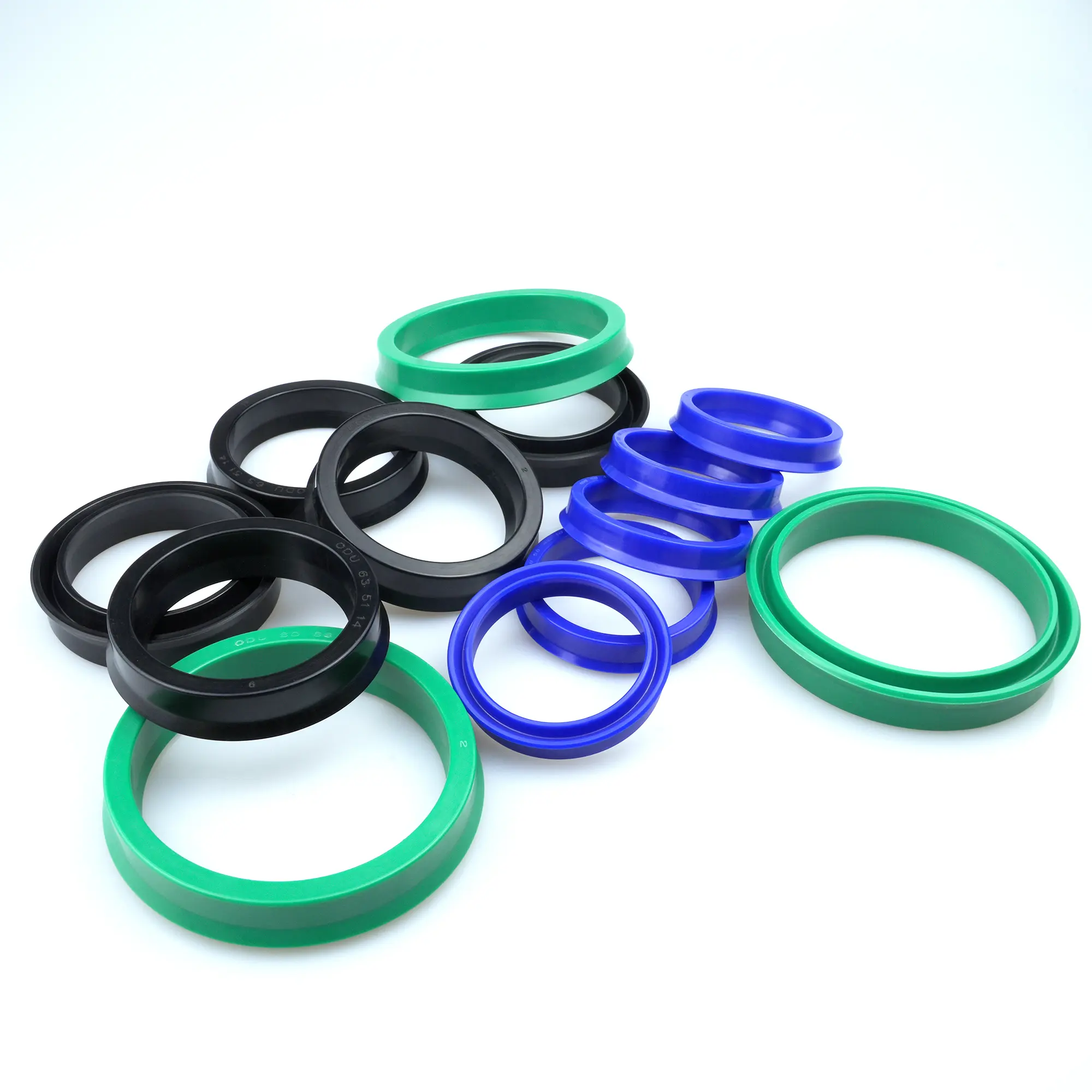
New fluoroelastomer compounds and nano-ceramic coatings have allowed oil seal products to operate at lower friction without sacrificing durability. These material advances are particularly valuable in a high pressure rotary seal used in hydraulic systems that must endure extreme conditions while minimizing energy loss. Jinwo's engineering team has developed a high pressure rotary seal that withstands 300 bar while exhibiting 40 percent less friction than the previous generation. By transferring this expertise to automotive oil seal production, the company has shortened development cycles for customers facing stringent fuel efficiency deadlines.

Testing Proves Low-Friction Oil Seal Reduces Fuel Consumption
Real-World Data from Truck Oil Seal Fleet Trials

Claims of friction reduction mean little without field evidence. Jinwo partnered with a logistics fleet to evaluate a low-friction truck oil seal in rear axles over a 100,000-kilometer test cycle. The truck oil seal monitored during the trial showed consistent sealing performance and contributed to a measured fuel saving of 1.8 liters per 1,000 kilometers. Fleet managers observed that the oil seal upgrade paid for itself within the first service interval, underscoring the economic case for adopting such low-friction seal designs across commercial vehicle platforms. The retrofit involved no other modifications, isolating the effect of the oil seal change.
Automakers Collaborate with Jinwo on Custom Oil Seal Designs
Wheel Oil Seal Upgrades for Next-Generation Axles
On the passenger vehicle side, several major automakers have co-developed a wheel oil seal that reduces drag while coping with aggressive thermal cycling from disc brakes. A wheel oil seal positioned in the hub assembly must also fend off water and grit, so the design incorporates a dust lip and a specially treated primary sealing edge. Jinwo's application engineers work onsite with OEMs to fine-tune the seal's interference and spring load, ensuring the part delivers its friction target without risking a leak. This collaborative approach has shortened approval cycles and resulted in designs that are already slated for MY2027 launches. Pre-production samples already exceed 300,000 kilometers of durability testing.

Beyond Automotive: Industrial Oil Seal Applications Benefit Too
Hydraulic Pump Oil Seal and Pressure Washer Oil Seal Adopt Low-Friction Tech

The push for efficiency does not stop at the highway. Industrial equipment can also realize significant gains. For instance, a hydraulic pump oil seal operating in a logistics center's lift system was upgraded to a low-friction version, cutting electrical consumption by 4 percent. The same technology found its way into a pressure washer oil seal, where reduced drag translated into lower motor start-up currents and less wear on the piston packing. Tests on a hydraulic pump oil seal in a 24/7 production line confirmed that the energy savings alone justified the switch. Similarly, a pressure washer oil seal that previously needed replacement every 300 hours now lasts beyond 600 hours. By sharing innovation between automotive and industrial oil seal lines, Jinwo multiplies the environmental benefit of its research.
Jinwo's Seal Gear Box Solutions Rely on Advanced Oil Seal Technology
Rotavator Oil Seal and Cylinder Oil Seal for Agricultural and Off-Highway
Agricultural machinery is another frontier. A rotavator oil seal operating in dusty, high-vibration conditions must last an entire planting season without service. Jinwo's low-friction rotavator oil seal has doubled the maintenance interval in field tests. At the engine level, a cylinder oil seal improved with new materials prevents oil from entering the combustion chamber while reducing the drag on the valve stem. This cylinder oil seal design has been validated on a popular 4-cylinder diesel and is being scaled for production. Together with the company's seal gear box kits, which bundle shaft seals and gaskets for complete gearbox overhauls, these products bring fuel and oil savings to farming and construction fleets. The seal gear box approach simplifies logistics for dealers and ensures that every oil seal in the assembly is optimized for low total cost of ownership.

Transformer Bushing Oil Seal Reliability Enhanced by Low-Friction Design
Extending Maintenance Intervals with Advanced Materials

Even power grid equipment benefits. A transformer bushing oil seal is subjected to thermal expansion cycles and constant exposure to insulating oil. Jinwo has introduced a low-friction transformer bushing oil seal that reduces the micro-motions that cause wear, extending service life beyond ten years. A utility in Southeast Asia replaced standard seals with Jinwo's low-friction design across 40 distribution transformers; after two years, the new oil seal showed no sign of leakage and required no retightening. Power utilities trialing the oil seal report fewer unplanned outages, which aligns with the broader theme: low-friction oil seal technology is a reliability enabler across industries.
The Future of Oil Seal Engineering in Electrified Powertrains
Electrified vehicles operate at higher speeds and often with low-viscosity lubricants, placing unique demands on oil seal lip materials. Jinwo is investigating oil seal designs that use laser-textured surfaces to control the fluid film thickness precisely. These next-generation oil seal concepts are undergoing bench validation and could first appear in high-speed e-axle applications by 2026. Additionally, the company is experimenting with a sensor-integrated oil seal that monitors lip temperature and wear in real time, a development eagerly watched by electric vehicle developers. As the line between mechanical and electric systems blurs, the oil seal continues to evolve from a simple commodity into a precision-engineered component.

Jinwo's Commitment to Sustainable Oil Seal Manufacturing

Alongside performance improvements, Jinwo has overhauled its production processes to cut waste. Oil seal rubber flash is recycled, and metal cases are sourced from suppliers using electric-arc furnace steel. These steps shrink the carbon footprint of every oil seal shipped, supporting automakers' Scope 3 emissions goals. Jinwo believes that a low-friction oil seal should also be a low-impact oil seal from cradle to gate. To further reduce energy use, the company has installed solar arrays at its main molding plant, aiming to power all oil seal production with renewable electricity by 2028.
With new fuel efficiency regulations intensifying, the oil seal-long overlooked-has become a focal point for incremental but real gains. Jinwo's integrated approach, spanning material science, application engineering, and volume manufacturing, positions the company as a strategic partner to vehicle manufacturers navigating the transition. As the industry inches toward carbon neutrality, the humble oil seal will quietly keep turning, with less friction and more purpose than ever before. Jinwo's ongoing investments ensure that whatever the regulatory landscape demands next, an advanced oil seal solution will be ready.