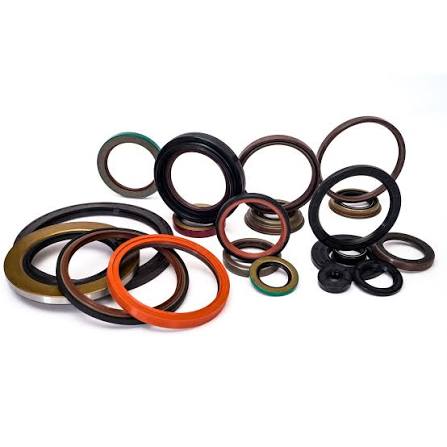
Across Europe and North America, a quiet but economically powerful shift is reshaping the automotive aftermarket. New vehicle prices continue to climb, pushing the average age of passenger cars and commercial trucks on the road to record highs heading into 2026. Fleet managers and private owners alike are choosing to repair rather than replace, and this decision is fueling a surge in demand for comprehensive engine overhaul solutions. At the center of every rebuild, a small but indispensable component is gaining recognition: the oil seal. As the gatekeeper that keeps lubricant in and contaminants out, the oil seal has become a focal point in the battle to extract more miles from aging powertrains.
The Economics of Keeping Older Vehicles on the Road
The financial logic behind the maintenance boom is straightforward. A new heavy-duty truck or even a mid-range passenger car now represents a capital outlay that many businesses and households prefer to defer. Loan rates and insurance premiums have added to the burden, making a paid-off vehicle with a known service history increasingly attractive. Investing a few thousand in a comprehensive engine overhaul, rather than committing to years of payments on a new unit, has become the rational choice for operators ranging from long-haul trucking companies to suburban commuters. This economic calculus has pushed the average vehicle age well beyond twelve years in several major markets, creating a vast installed base of engines that require periodic resealing to remain operational.

Engine Overhaul Kits Surge as Fleets Choose Rebuilds

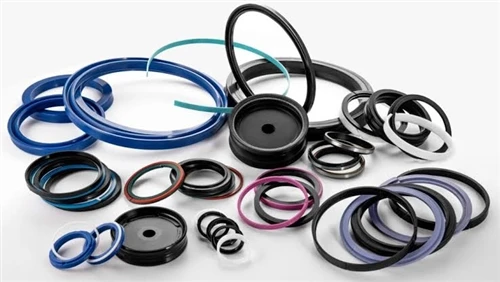
The aftermarket has responded with a dramatic expansion of engine overhaul kit offerings. These comprehensive packages bundle together pistons, rings, gaskets, bearings, and every oil seal needed to return a tired engine to service. Where a decade ago a shop might have ordered individual components from multiple suppliers, today a single part number delivers everything required for a complete reseal and rebuild. The convenience factor is only part of the story. Engine overhaul kit manufacturers have improved the quality and completeness of their packages, recognizing that a single missing or substandard oil seal can doom an otherwise professional rebuild. For popular engine families that power millions of vehicles still in service, the engine overhaul kit market has matured into a competitive, high-volume segment where quality differentiation increasingly hinges on the sealing components.
Why the Oil Seal Defines an Overhaul's Success
The Oil Seal as the Final Barrier
An engine rebuild lives or dies by its ability to retain oil. No matter how precisely the cylinders are honed or how carefully the bearings are fitted, a leaking oil seal will undo all that work. The oil seal operates on a rotating shaft with a contact band measured in microns, generating a hydrodynamic film that lubricates the interface while continuously pumping oil back toward the sump. In an aging engine, the shaft surfaces may be slightly worn, the housing bores may have seen multiple seal replacements, and the operating temperatures may run higher than when the vehicle was new. The oil seal specified in a modern engine overhaul kit must accommodate all of these realities while delivering tens of thousands of miles of leak-free service.

Material Upgrades in Modern Engine Overhaul Kits

The elastomer compounds used in today's engine overhaul kit oil seals represent decades of material science advancement. Where older formulations would harden and crack after prolonged heat exposure, current fluoroelastomer and high-saturation nitrile compounds maintain flexibility and radial tension across wider temperature ranges. For a delivery van making hundreds of cold starts per month or a long-haul truck that runs continuously for days, the oil seal material in an engine overhaul kit must resist chemical attack from modern synthetic and semi-synthetic lubricants while coping with the acidic byproducts of combustion that accumulate in an older engine's crankcase. The rubber shaft seal in a quality engine overhaul kit is not a commodity part; it is an engineered component tuned to the specific thermal, chemical, and mechanical conditions of a mature powerplant.
The Rubber Shaft Seal in High-Mileage Engine Applications

A rubber shaft seal serves as the primary defense at the crankshaft nose, the camshaft ends, and the auxiliary shaft outputs. In a high-mileage engine, these rubber shaft seal locations are often the first to show signs of age. The rubber shaft seal must compensate for shaft wear that can measure several thousandths of an inch, a challenge that a factory-fresh engine never presented. The rubber shaft seal in a quality engine overhaul kit often features a revised lip geometry that shifts the contact point slightly from the original wear groove, giving the new seal a fresh surface to run against without requiring an expensive shaft replacement or wear sleeve. For the independent workshop rebuilding a customer's daily driver, this small design refinement built into the rubber shaft seal can mean the difference between a satisfied owner and a comeback repair.
Dual-Lip Configurations for Contaminated Environments
Many engine overhaul kit suppliers now specify a dual-lip rubber shaft seal for external positions such as the front crankshaft. The additional dust lip faces outward and blocks road grit, belt debris, and moisture from reaching the primary sealing lip. On an older vehicle where accessory drive belts shed material and underhood airflow patterns have been altered by missing shields or aftermarket components, this secondary barrier significantly extends the rubber shaft seal's effective life.
Oil Lip Seal Precision in Rotating Assembly Rebuilds
The oil lip seal is the heart of any dynamic sealing application within an engine. Its carefully calculated lip angle, spring tension, and contact width determine whether the seal maintains a stable lubricant film or allows a slow seep that eventually becomes a visible leak. In an engine overhaul kit, the oil lip seal is matched to the specific shaft it will ride on, with the spring tension calibrated to provide adequate radial load without generating excessive friction. As engines age, blow-by gases pressurize the crankcase more than the original design anticipated, and the oil lip seal must resist this increased pressure differential. Quality engine overhaul kit manufacturers test their oil lip seal selections under elevated crankcase pressure conditions to ensure that the seal lip does not lift off the shaft when the engine works hard.

Directional Grooves for Active Oil Control
Many modern oil lip seal designs incorporate microscopic spiral grooves on the shaft contact surface. During rotation, these grooves act as a viscous pump, actively driving oil back toward the crankcase. When an engine overhaul kit includes this type of oil lip seal, the installer must observe the directional markings, because installing the oil lip seal backward turns the pumping action in the wrong direction and guarantees a leak. For the busy technician working through a flat-rate engine overhaul, this directional awareness is essential to a successful outcome.
Cylinder Oil Seal Applications Beyond the Engine Block
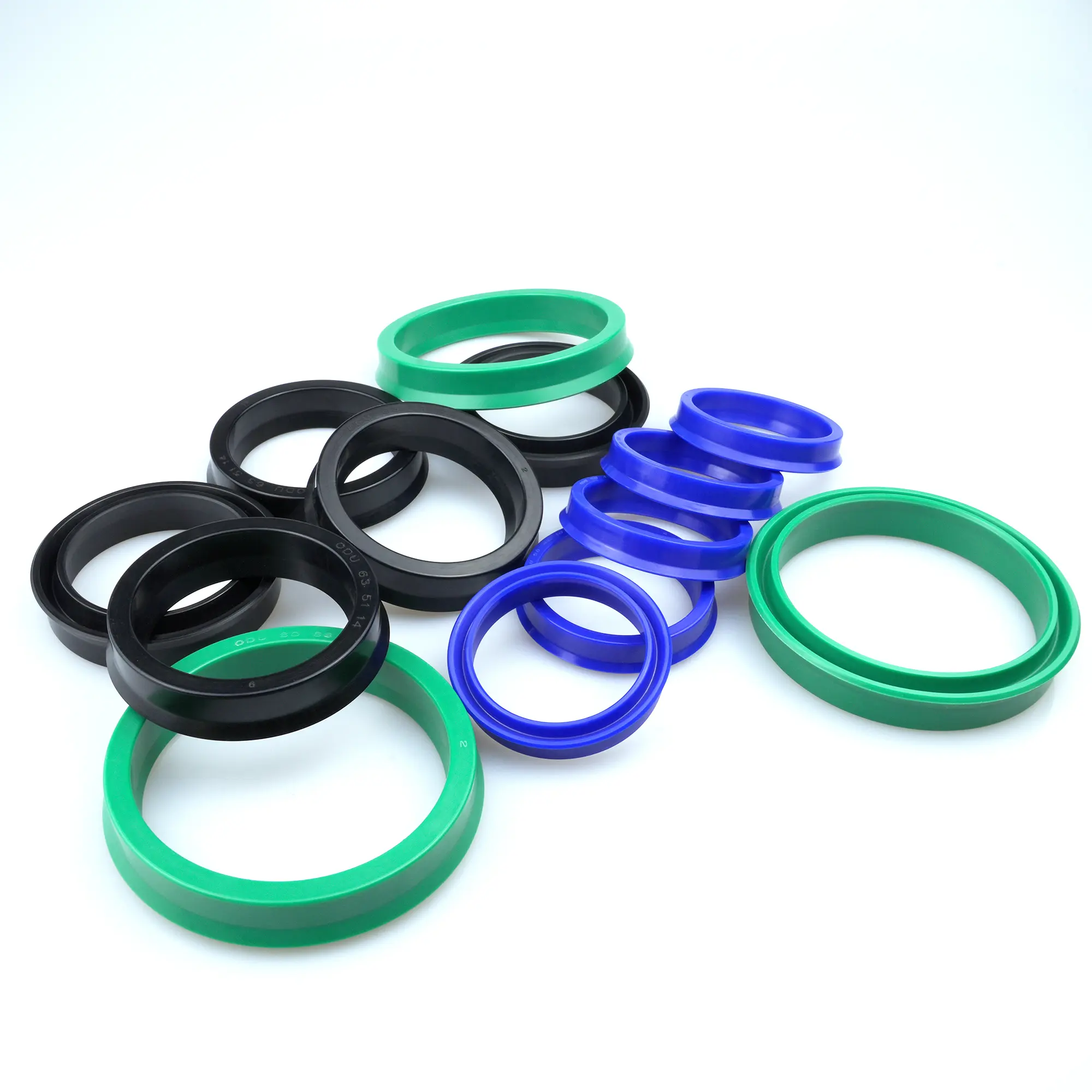
While the engine overhaul kit focuses on the internal combustion powerplant, many of the vehicles receiving these rebuilds also suffer from hydraulic system leaks that developed in parallel with engine wear. The cylinder oil seal in a hydraulic ram on a truck's tilt cab or a loader's lift arm operates under high pressure and reciprocating motion. A cylinder oil seal that fails externally not only drips fluid but also allows air ingress, causing spongy actuator response. Shops that specialize in comprehensive vehicle refurbishment increasingly bundle engine overhaul kit work with cylinder oil seal replacements, recognizing that a freshly rebuilt engine in a vehicle with leaking hydraulics undermines the owner's confidence and the shop's reputation. The cylinder oil seal, like its engine-mounted counterparts, benefits from the same advances in polyurethane and fluorocarbon materials that have extended seal life across the industry.

Truck Oil Seal Durability in Commercial Fleet Rebuilds

Commercial truck engines present the most demanding application for any engine overhaul kit component. A truck oil seal on the rear main crankshaft flange must survive prolonged high-speed operation at full load, followed by idle periods where heat soak pushes underhood temperatures to extremes. The truck oil seal sees frequent thermal cycling, exposure to road chemicals splashed up from wet highways, and vibration levels that dwarf those in passenger car applications. For fleet maintenance directors, the truck oil seal has become a key specification point when evaluating competing engine overhaul kit suppliers. A truck oil seal that leaks after fifty thousand miles triggers a costly road call that erases any savings from choosing a cheaper kit. The industry has responded with truck oil seal designs that incorporate heavier spring tensions, wider contact bands, and corrosion-resistant outer cases suited to the rigors of commercial operation.
Fleet-Wide Standardization of Engine Overhaul Kits
Major logistics and freight carriers have begun standardizing their engine overhaul kit procurement around a single approved specification. This approach ensures that every truck oil seal installed across the fleet meets the same performance threshold, regardless of which regional shop performs the rebuild. Standardization also simplifies parts inventory and technician training, reducing the chance that an incorrect or inferior oil seal finds its way into a rebuilt engine. As the average fleet age continues to creep upward, this disciplined approach to engine overhaul kit selection pays dividends in reduced roadside breakdowns and more predictable maintenance scheduling.
High Pressure Rotary Seal Challenges in Turbocharger Rebuilds

Turbochargers represent a unique intersection of high speed, extreme heat, and pressurized oil supply. The high pressure rotary seal inside a turbocharger must contain oil on the bearing housing side while withstanding shaft speeds that can exceed one hundred thousand revolutions per minute. When an engine overhaul kit includes turbocharger refurbishment components, the high pressure rotary seal is often the most technically demanding part. A high pressure rotary seal that fails allows oil to enter the compressor or turbine housing, producing the telltale blue smoke that signals turbo trouble. The latest high pressure rotary seal designs use carbon-faced or piston-ring-style configurations rather than traditional elastomeric lips, reflecting the unique physics of sealing at turbocharger shaft speeds. Shops that perform engine overhaul kit installations routinely send turbochargers to specialist rebuilders who have the balancing equipment and high pressure rotary seal expertise needed for reliable results.
Balancing and the High Pressure Rotary Seal Interface
A turbocharger rebuild is not complete without precision balancing of the rotating assembly. An out-of-balance condition places side loads on the high pressure rotary seal that it was never designed to handle, leading to premature leakage. The engine overhaul kit supply chain has adapted by offering turbocharger sub-kits that include both the high pressure rotary seal and the necessary fasteners and gaskets, encouraging technicians to treat the turbo as a complete subsystem rather than an afterthought.
The Cassette Oil Seal in Accessory Drive Longevity
Integrated Protection for Auxiliary Shafts
Accessory drive shafts on modern diesel and gasoline engines often power high-demand components such as air conditioning compressors, power steering pumps, and emissions-control air pumps. These shafts increasingly rely on a cassette oil seal rather than a simple lip seal. A cassette oil seal packages the primary lip, a hardened wear sleeve, and multiple dust exclusion barriers into a single pre-lubricated unit. In an engine overhaul kit, a cassette oil seal for the accessory drive position eliminates the risk of installing the wear sleeve at an incorrect depth or angle, a common error when separate components are sourced individually. The cassette oil seal arrives factory-assembled and pre-greased, so the accessory shaft is protected from dry-start wear the moment the engine fires.

Longevity Gains from Cassette Oil Seal Upgrades
Fleets that have upgraded their engine overhaul kit specifications to include cassette oil seal options at all available positions report measurable reductions in oil-related comebacks. The cassette oil seal, by isolating the primary lip from direct contact with a potentially worn shaft, effectively resets the clock on seal life for that position. For a truck that logs over one hundred thousand miles per year, this translates into one less potential leak point during the critical post-rebuild break-in period.
The Aftermarket Supply Chain Adapts to the Overhaul Era

The surge in engine overhaul kit demand has reshaped distribution channels across Europe and North America. Independent parts distributors now stock deep inventories of engine overhaul kit options for engine families that were considered obsolete a decade ago. Online platforms have made it possible for a mechanic in a rural town to order a complete engine overhaul kit with the correct oil lip seal and rubber shaft seal specifications by mid-morning and have it delivered by the following afternoon. This logistical capability has democratized engine rebuilding, allowing smaller shops to compete with dealerships for overhaul work. Training programs have evolved in parallel, with seal manufacturers offering hands-on clinics that teach technicians how to identify shaft wear, select the right oil seal from an engine overhaul kit, and install it without damage.
An Era of Preservation Over Replacement
The post-internal-combustion-engine maintenance boom reflects a broader shift in how vehicle owners view their assets. A well-maintained older vehicle, kept dry and leak-free by a properly specified oil seal at every rotating shaft, can deliver reliable service for years beyond what was once considered its useful life. The engine overhaul kit has become the symbol of this preservation mindset, bundling everything needed to give an aging powerplant a second or even third life. As the fleet ages further into 2026 and beyond, the quiet reliability provided by the humble oil seal will remain at the core of keeping millions of vehicles on the road, safely and economically.